

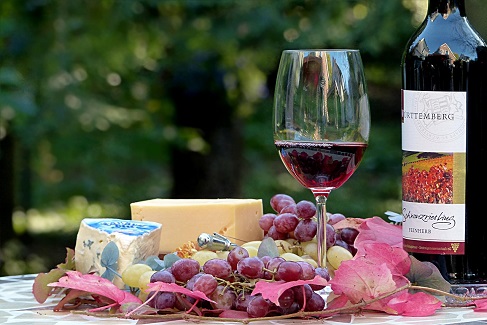
When sunlight glints off the steep vineyard slopes lining the Mosel River, where vines cling to slate-rich terraces at impossible angles, you witness German wine culture at its most dramatic – a tradition that has transformed challenging geography and cool climate into viticultural virtue. Germany’s wine culture represents two thousand years of adaptation, innovation, and passionate dedication to a grape that many consider the country’s greatest viticultural achievement: Riesling. Yet German wine encompasses far more than this noble variety, embracing a diverse landscape of wine regions, grape varieties, traditions, and evolving practices that make it one of Europe’s most fascinating wine cultures.
Understanding German wine requires looking beyond stereotypes of sweet white wines in blue bottles – though these certainly exist – to discover a sophisticated wine culture that prizes terroir expression, geological diversity, and the delicate balance between fruit and acidity that cool-climate viticulture achieves. From the festival traditions that celebrate harvest and community to the Prädikat quality system that classifies wines by ripeness, from ancient monastic cellars to contemporary biodynamic vineyards, German wine culture offers layers of complexity that reward exploration and challenge assumptions about what German wine means.
Historical Foundations: Two Millennia of German Viticulture
German wine culture’s roots extend to Roman times, when legions introduced viticulture to territories along the Rhine and Mosel rivers around 2,000 years ago. The Romans recognized that these river valleys, despite their northern latitude, created microclimates where grapes could ripen, particularly on south-facing slopes that captured maximum sunlight and benefited from rivers’ moderating thermal influence.
After Roman withdrawal, medieval monasteries became viticulture’s primary guardians and innovators. Cistercian and Benedictine monks cultivated vineyards, developed viticultural techniques, and created classification systems that recognized how specific sites produced distinctive wines. The famous Steinberg vineyard in the Rheingau, still producing exceptional wines today, was established by Cistercian monks in the 12th century. These monastic vintners pioneered the understanding that German wines’ quality depended not just on grape variety but on precise vineyard location, soil composition, and microclimate – the concept of terroir that remains central to German wine culture.
Medieval Germany became one of Europe’s largest wine producers, with vineyards extending far beyond today’s wine regions. However, the climate cooling of the Little Ice Age (roughly 14th-19th centuries) pushed viticulture’s northern limits southward, concentrating production in the warmest, most protected sites – primarily the river valleys where German wine regions remain concentrated today. This climatic constraint shaped German wine culture fundamentally, creating focus on sites capable of ripening grapes in marginal conditions and developing varieties that could succeed in cool climates.
The development of Riesling as Germany’s signature grape occurred during this period, though its exact origins remain uncertain. By the 15th century, Riesling was documented in German vineyards, and its particular suitability for German conditions – late ripening, high acidity, ability to express terroir, and capacity to produce everything from bone-dry to lusciously sweet wines – gradually established it as the premier German variety.
The Wine Regions: A Geography of Diversity
Germany’s 13 designated wine regions (Anbaugebiete) create a diverse viticultural landscape where geography, geology, and climate combine to produce distinctive regional characters. While these regions span from the southwestern Baden region near the Swiss border to Saale-Unstrut in the east, several stand out for their historical importance, wine quality, and cultural significance.
The Mosel Valley represents perhaps German wine’s most iconic region, where the Mosel River winds through steep-sided valleys creating dramatic vineyard landscapes. The vertiginous slopes – some exceeding 60-degree angles – require hand harvesting and heroic viticulture, but produce ethereally elegant Rieslings whose mineral character reflects the region’s distinctive slate soils. The Mosel’s wines achieve remarkable intensity and precision despite relatively low alcohol levels, embodying the German ideal of wine as expressing place rather than power.
The Rheingau, though small, holds enormous prestige as the birthplace of many German wine traditions. This region’s south-facing slopes along the Rhine River create ideal conditions for noble varieties, particularly Riesling. Historic estates like Schloss Johannisberg (the world’s oldest Riesling estate, dating to 1720) and Kloster Eberbach (the former Cistercian monastery) anchor a region whose wines balance fruit ripeness with refreshing acidity. The Rheingau also claims to be where spätlese (late harvest) wine was accidentally invented in 1775 when harvest authorization arrived late, forcing grapes to hang longer and achieving unexpected concentration and sweetness.
The Pfalz (Palatinate) enjoys Germany’s warmest, driest climate, allowing production of fuller-bodied wines alongside traditional styles. This region has become a center for Germany’s wine renaissance, with innovative vintners experimenting with Burgundian varieties (Pinot Noir and Pinot Blanc), biodynamic viticulture, and contemporary dry wine styles while honoring traditional quality. The Pfalz’s diverse geology – volcanic soils, limestone, sandstone – creates remarkable terroir diversity within a single region.
Rheinhessen, Germany’s largest wine region, produces enormous volumes while also harboring quality-focused estates making exceptional wines. This region’s varied topography and soils support diverse grape varieties and styles, from mass-market wines to terroir-driven expressions from specific vineyard sites.
Baden, Germany’s southernmost region, stretches along the Rhine River across from France’s Alsace, sharing similar warm climate and producing fuller-bodied wines that differ markedly from northern German styles. Baden specializes in Pinot Noir (Spätburgunder), producing some of Germany’s finest red wines alongside substantial white wines from Grauburgunder (Pinot Gris).
The smaller regions – Nahe, Ahr, Mittelrhein, Franken, Württemberg, Saale-Unstrut, and Sachsen – each contribute distinctive wines and traditions, demonstrating German viticulture’s geographic diversity and regional pride.
Grape Varieties: Beyond Riesling
While Riesling rightfully dominates discussions of German wine, accounting for about 23% of vineyard plantings, German viticulture encompasses diverse varieties that reflect both tradition and evolution.
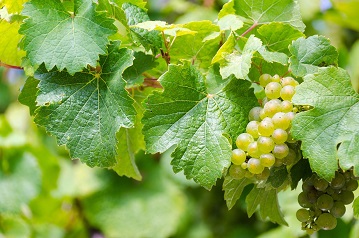
Riesling remains the undisputed king of German grapes, capable of producing everything from crisp, mineral-driven dry wines to opulent sweet wines of extraordinary longevity. Riesling’s high natural acidity preserves freshness even in sweet styles, while its ability to express terroir means that wines from different regions, vineyards, or even specific parcels show distinctive characters. The variety’s late ripening allows extended hang time that develops complexity while maintaining acidity, and its susceptibility to noble rot (botrytis cinerea) enables production of world-class sweet wines.
Müller-Thurgau, a crossing of Riesling and Madeleine Royale developed in the late 19th century, became Germany’s most planted variety by the mid-20th century due to its early ripening and reliable yields. While often associated with simple, commercial wines, quality-focused producers demonstrate this variety can produce charming, aromatic wines with gentle character.
![Spätburgunder translates as late [ripening] Burgundian](https://germanculture.com.ua/wp-content/uploads/2026/03/Spatburgunder.jpg)
Spätburgunder (Pinot Noir) represents Germany’s most important red grape, with plantings concentrated in Baden, the Pfalz, and the Ahr valley. German Spätburgunder has evolved dramatically, moving from light, sweet styles toward serious, dry reds that can compete with fine Burgundy. The best examples show elegant fruit, fine tannins, and distinctive terroir expression that honors both Burgundian tradition and German identity.
Silvaner once dominated German vineyards but declined as Riesling and Müller-Thurgau gained favor. Recent decades have seen Silvaner renaissance, particularly in Franken, where the variety produces earthy, savory wines of considerable complexity and food-friendliness. Silvaner’s subtle character requires careful viticulture and winemaking but rewards attention with wines of remarkable depth and aging potential.
Grauburgunder and Weissburgunder (Pinot Gris and Pinot Blanc) have gained popularity as German wine culture embraces drier styles and seeks alternatives to ubiquitous Riesling. These Burgundian varieties produce substantial white wines ranging from crisp and mineral to rich and textured, particularly successful in warmer regions like Baden and the Pfalz.
The Prädikat System: Understanding German Wine Classification
Germany’s wine classification system, while complex, reflects the culture’s historical emphasis on ripeness as the primary quality indicator. The Prädikatswein category, representing quality wines, includes six levels based on the must weight (sugar content) of grapes at harvest:
Kabinett represents the entry level, made from fully ripened grapes and typically light-bodied with moderate alcohol. These wines can be dry or off-dry and showcase variety character and terroir with elegant restraint.
Spätlese (late harvest) comes from grapes picked after normal harvest, allowing additional ripening. These wines show more concentration and can range from dry to sweet, with dry Spätlese representing some of Germany’s finest expressions.
Auslese (selected harvest) uses selected bunches of very ripe grapes, sometimes affected by noble rot. Auslese wines show considerable richness and complexity, typically sweet but balanced by Riesling’s natural acidity.
Beerenauslese (berry selection) requires individually selected overripe grapes, often botrytized. These rare, expensive wines offer intense sweetness, complexity, and nearly unlimited aging potential.
Trockenbeerenauslese (dried berry selection) represents the pinnacle, made from individually selected grapes shriveled by noble rot. These extraordinarily concentrated, sweet wines rank among the world’s greatest dessert wines.
Eiswein (ice wine) requires grapes frozen on the vine, harvested and pressed while frozen to concentrate sugars and acids. This rare category produces wines of remarkable purity and intensity.
This classification system, while historically important, has faced criticism for emphasizing sweetness over terroir and style diversity. Contemporary German wine culture increasingly emphasizes dry wines (Trocken) and specific vineyard sites (Einzellagen), moving toward Burgundian models that privilege place over ripeness.
Wine Festivals and Social Traditions
German wine culture finds joyful public expression through numerous wine festivals that celebrate harvest, community, and regional identity. These festivals range from intimate village celebrations to massive public events attracting hundreds of thousands of visitors.
Weinlesefest (wine harvest festivals) occur throughout wine regions during autumn harvest, celebrating the year’s vintage with wine tastings, traditional food, music, and communal festivities. These events connect contemporary communities to centuries of viticultural tradition, marking the seasonal rhythm that structures wine-growing regions’ lives.
The Wurstmarkt in Bad Dürkheim, the world’s largest wine festival, attracts over 600,000 visitors annually for nine days of wine tasting, carnival rides, and celebration. Despite its name (sausage market), wine dominates this massive event that showcases Pfalz wines alongside traditional German festival culture.
Weinfeste (wine festivals) occur throughout summer and fall across wine regions, each celebrating local wines, traditions, and community identity. These festivals create opportunities for producers to sell wine directly to consumers, for communities to gather and celebrate shared heritage, and for visitors to experience German wine culture’s social dimensions.
The tradition of Heurigen or Straußwirtschaft – temporary taverns where vintners sell their wine alongside simple food for limited periods – represents another important social tradition. These informal establishments create intimate settings for experiencing wine in producers’ own spaces, often in vineyards or wine cellars, emphasizing direct connection between wine, place, and people.
The German Wine Renaissance
Contemporary German wine culture is experiencing a renaissance that’s transforming perceptions both domestically and internationally. This revival reflects generational change, evolving consumer preferences, and determination to reclaim German wine’s prestigious reputation.
The shift toward dry wines (Trocken) represents perhaps the most significant change. While Germany remains capable of producing the world’s finest sweet Rieslings, domestic and international markets increasingly favor dry styles. Young German vintners have embraced this trend, producing sophisticated dry wines that pair beautifully with contemporary cuisine while maintaining the elegance and terroir expression that define German wine.
Quality-focused producers have organized into associations like VDP (Verband Deutscher Prädikatsweingüter), which emphasizes terroir-driven winemaking, strict quality standards, and vineyard classification systems that highlight specific sites’ unique characters. This movement toward Burgundian models – emphasizing place, dry wines, and long-term quality over mass production – has elevated German wine’s international standing.
Biodynamic and organic viticulture has gained substantial traction in German wine regions, with numerous prestigious estates converting to sustainable practices. This emphasis on environmental stewardship, soil health, and minimal intervention reflects broader cultural values while producing wines that express terroir with increasing purity and precision.
A Culture Worth Discovering
German wine culture rewards curiosity and challenges preconceptions. Beyond the stereotypes of sweet white wines lie sophisticated terroir-driven Rieslings, elegant Pinot Noirs, and diverse regional styles that express Germany’s viticultural complexity. The culture’s deep historical roots, festival traditions, evolving practices, and passionate commitment to quality create a wine world as compelling as any in Europe.
For those willing to explore beyond familiar categories, German wine offers extraordinary value, distinctive flavors, and the satisfaction of discovering a culture that has spent two millennia learning how to coax greatness from challenging conditions. Whether sipping a crystalline Mosel Riesling, savoring a sophisticated Baden Spätburgunder, or attending a village wine festival, engaging with German wine culture means connecting to tradition, place, and the enduring human impulse to transform grapes into something transcendent.
Prost!
Related articles:
Liebfraumilch Wine
German Wine Label Guide
German Eiswein
Roots of German Winemaking
German Wines
German Prädikatswein System