


Lent in Germany is a season that invites the country to take a long, thoughtful breath. It sits between the exuberant chaos of Carnival and the joyful renewal of Easter, offering a period of reflection, ritual, and subtle cultural rhythms. Yet for all its reputation as a “quiet” season, Lent in Germany is anything but dull. It is filled with surprising traditions, symbolic meals, old folk stories, and regional customs that show how Germans navigate the delicate balance between indulgence and restraint.
To understand Lent in Germany is to understand a season that has shaped the country’s culinary landscape, religious calendar, and cultural habits for centuries. It is a time when tables change, communities reflect, and ancient rhythms quietly influence modern life.
The Silence After the Storm: Lent Begins Where Carnival Ends
To appreciate Lent, one must first appreciate the dramatic contrast that precedes it.
Germany enters Lent directly after carnival season – weeks of costumes, parades, satire, and joyful disorder. Carnival ends on Shrove Tuesday (Fastnacht, Fasching, Karneval depending on the region), a day traditionally filled with heavy foods, wild celebration, and the symbolic “last hurrah” before fasting begins.
Then comes Ash Wednesday. The music falls silent. The confetti is swept away. Costumes disappear. Church bells keep a more solemn tone.
In Catholic regions, priests mark foreheads with ashes as they say, “Remember that you are dust, and to dust you shall return.” Protestant regions do not always observe the ritual physically, but the mood shift is unmistakable. Germans often joke that Lent is the country’s cultural reset button – the moment life returns to order after weeks of sanctioned chaos.
This contrast gives Lent its unique flavor in Germany: it is not simply a religious season, but an emotional rebalancing.
What Lent Means in Germany Today
Lent – or Fastenzeit – traditionally lasts forty days, beginning on Ash Wednesday and ending on Holy Saturday. Historically, it was a strict period of fasting, prayer, and repentance. Today, while fewer Germans observe Lent strictly in the religious sense, many continue to follow the season’s spirit through personal restraint, reflection, or modern “fasting” habits such as abstaining from sweets, alcohol, meat, social media, or unnecessary spending.
In Germany, Lent is less about guilt and more about intentional living. People treat it as a time to simplify, refocus, and regain balance. Even those who do not consider themselves religious may participate in some form of voluntary abstinence.
A national survey often shows that each year, millions of Germans choose a Lenten “project” – something they will reduce or avoid for the season. Alcohol and sweets are the most common choices. Digital fasting is increasingly popular as well, with many people logging off social media for forty days. The appeal lies not in sacrifice but in clarity: Lent becomes a chance to examine habits and reset priorities.
This modern interpretation sits comfortably beside the older religious traditions, offering a season that is both personal and communal.
Historical Roots: How Lent Shaped German Culture
The history of Lent in Germany stretches back to the earliest centuries of Christianity. Monastic culture played a major role in shaping fasting customs. Medieval monasteries in Bavaria, Swabia, and Franconia developed fasting rules that would later influence regional cooking and brewing traditions.
Meat was prohibited for most of Lent. Eggs and dairy were sometimes restricted. Alcohol consumption was limited by region and rule – but this is where Germany’s creativity shines. Benedictine and Franciscan monks began brewing stronger, more nutritious beers specifically designed to sustain them during Lent. These “liquid breads” evolved into the legendary Starkbier, still brewed today.
Fasting also helped build Germany’s culinary identity. Many Lenten dishes – simple vegetable soups, fish-based meals, and dough-based staples – survived long after mandatory fasting ended. They became markers of the season, comforting reminders of continuity across generations.
Lent also shaped social behaviour. Markets slowed. Weddings were avoided. Public celebrations disappeared. Certain types of music were discouraged. The season taught communities the value of rhythm – the idea that the year should have peaks and valleys, feasts and fasts, tumult and tranquility.
Even today, the echoes of these medieval rhythms give Lent its quietly powerful place in the German calendar.
Ash Wednesday: The Doorway to Lent

Ash Wednesday marks the beginning of Lent and carries distinctive traditions across Germany.
The Ash Cross Ritual
In Catholic regions such as Bavaria, the Rhineland, and parts of Baden-Württemberg, people attend morning or evening services to receive ashes on their foreheads. The gesture is solemn but not gloomy. It symbolizes humility, reflection, and the recognition of life’s transience.
Many Germans also appreciate the ritual as a symbolic reset – a chance to begin fresh after Carnival’s excesses.
Herring Meals
Ash Wednesday is also celebrated at the table. Because meat is traditionally avoided, many families eat fish, especially herring. Restaurants and breweries host special menus featuring Bismarck herring, pickled fish, or herring salads with apples and onions. These dishes connect modern diners to centuries of Lenten cooking.
The “Chasing Away” of Carnival
In certain areas, Ash Wednesday brings playful customs meant to symbolically “bury” Carnival. People burn straw figures or masks, sweep village streets, or hold mock funerals for “Prince Carnival.” This blend of humor and symbolism reflects the German cultural habit of acknowledging seasonal transitions with ritual performance.
Bavarian Starkbierzeit: The Most Surprising Lenten Tradition

If Lent conjures images of quiet sacrifice, Bavaria is ready to challenge expectations. Every year, Munich and surrounding regions celebrate Starkbierzeit – the Strong Beer Season – an observance born in monastic fasting tradition.
Centuries ago, monks brewing beer for Lent needed a beverage that would keep them nourished while fasting. They created doppelbocks, strong, malty beers with high caloric content. These beers were consumed as substitutes for solid food. Over time, Starkbier became so beloved that it developed its own festival season.
Today, during Lent, breweries such as Paulaner, Augustiner, and Löwenbräu release their special Starkbier varieties. Beer halls host lively gatherings featuring music, hearty Lenten dishes, and political satire performances known as Derblecken – where politicians are roasted with good humor.
Starkbierzeit demonstrates how Germany blends discipline with delight. It is a reminder that Lent is not simply about deprivation but about seasonal rhythm – and sometimes, about creative loopholes.
Lenten Foods Across Germany
German Lent has its own culinary landscape. It may not be as indulgent as Christmas or Easter, but it reveals the country’s talent for making even simple dishes meaningful.
Fish Dishes
Fish becomes the centrepiece of Lenten meals. In northern Germany, herring and cod dominate. In the south, trout, carp, and pike are common. Families enjoy fried, baked, or pickled dishes depending on regional taste.
Lenten Soups
Vegetable soups are a quintessential Lenten dish. Lentil soup, potato soup, and carrot-based soups appear frequently. Soups symbolize simplicity and nourishment – a return to essentials.
Bread Traditions
Many bakeries produce special Lenten breads: Fastenbrot, dark rye loaves, pretzels, or modest rolls. In parts of Germany, people still bake Lenten pastries without butter or sugar, continuing a monastic-inspired custom.
Doughnuts Before Fasting
In some regions, especially around Cologne and Mainz, leftover doughnuts from Carnival are eaten on the first days of Lent – a playful overlap between indulgence and restraint.
The Fasting Plate
In Swabia, Franconia, and Alsace, the tradition of the “fasting plate” persists. Restaurants serve modest meals of noodles, vegetables, or fish arranged neatly on a plate decorated with edible symbols of Lent.
Lenten cuisine may be simple, but it carries centuries of meaning.
Sunday Exemptions: The Gentle Loophole
One of the quirks of Lent is that Sundays do not count toward the forty fasting days. Historically, this meant the faithful could enjoy small indulgences. Today, many Germans still treat Sundays as “free days,” even if they are not strict observers of Lent.
This gentle loophole adds balance to the season, ensuring that restraint never feels punitive. It represents the pragmatic side of German culture: even fasting must have structure and moderation.
Folk Rituals and Local Customs
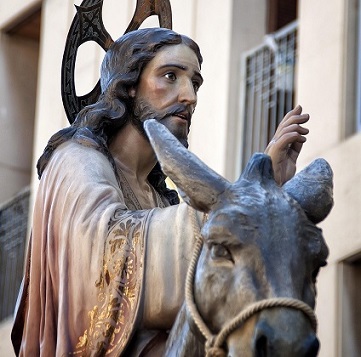
Germany’s regional diversity is particularly evident during Lent. Several remarkable customs have survived into the modern age.
Palmesel Processions
In parts of Bavaria and Austria-adjacent regions, wooden donkeys known as Palmesel are carried through villages on Palm Sunday. Historically, the figure represented Christ’s entry into Jerusalem. Today the ritual blends religious meaning with local pride and craftsmanship.
Easter Fountain Decoration
In Franconia, villages decorate public fountains with garlands of evergreens and painted eggs during the final week of Lent. This custom, known as Osterbrunnen, transforms ordinary town squares into colourful displays. It symbolises the return of life and water – essential themes of spring.
Lenten Veils
In some Catholic regions, churches cover crosses and religious images with purple cloths throughout Lent. These veils create anticipation and enhance the emotional impact of Easter when they are removed.
Passion Plays and Processions
Bavaria, particularly Oberammergau, is famous for its passion plays – elaborate theatrical reenactments of the final days of Christ. While the most famous play occurs every ten years, smaller versions happen throughout Lent in various towns.
These customs highlight how deeply Lent is woven into local cultural identity.
The Modern German Approach to Lent
While fewer Germans observe Lent strictly in the religious sense, the season remains culturally alive. Its values – reflection, pause, balance – resonate with modern lifestyles.
Many people use Lent as an opportunity for personal challenges. Popular modern Lenten practices include:
- digital fasting, avoiding social media or streaming
- avoiding unhealthy food
- reducing alcohol consumption
- minimizing waste
- avoiding shopping
- walking daily
- keeping gratitude journals
- observing moments of quiet or meditation
Media campaigns sometimes encourage collective action, such as “Car-Free Lent” or “Climate Fasting,” reflecting Germany’s engagement with environmental and social issues.
Lent becomes a cultural laboratory – a place where tradition meets contemporary self-reflection.
Palm Sunday: The Opening of Holy Week
Lent enters its final phase with Palm Sunday, marking Jesus’ entry into Jerusalem. German traditions for this day vary widely.
In many Catholic regions, church processions involve children carrying decorated palm sticks. Because real palms are scarce in Germany, the “palms” are crafted from boxwood, willow, or hazel branches. They are adorned with ribbons, pretzels, and occasionally apples or brightly colored paper.
Protestant regions follow simpler customs, focusing on scripture readings, hymns, and contemplation. Regardless of region, Palm Sunday signals that Easter is near – and that Lent is drawing to a meaningful close.
Holy Week: Germany’s Quietest Days
The final days of Lent – from Maundy Thursday to Holy Saturday – are among the most solemn of the year.
- Maundy Thursday emphasizes humility and the Last Supper. Many churches ring their bells for the last time until Easter.
- Good Friday is one of Germany’s most significant public holidays. It is observed with stillness; entertainment venues often restrict music and dancing. Families spend the day quietly, reflecting or attending church services.
- Holy Saturday is reserved for preparation, whether through cooking, decorating, or taking part in local customs like Easter bonfires.
These days encapsulate the contemplative spirit of Lent – a deep cultural pause before the burst of joy that is Easter.
Lent in Germany is a season woven from subtlety, meaning, and cultural continuity. It invites the country to slow down, reflect, and rediscover the rhythms that make life meaningful.
It is the silence after Carnival’s storm, the thoughtful pause before Easter’s joy, and a reminder that traditions evolve not by staying frozen in time, but by adapting to the needs of each generation.
Whether through ancient rituals, contemporary fasting trends, symbolic foods, or regional customs, Lent continues to shape the German spring in ways both gentle and profound.
Related articles: