

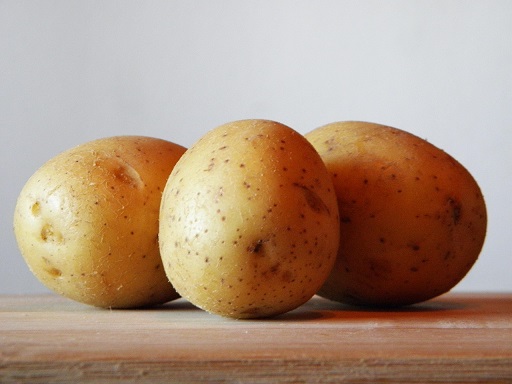
Few foods are as intrinsically linked to a nation’s identity as the potato is to Germany. Walk through any German city and you’ll encounter potatoes in countless forms – crispy Bratkartoffeln sizzling in restaurant pans, steaming Kartoffelklöße accompanying Sunday roasts, golden Kartoffelpuffer served at Christmas markets, and humble boiled potatoes gracing everyday dinner tables. The potato has become so thoroughly integrated into German life that many Germans would be surprised to learn their ancestors didn’t taste this New World import until the 18th century. Today, Germans consume approximately 60 kilograms of potatoes per person annually, and the language contains over 200 words for different potato varieties, preparations, and dishes.
The story of potatoes in German culture is far more than culinary history – it’s a narrative about survival and innovation, about how a foreign food became the foundation of national cuisine, and about the complex relationship between agriculture, politics, and cultural identity. Understanding the potato’s journey from suspicious foreign curiosity to beloved national staple reveals essential truths about German pragmatism, resilience, and the ways communities adapt to change while creating new traditions.
Potatoes Arrive in Germany
The potato did not originate in Europe. It was brought from South America in the 16th century, following Spanish expeditions to the Andes. Like many new foods from the Americas, it was met with suspicion. Early Germans distrusted the potato because it was not mentioned in the Bible, grew underground, and looked unfamiliar.
Potatoes arrived in German territories during the late 16th and early 17th centuries, initially cultivated in botanical gardens as exotic curiosities rather than food crops. The plant’s small, colorful flowers attracted attention from botanists and aristocratic garden enthusiasts, but few Germans considered eating the underground tubers. Multiple factors contributed to this resistance: potatoes weren’t mentioned in the Bible, making some religious Germans suspicious of their divine approval; the tubers grew underground, which seemed somehow unnatural or even diabolical to superstitious peasants; and early potato varieties sometimes produced toxic green tubers when exposed to light, causing illness that reinforced fears about the plant’s safety.
For decades, potatoes were grown mainly as botanical curiosities or animal feed. Many peasants preferred traditional grains such as rye and barley and saw no reason to replace them with an unknown crop. The breakthrough came not through enthusiasm, but necessity.
Famine, War, and the Rise of the Potato
Repeated crop failures and food shortages in the 17th and 18th centuries forced German states to reconsider their resistance to potatoes. Grain crops were vulnerable to weather and warfare, while potatoes were hardy, reliable, and produced high yields even in poor soil.
The potato could grow in regions where wheat struggled. It also provided far more calories per hectare than most grains. Slowly, the logic became impossible to ignore. Potatoes offered food security in a time when hunger was a constant threat.
Nowhere was this transformation more deliberate than in Prussia.
Frederick the Great and the Potato Revolution
Frederick II of Prussia, later known as Frederick the Great, played a decisive role in embedding potatoes in German culture. Recognizing their value as a famine-resistant crop, he ordered peasants to grow potatoes in the mid-18th century.
The most famous potato promotion legend involves Frederick planting royal potato fields and posting guards to protect them. The guards were secretly ordered to be lax in their duties, allowing peasants to “steal” the precious royal potatoes. The psychology was clever: if potatoes were valuable enough for the king to guard them, they must be desirable, and the thrill of theft made peasants eager to obtain and plant what they’d previously rejected. Whether or not this specific story is true, it captures the creative approaches Frederick employed to overcome cultural resistance.
Frederick also distributed free potato seeds, provided cultivation instructions, and sponsored public demonstrations of potato planting and cooking. He appeared at public events eating potatoes, using royal endorsement to counter fears about safety and desirability. These efforts gradually achieved results – Prussian potato cultivation expanded significantly during Frederick’s reign, establishing foundations for the crop’s eventual dominance in German agriculture.
Whether the story is entirely true or partly myth, the result is undeniable. Potatoes spread rapidly across Prussia and beyond, becoming a staple food for the rural population. Today, statues of Frederick the Great are often decorated with potatoes in quiet tribute.
Potatoes and German Agricultural Life
As potatoes became widespread, they changed German agriculture fundamentally. Farmers were no longer dependent on a single grain harvest. Crop rotation systems improved, soil health benefited, and rural diets became more stable.
Potatoes allowed cultivation of land previously considered too poor for agriculture. Sandy soils, marginal fields, and areas unsuitable for grain suddenly became productive, expanding the agricultural land base without requiring expensive improvements. This was particularly important in regions like Brandenburg and parts of Bavaria where soil quality limited grain production. Farmers could now utilize their entire land holdings productively, increasing output without expanding farm size.
Potatoes also supported population growth. With more reliable access to calories, fewer people starved during bad harvest years. This demographic stability contributed to economic growth and urbanization in the 19th century.
Potatoes in German Cuisine: From Simple to Sophisticated
The integration of potatoes into German cuisine created one of Europe’s most distinctive food cultures, with regional variations reflecting local tastes, available ingredients, and culinary traditions. Today’s German potato dishes range from rustic peasant foods to refined haute cuisine, all built on the humble tuber’s versatility.
Boiled Potatoes (Salzkartoffeln/Pellkartoffeln) represent the foundation of German potato cuisine. These simple preparations appear at virtually every traditional German meal, serving as the starchy accompaniment to meat, fish, and vegetables. The apparent simplicity masks considerable skill; properly cooked potatoes should be tender but not mushy, with just enough salt to enhance their natural flavor. Different potato varieties are preferred for different preparations – waxy potatoes for salads and whole boiled preparations, floury potatoes for mashing and dumplings.
Potato Dumplings (Kartoffelklöße) showcase regional variation in German potato cuisine. Bavarian Semmelknödel incorporate bread, while Thuringian Kartoffelklöße use both raw and cooked potatoes in specific ratios that create distinctive texture. These dumplings require skill to prepare properly – the correct potato variety, precise moisture content, and proper forming technique all affect the final result. Klöße accompany roasts and game dishes, soaking up gravies and sauces while providing substantial starch to balance rich meats.
Potato Pancakes (Kartoffelpuffer/Reibekuchen) appear throughout German-speaking regions under various names. Grated raw potatoes mixed with egg, flour, and onion, then fried until crispy, create savory pancakes served with applesauce, smoked salmon, or simply sour cream. These pancakes appear at Christmas markets, as everyday meals, and as special occasion foods. Regional variations adjust ratios, add ingredients, or change preparation methods, but the fundamental combination of grated potato and crispy frying remains constant.
Fried Potatoes (Bratkartoffeln) transform leftover boiled potatoes into crispy, savory dishes. Sliced potatoes fried with onions and often bacon create a beloved accompaniment to eggs, meat, or served alone as a simple meal. The key to excellent Bratkartoffeln is using properly cooked potatoes that have cooled completely, allowing them to firm up before frying. The result should be crispy exterior with creamy interior, enhanced by caramelized onions and rendered fat’s savory depth.
Potato Salad (Kartoffelsalfel) demonstrates dramatic regional variation. Northern German potato salad typically uses mayonnaise-based dressing with pickles and sometimes apples, creating a creamy, sweet-sour preparation. Southern German versions, particularly Swabian and Bavarian, use vinegar and oil dressing, often incorporating beef broth, onions, and mustard for a warm salad that accompanies sausages perfectly. These regional differences inspire passionate loyalty – Germans from different regions often insist their local version is the only “authentic” potato salad.
Mashed Potatoes (Kartoffelpüree/Stampfkartoffeln) appear in both home cooking and restaurant dining. The preparation can be simple or elaborate, incorporating cream, nutmeg, and careful whipping for cloud-like texture. Regional variations include Himmel und Erde (“heaven and earth”), a Rhineland dish combining mashed potatoes with apple sauce and blood sausage, representing the combination of foods from above ground (apples/heaven) and below (potatoes/earth).
Potato Soup (Kartoffelsuppe) ranges from simple peasant soups to refined preparations. Basic versions combine potatoes, onions, and broth, pureed smooth or left chunky. Elaborate versions add cream, vegetables, sausage, or bacon. The soup represents comfort food at its finest – warming, filling, and economical. Many German families have treasured recipes passed through generations, each claiming their version superior.
Regional Specialties demonstrate potato cuisine’s diversity. Bavarian potato noodles (Schupfnudeln) create finger-shaped dumplings served sweet or savory. Saxon potato soup (Sächsische Kartoffelsuppe) incorporates distinctive regional seasonings. Swabian Maultaschen sometimes include potato filling. These regional variations reflect local agricultural traditions, available ingredients, and cultural preferences that developed as potatoes integrated into existing culinary frameworks.
Potatoes, Language, and Identity
The cultural importance of potatoes is reflected in the German language. The word Kartoffel itself has inspired countless nicknames, jokes, and expressions. Germans are sometimes humorously referred to as Kartoffeln by outsiders, a stereotype that has been reappropriated by some as a symbol of down-to-earth national character.
Potatoes represent simplicity, reliability, and resilience. These qualities align closely with how Germans often like to see themselves. Not flashy, not extravagant, but solid and dependable.
Even debates about how potatoes should be prepared can become surprisingly emotional, especially when it comes to potato salad. Vinegar or mayonnaise is not just a culinary choice. It is a regional identity marker.
Potatoes in Modern Germany
Despite globalization and changing diets, potatoes remain a central part of German cuisine. Consumption has declined slightly as rice and pasta have become more common, but potatoes still hold a special place.
Modern German chefs reinterpret traditional potato dishes with new techniques, while home cooks continue to rely on them as trusted staples. Organic farming, regional sourcing, and heritage potato varieties have renewed interest in the ingredient.
Contemporary German chefs have elevated potato cuisine to haute gastronomy. Starred restaurants feature elaborate potato preparations – potato foam, potato tuiles, deconstructed potato salads, potatoes prepared with molecular gastronomy techniques. These innovations demonstrate that potatoes remain culturally relevant enough to deserve serious culinary attention and that their versatility continues inspiring creative cooking.
Potatoes have also adapted to modern lifestyles. Frozen potato products, ready-made salads, and street food variations ensure their survival in fast-paced urban life.
More Than Just a Side Dish
The potato’s journey from suspicious foreign curiosity to beloved German staple represents one of food history’s most remarkable transformations. What began as deliberate government policy to improve food security evolved into deep cultural integration that made potatoes inseparable from German identity, cuisine, and cultural consciousness.
The story of potatoes in German culture is not about a single food item, but about survival, adaptation, and identity. Potatoes helped Germany weather famine, supported population growth, and shaped regional cuisines that still define the country today.
They remind us that cultural icons do not always arrive with ceremony or prestige. Sometimes they grow quietly underground, waiting for history to recognize their importance.
The story of potatoes in German culture ultimately reminds us that cultural traditions are made, not merely inherited, that foods can become powerful identity markers even when relatively recently adopted, and that the humble vegetables we take for granted often carry histories as complex and fascinating as any cultural artifact.
Related Articles:
Traditional German Potato Dishes You Should Know
The Role of Potatoes in German Cuisine
German Potato Soup Recipe (Kartoffelsuppe)
Brägele – Fried Potatoes
Schupfnudeln – German Potato Dumplings
Kartoffelpuffer (German Potato Pancakes)
German-Style Fried Potatoes (Bratkartoffeln)
Crispy German Potato Pancakes (Kartoffelpuffer)
Frederick the Great and the Potato