

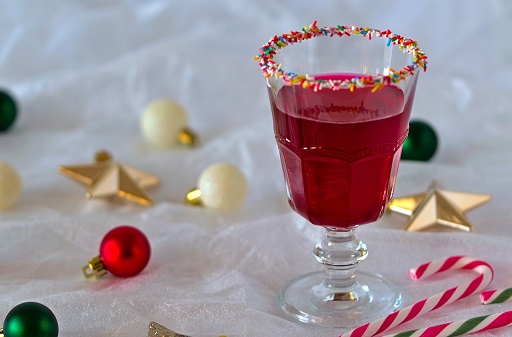
Few winter drinks evoke the magic of German Christmas markets as instantly as Kinderpunsch. This fragrant, ruby-red punch fills the air with the scent of oranges, cloves, cinnamon, and warming spices. Served steaming hot, it’s the non-alcoholic counterpart to Glühwein – and for many families, it’s the taste of childhood winters.
Whether you’ve wandered through a Christkindlmarkt in Munich or Leipzig, stopped at a wooden stall glowing with fairy lights, or simply curled up at home on a snowy evening, Kinderpunsch offers comfort in a cup. It is sweet, fruity, aromatic, and gently spiced – a drink designed to warm hands and hearts.
Despite the “kinder” in its name, meaning “children,” Kinderpunsch is beloved by all ages. Adults enjoy it as a cozy alternative to mulled wine, while children relish the festive feeling of sipping a special hot drink during Advent. Best of all, it’s simple to make at home using wholesome ingredients you likely already have in your kitchen.
The Origins of Kinderpunsch
While Glühwein – Germany’s iconic mulled wine – has been enjoyed since the Middle Ages, Kinderpunsch is a more modern creation that emerged as a family-friendly alternative. As Christmas markets grew in popularity in the 20th century, vendors sought ways to include younger visitors and those who preferred alcohol-free beverages.
Kinderpunsch quickly became the answer. It combined classic mulled wine spices with fruit juices instead of wine, creating a drink that was just as comforting, festive, and aromatic but accessible to everyone. Its rise in popularity was helped by German families who wanted a special holiday beverage to enjoy together, particularly during Advent evenings, St. Nicholas Day, and Heiligabend (Christmas Eve).
Today, Kinderpunsch is a staple across German, Austrian, and Swiss Christmas markets. Special decorative mugs are created every year, and Kinderpunsch is often served in the same charming ceramic cups as Glühwein – only with a different color to help differentiate.
Many regional variations exist:
- Some versions rely heavily on spiced tea.
- Others include cherry, elderberry, or black currant juice for depth.
- Some families prepare a milder, citrus-forward version for young children.
Yet all variations share the same purpose: to bring warmth, joy, and togetherness during the cold winter season.
For more holiday traditions, explore German Christmas Recipes.
Ingredients for Authentic Kinderpunsch
The beauty of Kinderpunsch lies in its adaptability. Still, traditional German recipes rely on a handful of core ingredients that create the perfect balance of fruitiness, sweetness, and winter spice.
Ingredients (serves 6-8):
- 1 liter (4 cups) apple juice
- 500 ml (2 cups) black currant juice, cherry juice, or grape juice
- 300 ml (1 ¼ cups) orange juice
- 1-2 oranges, sliced
- 1 lemon, sliced
- 2 cinnamon sticks
- 5 whole cloves
- 2-3 star anise
- 1 small piece of fresh ginger (about 2 cm), peeled and sliced
- 1-2 tbsp honey or sugar (optional, depending on sweetness)
Optional Additions:
- 1-2 bags of black tea or fruit tea (for extra depth)
- A splash of elderberry syrup (for more color and richness)
- A vanilla pod or ½ tsp vanilla extract
- 3-4 cardamom pods, lightly crushed
Ingredient Notes:
- Apple juice forms the base, offering natural sweetness and warmth when heated.
- Black currant or cherry juice gives Kinderpunsch its deep red color and more intense fruit flavor.
- Fresh citrus brightens the drink and adds complexity.
- Spices must simmer gently – boiling them makes Kinderpunsch bitter.
How to Make Kinderpunsch (Step-by-Step Recipe)
Step 1: Combine the Juices
Pour the apple juice, currant/cherry juice, and orange juice into a large pot. Stir gently to mix. If you prefer a slightly less sweet punch, replace some apple juice with diluted fruit tea.
Step 2: Prepare the Citrus
Wash the oranges and lemon thoroughly. Slice them into rounds, removing any seeds to avoid bitterness. Add the slices directly to the pot.
Step 3: Add Spices
Place the cinnamon sticks, cloves, ginger slices, star anise, and any optional spices into the pot. If using black tea or fruit tea, hang the tea bags inside the pot, clipping them to the rim to avoid steeping too long.
Step 4: Gently Heat the Punch
Warm the mixture over medium heat until it begins to steam. Reduce the heat to low and let it simmer for 20-30 minutes. The flavors will meld beautifully during this time.
Important: Do not let the punch boil vigorously. Boiling can make citrus peel and cloves release bitterness.
Step 5: Taste and Adjust
After simmering, taste the Kinderpunsch. Add honey, sugar, or additional citrus depending on your preference. For a stronger spice profile, let the pot simmer a little longer or add more cinnamon.
Remove tea bags if used – they can turn bitter if left in too long.
Step 6: Serve Warm
Strain the punch into heatproof mugs or serve directly with slices of citrus floating inside. Decorate with a cinnamon stick or a star anise for a festive touch.
How to Serve Kinderpunsch
Kinderpunsch is best enjoyed steaming hot, ideally outdoors in frosty winter weather or indoors with candles and Christmas music. It’s a drink meant for company, togetherness, and celebration.
Traditional Serving Ideas:
- Serve in ceramic Christmas market mugs, which retain heat longer and add a festive feel.
- Garnish each cup with a cinnamon stick or orange slice.
- Prepare a large pot for guests at Advent gatherings or Christmas Eve.
Pairing Suggestions:
Kinderpunsch is wonderful with:
For a more substantial treat, pair Kinderpunsch with hearty winter dishes such as Flammkuchen, potato pancakes, or soft pretzels dipped in mustard.
Family Serving Tip:
If serving Kinderpunsch to very young children, reduce the ginger and spices and add more apple juice for a gentler flavor.
Variations and Regional Twists
Like many traditional German recipes, Kinderpunsch has evolved across regions and households. Here are a few popular variations:
1. Austrian Kinderpunsch
Often includes strong fruit tea for added richness and a deeper red color. Elderberry syrup is also a common addition.
2. Bavarian Citrus Punch
More citrus-heavy, with extra lemon juice and orange peel. This version is refreshing and bright rather than heavy.
3. Spiced Market Style
Found at Christmas markets, this version includes vanilla beans, cloves, cinnamon, and star anise in generous amounts for a bold flavor.
4. Berry Kinderpunsch
Uses blueberries, cranberries, or raspberries cooked directly into the punch, then strained for a thicker, berry-forward drink.
5. Tea-Based Kinderpunsch
A great alternative for lower sugar: uses strong fruit tea as the base instead of juices, with citrus and light spices added.
Common Mistakes to Avoid
- Boiling the punch: This causes bitterness and destroys delicate aromas. Gentle heat is key.
- Steeping tea too long: Over-steeped tea adds harshness. Remove after 5-7 minutes.
- Using too much lemon peel: Can make the drink overly tangy or bitter.
- Forgetting to taste as you go: Adjusting sweetness and spice is essential for perfect flavor.
- Skipping the simmering time: The depth of Kinderpunsch comes from slow infusion, not speed.
Kinderpunsch is more than a drink – it’s a cherished part of the German winter experience. From Christmas market stalls glowing in the cold night air to cozy living rooms filled with candlelight, this warming, aromatic punch brings people together in the most comforting way.
It’s easy to prepare, endlessly adaptable, and beloved by both children and adults. Whether you’re celebrating Advent, gathering friends for a festive meal, or simply looking for a cozy drink on a winter evening, Kinderpunsch offers warmth, nostalgia, and joy in every cup.
So gather your spices, slice your citrus, and let the aroma of your simmering pot fill your home. With this traditional Kinderpunsch recipe, you can bring the magic of the German Christmas markets right into your kitchen.
Want more German winter classics?
Explore our recipes for Vanillekipferl, Stollen, Lebkuchen, and Glühwein to complete your festive table.