

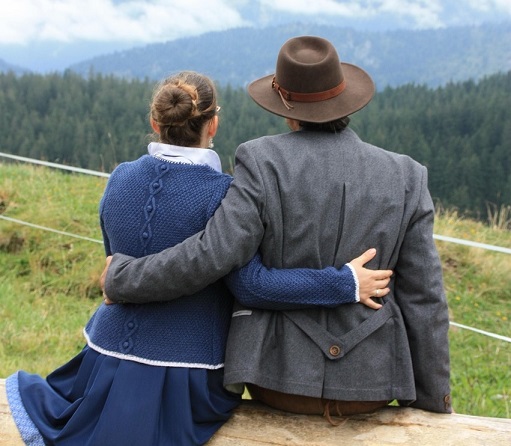
When a bride glides down the aisle in an exquisitely embroidered dirndl, her groom waiting in meticulously tailored lederhosen, they’re not simply making a fashion statement – they’re participating in a centuries-old tradition that binds them to generations of German couples who stood before them. German wedding Tracht represents one of the most meaningful ways modern couples honor their cultural heritage, transforming their special day into a celebration that transcends individual love to embrace community, family, and regional identity.
The decision to wear traditional German wedding attire is profoundly personal yet deeply communal. It announces the couple’s connection to their roots, their pride in regional traditions, and their intention to carry forward cultural practices that have survived wars, migrations, and the homogenizing forces of globalization. Unlike the relatively recent invention of the white wedding dress – popularized only in the 19th century – German wedding Tracht draws from authentic folk traditions with roots stretching back centuries.
The Historical Roots of German Wedding Tracht
The tradition of wearing special ceremonial clothing for weddings existed long before the codification of what we now recognize as German Tracht. In medieval and Renaissance Germany, weddings were significant community events where the bride and groom’s attire served multiple functions: displaying family wealth, indicating social status, and marking the transition from maiden to wife, bachelor to husband.
Unlike aristocratic weddings where brides might wear expensive gowns in various colors (white was actually associated with mourning in some periods), rural German wedding traditions centered on the finest versions of regional everyday dress. A bride typically wore her best dirndl or regional costume, distinguished from ordinary versions through superior fabrics, more elaborate embroidery, and precious accessories. This practical approach meant the wedding outfit could be worn again for other important occasions – church festivals, baptisms, and holiday celebrations.
The concept of the “Bräutlein” or little bride emerged in various German regions, referring to the special styling and adornments that transformed everyday Tracht into wedding attire. In many areas, brides wore distinctive crowns or headpieces made from metal, fabric, or flowers. The Schäppel – an elaborate crown-like headdress worn in parts of southern Germany and the Black Forest – represented one of the most spectacular German wedding Tracht traditions, featuring intricate metalwork, glass beads, and sometimes weighing several pounds.
Grooms similarly wore the finest versions of regional men’s Tracht, often featuring special embroidery, silver buttons, or distinctive accessories reserved for weddings and the most formal occasions. In some regions, the groom’s wedding lederhosen or breeches were elaborately decorated with his bride’s or future wife’s initials, intertwined hearts, or symbols of prosperity and fertility.
The Protestant Reformation and Catholic Counter-Reformation both influenced German wedding Tracht traditions. Protestant regions tended toward simpler, more modest wedding attire in darker colors, while Catholic areas maintained more colorful and elaborate traditions. These religious influences on wedding dress created distinct regional styles that persist in modern German wedding Tracht choices.
By the 18th and 19th centuries, as regional identities strengthened and folk costume traditions became increasingly codified, specific wedding Tracht styles became firmly established in different areas. These weren’t invented traditions but rather the crystallization of practices that had evolved organically over generations, now consciously preserved as markers of regional cultural identity.
Regional Variations: A Geographic Journey Through Wedding Styles
The diversity of German wedding Tracht reflects Germany’s rich tapestry of regional identities, with each area developing distinctive styles that honor local history, geography, and cultural values. Understanding these regional variations reveals the sophistication of German folk traditions and helps modern couples make informed choices about which styles resonate with their heritage.
Bavarian Wedding Tracht: Elegance in the Alps
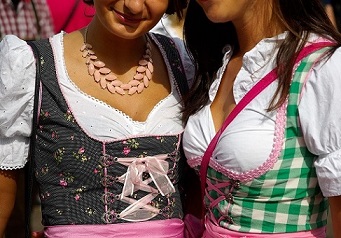
Bavarian wedding Tracht represents perhaps the most internationally recognized style, though visitors familiar only with Oktoberfest versions might be surprised by the refinement and elegance of authentic wedding attire. The Bavarian bridal dirndl transcends the festival versions, featuring luxurious fabrics like silk, velvet, or fine linen in sophisticated colors beyond the typical bright patterns.
Traditional Bavarian wedding dirndls often featured white or cream-colored skirts, historically dyed using natural materials and carefully maintained as precious possessions. The bodice might be richly embroidered with silver or gold thread, featuring motifs like edelweiss, oak leaves, or geometric patterns specific to the bride’s home region. The most elaborate versions included hand-stitched details requiring hundreds of hours of work, often completed by the bride herself or her female relatives as part of wedding preparations.
The Bavarian bride’s apron held particular significance, with pure white silk aprons reserved exclusively for weddings. The traditional apron bow placement – which typically indicates marital status in everyday wear – was tied in the center for weddings, symbolizing the bride’s transition from maidenhood to married life. After the ceremony, the apron would be tied on the right side, announcing her new status as a married woman.
Bavarian grooms wore Hochzeitslederhosen (wedding lederhosen) crafted from the finest leather, often chamois or deerskin, and decorated with elaborate embroidery. These weren’t the short lederhosen seen at festivals but rather knee-length or even full-length versions in black, deep brown, or natural leather tones. The embroidery featured hunting scenes, floral patterns, or family crests, with green thread being particularly popular for its association with prosperity and the natural world.
The groom’s ensemble included a tailored Janker (traditional jacket), typically in wool or loden fabric, and a distinctive hat adorned with feathers, tufts, or the gamsbart (chamois beard) – a tuft of hair from the chamois goat worn as a symbol of hunting prowess and Alpine identity. The completeness and quality of these accessories indicated the groom’s family status and his readiness to provide for his new wife.
Black Forest Wedding Traditions: The Spectacular Schäppel
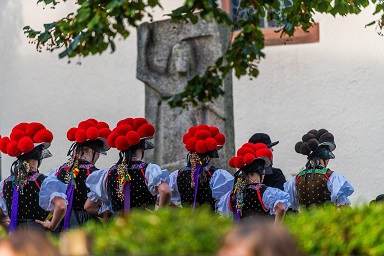
The Black Forest region developed some of Germany’s most visually striking wedding Tracht traditions, centered on the magnificent Schäppel headdress. This elaborate crown, worn by brides in certain Black Forest villages, represents one of the most spectacular examples of German folk art applied to wedding attire.
The traditional Schäppel featured a wire frame covered in fabric and decorated with hundreds of glass beads, small mirrors, metallic thread, and sometimes fresh flowers. These headdresses could weigh up to five pounds and featured pompoms – red for unmarried women in everyday contexts, but for weddings, the Schäppel displayed elaborate multicolored decorations that symbolized the bride’s joyous transition.
Creating a Schäppel required specialized skills passed down through generations of craftswomen. Each village had its own distinctive style, with specific arrangements of pompoms, particular color combinations, and unique decorative patterns. The most precious Schäppel were family heirlooms, carefully preserved and worn by multiple generations of brides.
Black Forest wedding dirndls traditionally featured dark, rich colors – deep blues, blacks, or burgundies – creating a striking contrast with the white blouse and elaborate Schäppel. The somber color palette wasn’t meant to convey sadness but rather reflected Protestant influences and practical considerations; dark fabrics could be worn again without showing wear. However, the extensive silver jewelry worn with the outfit – including ornate brooches, chains, and clasps – demonstrated family wealth and added visual splendor.
Grooms in Black Forest wedding Tracht wore dark suits with traditional embroidered vests, silver watch chains, and distinctive hats. The overall aesthetic was more restrained than Bavarian styles but equally sophisticated, emphasizing craftsmanship quality over colorful decoration.
Northern German Wedding Tracht: Maritime Elegance
Traditional wedding Tracht in northern German regions reflects both maritime influences and Protestant aesthetic values, creating styles quite different from southern German traditions. In coastal areas of Frisia, Schleswig-Holstein, and Lower Saxony, wedding attire emphasized modesty, practicality, and the display of wealth through fine materials and silver jewelry rather than colorful decoration.
Frisian bridal costumes featured elaborate lace caps or headdresses that represented months of skilled handwork. The intricate lace demonstrated both the bride’s skill (if she made it herself) and her family’s ability to commission such fine work. These caps were often treasured possessions, carefully preserved and passed to daughters.
The characteristic silver jewelry of northern German wedding Tracht served practical purposes beyond adornment. In maritime communities where fortunes fluctuated with fishing seasons and sea conditions, wearing family wealth in the form of silver clasps, chains, and brooches represented portable assets. Wedding gifts often included silver jewelry pieces that the bride could add to her collection, with complete sets indicating substantial family wealth.
Northern German wedding gowns typically featured rich fabrics in deep, dignified colors – blacks, navies, and deep greens – with minimal decoration. The quality of the fabric and the precision of the tailoring demonstrated refinement rather than the elaborate embroidery seen in southern regions. This aesthetic reflected both Protestant values and practical northern sensibilities.
Hessian and Central German Styles: Urban Sophistication Meets Rural Tradition
Central German regions including Hesse, Thuringia, and parts of Saxony developed wedding Tracht that showed greater urban influence while maintaining distinctive regional character. These areas’ positions along major trade routes and their significant cities created styles that blended rural folk traditions with elements of urban fashion.
Hessian wedding Tracht often featured brighter colors than northern styles but less elaborate decoration than Bavarian traditions. Striped skirts, embroidered bodices in distinctive regional patterns, and carefully coordinated color schemes characterized these wedding outfits. The headwear ranged from delicate lace caps to structured bonnets, with specific styles indicating not just the bride’s region but sometimes her specific village.
In regions with strong guild traditions, groom’s wedding Tracht sometimes incorporated elements of occupational dress, particularly for craftsmen whose trade identity was integral to their social standing. A master craftsman might wear his guild’s distinctive colors or symbols as part of his wedding outfit, announcing both his professional achievement and his readiness for the responsibilities of married life.
The Symbolism of German Wedding Tracht: What Every Element Means
Every aspect of traditional German wedding Tracht carries layers of meaning, from obvious symbolism to subtle cultural codes understood within specific regions. Understanding this symbolic language enriches appreciation for these traditions and helps modern couples make thoughtful choices about their wedding attire.
Color Symbolism and Regional Meaning
Color choices in German wedding Tracht convey complex messages varying by region and historical period. While white has become associated with bridal purity in modern contexts, traditional German wedding Tracht used diverse color palettes with specific regional meanings.
In Bavaria and other Catholic regions, white or cream-colored wedding dirndls symbolized purity and the special nature of the wedding day, but brides also wore rich colors like red, blue, or green, each carrying different connotations. Red symbolized love and fertility, blue represented fidelity and constancy, and green indicated hope and prosperity. The specific shade and combination with other colors created nuanced messages about the marriage’s hoped-for character.
Protestant northern regions favored darker, more sober colors for wedding attire, viewing elaborate color and decoration as inappropriate worldliness. However, even within these darker palettes, subtle variations conveyed meaning. The quality of black silk versus wool, the depth of blue dye, and the fineness of the fabric all communicated messages about family status and values.
The groom’s color choices similarly carried meaning. Dark colors suggested seriousness and readiness for marriage’s responsibilities, while the color and elaborateness of embroidery on lederhosen or vests indicated both regional identity and personal or family status within the community.
Embroidery and Decorative Motifs
The embroidery adorning German wedding Tracht represents hours of skilled work and carries rich symbolic meaning. Common motifs include flowers representing fertility and growth, hearts symbolizing love, intertwined initials connecting the couple’s identities, and geometric patterns with regional significance.
Edelweiss flowers, iconic in Alpine embroidery, symbolized not just natural beauty but also the groom’s courage and determination – qualities needed to harvest these flowers from dangerous mountain locations. Oak leaves and acorns represented strength, endurance, and fertility. Rose patterns suggested love and beauty, while forget-me-nots conveyed remembrance and constancy.
In some regions, wedding Tracht embroidery incorporated personal elements: the couple’s initials, their wedding date, or symbols representing their families’ occupations or origins. This personalization transformed garments into unique items documenting specific marriages and families.
The placement, density, and technical quality of embroidery also communicated information. Extensive hand embroidery demonstrated both skill and the time investment that showed a family’s prioritization of cultural traditions. The most elaborate pieces might feature raised embroidery, metallic threads, or even precious stones worked into the design.
Jewelry and Accessories: Portable Wealth and Family Heritage
Jewelry played crucial roles in German wedding Tracht, particularly in northern regions where elaborate silver pieces represented portable family wealth. Bridal silver – including chains, brooches, clasps, and decorative pins – often comprised inherited pieces accumulated over generations, with each wedding adding new pieces to the family collection.
These pieces weren’t merely decorative but served practical purposes. Silver clasps fastened garments, chains suspended important items, and brooches secured scarves or shawls. The dual functionality meant jewelry was both beautiful and useful, reflecting practical German sensibilities even in formal contexts.
In some regions, the quantity and quality of silver jewelry a bride wore indicated her dowry’s value and her family’s status. Wedding gifts from the groom’s family often included silver pieces, symbolically welcoming the bride into her new family and contributing to the wealth she would eventually pass to her own daughters.
The groom’s accessories – silver buttons, watch chains, hat pins, and belt buckles – similarly demonstrated his family’s status and his own prospects as a provider. Quality silver accessories were investments expected to last lifetimes, maintained carefully and eventually passed to sons.
Practical Considerations for Modern Couples
Couples considering German wedding Tracht for their own celebrations face numerous practical decisions. Understanding the options, processes, and considerations helps ensure wedding attire choices are satisfying and successful.
Research and Selection Process
Begin researching at least 6-12 months before the wedding, allowing time for custom creation if desired. Identify which regional style connects to your heritage or resonates with your aesthetic preferences. Consult with Trachtenvereine (traditional costume associations) in relevant regions, visit museums with wedding Tracht collections, and examine historical photographs of weddings from specific areas.
If authentic regional connection is important, research family history to determine ancestral villages and their specific traditions. Different villages within the same region might have distinct styles, and understanding these variations allows more precise authenticity.
Consider whether you prefer historical reproduction, contemporary interpretation, or creative fusion. Be honest about your comfort level with attention-drawing attire and whether full traditional dress suits your wedding’s overall concept and venue.
Budget and Investment
Authentic German wedding Tracht represents significant investment, particularly for custom pieces created by master craftspeople. High-quality bridal dirndls can range from €500 to €3,000 or more, depending on fabric, embroidery complexity, and customization. Grooms’ lederhosen and accessories similarly vary widely in price based on leather quality and construction method.
However, unlike typical wedding dresses worn once then stored, quality wedding Tracht can be worn repeatedly for festivals, formal events, and family celebrations. This extended use justifies higher initial investment for couples who will actively participate in events where traditional dress is appropriate.
Rental options exist for couples wanting traditional wedding attire without the commitment of purchase. Many German cities have specialty shops renting high-quality Tracht, though availability of wedding-specific pieces varies by location and season.
Budget allocation should consider the complete outfit: the main garments, accessories, jewelry, shoes, and any necessary undergarments or supports. Traditional silver jewelry, for instance, can significantly increase overall costs but may be investment pieces worn for decades.
Working with Craftspeople and Vendors
Select vendors specializing in traditional Tracht rather than costume shops selling Oktoberfest outfits. The quality difference is substantial, and experienced craftspeople can guide authentic style choices while ensuring proper fit and construction.
Schedule initial consultations early, bringing any reference materials, family photographs, or heirloom pieces you want incorporated. Discuss your vision thoroughly, but also remain open to expert guidance about what works authentically and practically.
Plan multiple fittings, particularly for custom pieces. Traditional Tracht requires precise fit – dirndl bodices must be structured correctly, lederhosen should fit comfortably for extended wear, and accessories need proper positioning.
Communicate clearly about your wedding date, usage intentions, and any concerns about comfort, mobility, or weather conditions. Experienced vendors can suggest modifications that maintain traditional appearance while improving wearability.
The Enduring Appeal of German Wedding Tracht
The decision to wear German wedding Tracht represents more than aesthetic preference – it’s a meaningful statement about identity, heritage, and values. In choosing traditional wedding attire, couples declare their connection to German cultural traditions, their respect for craftsmanship and history, and their intention to carry forward practices that have united generations of German families.
Today’s vibrant German wedding Tracht scene demonstrates that authentic tradition and contemporary life need not conflict. Modern couples successfully blend historical authenticity with personal expression, creating weddings that honor the past while celebrating the present. They work with master craftspeople preserving traditional skills, research their family histories, and thoughtfully consider how traditional attire expresses their unique love stories.
The beauty of German wedding Tracht lies in its diversity – from the elaborate Schäppel of the Black Forest to the elegant restraint of Frisian silver jewelry, from Bavarian embroidered splendor to Hessian understated sophistication. This regional variety means couples can find traditional styles that genuinely resonate with their heritage and aesthetic preferences rather than conforming to a single conception of “German traditional wedding.”
As these traditional garments are worn, photographed, and celebrated, they remain living elements of German culture rather than museum relics. Each wedding featuring traditional Tracht adds another chapter to centuries-old stories, connecting contemporary couples to the countless Germans who stood before them in similar garments, making similar promises, and beginning similar journeys into married life.
For couples seeking weddings that transcend trending styles and superficial decoration to achieve genuine cultural depth and personal meaning, German wedding Tracht offers something profoundly valuable: the opportunity to wrap themselves in tradition, beauty, and heritage as they begin their lives together. In a world increasingly characterized by rapid change and cultural homogenization, these traditional wedding garments represent continuity, community, and the enduring human desire to honor our origins while building our futures.
Related articles:
- Dirndl Decoded: The Meaning Behind Germany’s Most Iconic Dress
- Lederhosen Lore: From Peasant Gear to German Pride
- Beyond Bavaria: Regional Costumes You’ve Never Heard Of
- Modern Tracht: How Germans Are Redefining Traditional Fashion
- The History of Traditional German Clothing
- German Wedding Traditions: Old Customs That Still Exist Today
- German Wedding Traditions
- Getting Married in Germany
- Wedding Traditions in Germany: From Sawing Logs to Polteraben
- From Kidnapped Brides to Wedding Newspapers: Quirky German Wedding Customs