

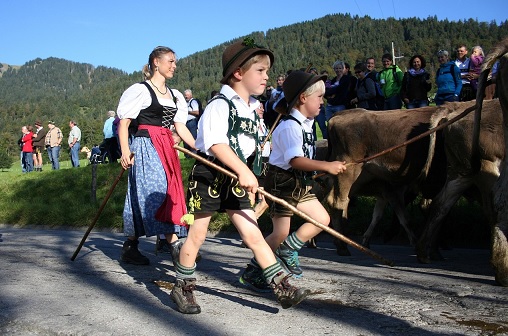
When you picture traditional German clothing, your mind likely conjures images of women twirling in colorful dirndls and men in sturdy leather shorts raising beer steins at Oktoberfest. While these iconic garments have become symbols of German culture worldwide, the true history of traditional German clothing runs far deeper than festive celebrations – it’s a rich tapestry woven from centuries of regional identity, social hierarchy, practical necessity, and cultural pride.
From the Alpine meadows of Bavaria to the windswept coasts of Frisia, from the Black Forest to the Saxon highlands, Germany’s diverse landscapes have given birth to an equally diverse array of traditional dress. Each region developed its own distinctive style, influenced by climate, available materials, local trades, and historical circumstances. Understanding this clothing heritage offers a fascinating window into German history itself, revealing stories of rural life, urban sophistication, religious identity, and the enduring human desire to express belonging through what we wear.
Today, as Germany navigates the complexities of globalization and cultural preservation, traditional German clothing is experiencing a remarkable renaissance. No longer relegated to museum displays or tourist spectacles, these garments are being reimagined, worn with pride, and celebrated as living symbols of regional identity. This comprehensive exploration will take you through the centuries, across the regions, and into the modern revival of Germany’s sartorial heritage.
The Medieval Foundations: Where German Traditional Dress Began
The roots of traditional German clothing stretch back to the Middle Ages, when distinct regional styles began emerging from the broader European fashion landscape. During this period, clothing served as an immediate visual indicator of social status, occupation, and regional origin – a language of fabric and form that everyone could read at a glance.
In medieval Germany, the ruling nobility and wealthy merchant classes wore elaborate garments influenced by changing European court fashions. Rich velvets, imported silks, and intricate embroidery demonstrated wealth and power. However, it was among the peasant and artisan classes that the foundations of what we now recognize as traditional German dress were truly established. These working people needed clothing that was practical, durable, and made from locally available materials – primarily wool, linen, and leather.
The basic elements that would evolve into regional traditional dress emerged during this era. Men wore simple tunics over trousers or breeches, often paired with leather aprons for protection during work. Women donned long skirts with fitted bodices, covered by aprons that protected their clothing while working in fields, kitchens, or workshops. The layering approach – practical for Germany’s variable climate – became a defining characteristic of traditional German dress.
Sumptuary laws enacted throughout the medieval and Renaissance periods actually helped preserve regional distinctions in clothing. These regulations restricted certain fabrics, colors, and styles to specific social classes, preventing lower classes from imitating aristocratic fashion. While these laws were intended to maintain social hierarchy, they inadvertently encouraged the development of distinctive folk dress traditions that expressed regional identity rather than aspirations to nobility.
Regional Diversity: A Geographic Journey Through German Traditional Clothing
Germany’s traditional clothing landscape is remarkably diverse, with each region developing styles that reflect local history, geography, and cultural influences. Understanding these regional variations reveals how traditional German clothing became such a powerful expression of local identity.
Bavarian Tracht: The Global Face of German Traditional Dress
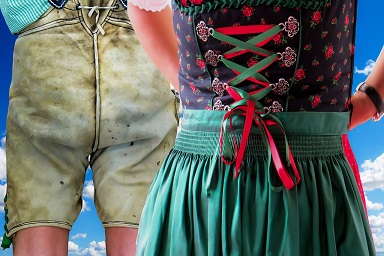
When most people think of traditional German clothing, they’re envisioning Bavarian Tracht – the lederhosen and dirndl that have become internationally synonymous with German culture. Bavaria’s traditional dress evolved from practical Alpine clothing worn by farmers, hunters, and mountaineers in southern Germany and Austria.
Men’s lederhosen – literally “leather trousers” – originated as durable work pants for Alpine laborers. The use of leather made them resistant to thorns, rocks, and rough terrain, while their short length allowed freedom of movement in mountainous regions. Over time, lederhosen evolved from purely functional garments into elaborately decorated pieces featuring intricate embroidery, often depicting hunting scenes, edelweiss flowers, or regional symbols. The suspenders (hosenträger) became canvases for artistic expression, embroidered with motifs that told stories about the wearer’s hometown or interests.
The dirndl – derived from the Bavarian dialect word “dirn” meaning young woman – began as the everyday dress of Alpine servant girls and rural women. The classic dirndl consists of a close-fitting bodice, full skirt, white blouse, and apron. Each component carries cultural significance: the placement of the apron bow indicates a woman’s marital status (left side for single, right for married, center for virginity, and back for widowed). The length, fabric quality, and decoration level historically indicated social standing and wealth.
Bavarian traditional clothing also includes the janker (a fitted wool jacket), the haferlschuhe (traditional leather shoes), and distinctive hats adorned with feathers, tufts, or brushes. These accessories weren’t merely decorative – they communicated the wearer’s profession, region, and social position within the community.
The Black Forest: Bollenhut and Distinctive Headwear
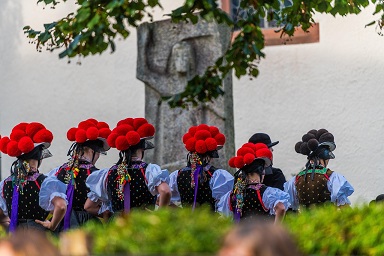
The Black Forest region developed some of Germany’s most visually striking traditional clothing, particularly its famous headwear. The bollenhut – a straw hat decorated with large red or black pom-poms – has become an icon of German traditional dress, though it was actually worn only in three specific villages: Gutach, Kirnbach, and Reichenbach.
The bollenhut’s colored pom-poms served a practical purpose: red indicated unmarried women, while black signified married status. This instant visual communication was essential in close-knit rural communities. The hat itself, worn over elaborately braided hair, demonstrated the hours of preparation required for formal occasions and church services.
Black Forest women’s traditional dress featured dark, somber colors – typically black or deep blue – with white blouses and intricately pleated skirts. Silver jewelry, particularly the elaborate brooches and chains known as schäppel, indicated family wealth and were often passed down through generations as treasured heirlooms.
Northern Germany: Maritime Influences and Protestant Simplicity

Traditional German clothing in the northern regions reflects both maritime influences and the Protestant Reformation’s emphasis on modesty and practicality. In coastal areas like Frisia, Schleswig-Holstein, and Lower Saxony, traditional dress incorporated elements suited to the harsh northern climate and fishing-based economy.
Frisian traditional clothing is characterized by its distinctive use of deep blues and blacks, with women wearing elaborate lace caps and silver jewelry. The silver pieces – including ornate clasps, brooches, and chains – represented a family’s wealth in portable form, essential for coastal communities where fortunes could change with the tides. The intricate lace work on caps and collars demonstrated both skill and status, with some pieces taking months to create.
Northern German men’s traditional dress was notably more austere than southern styles, featuring dark wool trousers, simple vests, and functional jackets suited to maritime labor. The practicality-focused approach reflected both Protestant values and the demanding nature of northern agricultural and fishing work.
Hessian and Rhineland Styles: Urban Influence and Trade Routes
The central German regions of Hesse and the Rhineland, positioned along major trade routes and featuring significant urban centers, developed traditional clothing that showed greater outside influence and urban sophistication. Hessian traditional dress incorporated brighter colors and more varied patterns than northern styles, while the Rhineland’s position along the Rhine River brought influences from France, the Netherlands, and Switzerland.
Women’s traditional dress in these regions often featured elaborately embroidered bodices, colorful striped skirts, and distinctive headwear ranging from delicate lace caps to structured bonnets. The urban-rural divide was more pronounced here, with city dwellers adopting international fashions while rural communities maintained traditional styles that increasingly became markers of regional identity.
The 19th Century: Romanticism and the Codification of Tracht
The concept of traditional German clothing as we understand it today was largely crystallized during the 19th century, particularly within the context of German Romanticism and nationalism. As Germany moved toward unification and industrialization accelerated, there emerged a nostalgic yearning for an idealized rural past, expressed partly through the celebration and preservation of traditional dress.
The Romantic movement, with its emphasis on folk culture, nature, and national character, elevated traditional German clothing from everyday peasant wear to symbols of authentic German identity. Artists, writers, and intellectuals began documenting regional dress styles, creating detailed illustrations and descriptions that helped standardize and preserve these traditions. This documentation was crucial, as actual wearing of traditional dress was already declining in many regions.
King Ludwig II of Bavaria, famous for his romantic castle-building, actively promoted traditional Bavarian dress at his court, elevating Tracht from peasant clothing to something worthy of aristocratic appreciation. This royal endorsement helped spark a broader revival of interest in traditional German clothing among the upper classes, who began wearing romanticized versions of folk dress for leisure activities and celebrations.
The establishment of folk costume preservation societies (Trachtenvereine) during this period played a crucial role in maintaining traditional German clothing traditions. These organizations documented regional styles, taught traditional crafts like embroidery and lacemaking, and organized events where traditional dress was worn. Many of these societies continue their work today, serving as living links to Germany’s sartorial heritage.
However, this 19th-century codification also meant that traditional German clothing became somewhat frozen in time, standardized according to Romantic ideals rather than continuing to evolve naturally. What had been living, working clothing became increasingly ceremonial and symbolic.
Cultural Symbolism: What Traditional German Clothing Communicates
Traditional German clothing has always been a rich system of non-verbal communication, conveying information about the wearer’s identity, status, beliefs, and circumstances. Understanding this symbolic language reveals the sophisticated social functions these garments served.
Regional identity was perhaps the most immediate message communicated by traditional dress. Specific colors, patterns, cuts, and accessories immediately identified someone’s hometown or region. This was particularly important in an era before standardized national identity, when regional and local affiliations were primary forms of belonging. A person’s clothing announced them as Bavarian, Frisian, Swabian, or Saxon before they spoke a word.
Marital status was clearly indicated through various clothing elements. Beyond the famous dirndl apron bow placement, numerous regional traditions existed: different colored pom-poms on hats, specific jewelry pieces, or particular ways of styling headscarves. This instant visual communication served practical social functions in communities where knowing someone’s availability or family status was important information.
Social and economic status was displayed through fabric quality, decoration intricacy, and the number of pieces owned. Wealthy farmers might own multiple complete sets of traditional clothing, including everyday versions and elaborate Sunday best outfits featuring expensive materials like silk ribbons, silver buttons, and intricate embroidery. The ability to own and maintain such clothing demonstrated economic success and social standing.
Religious affiliation also influenced traditional German clothing, particularly in religiously mixed regions. Protestant areas tended toward darker colors and simpler designs, while Catholic regions embraced brighter colors and more elaborate decoration. Traditional dress worn to church services made these religious distinctions visually apparent.
Occupational identity was often incorporated into traditional dress through specific accessories, colors, or garment styles associated with particular trades. Miners, foresters, vintners, and other professions developed distinctive variations that marked their occupational identity while remaining within regional traditional dress conventions.
The 20th Century: Decline, Appropriation, and Transformation
The 20th century brought dramatic changes to traditional German clothing, moving from everyday wear to ceremonial dress, suffering from political appropriation, and eventually beginning a genuine revival based on cultural pride rather than nationalism.
The early decades saw traditional dress declining rapidly as Germany industrialized and urbanized. Young people moving to cities for work abandoned traditional clothing in favor of modern fashions. By the 1920s, traditional German clothing was primarily worn by older rural residents, and many regions’ traditions were at risk of disappearing entirely.
The Nazi period represents a dark chapter in the history of traditional German clothing. The regime appropriated traditional dress as part of its propaganda, using dirndls, lederhosen, and other regional styles to promote idealized visions of “authentic” German identity and racial purity. This political manipulation tainted traditional clothing with nationalist associations that would take decades to overcome. Post-World War II, many Germans avoided traditional dress due to these uncomfortable associations.
However, the 1950s and 1960s saw Oktoberfest grow from a local Munich celebration into an international phenomenon, bringing Bavarian traditional clothing unprecedented global visibility. While this popularized dirndls and lederhosen worldwide, it also created the misconception that Bavarian Tracht represented all German traditional clothing, obscuring the rich diversity of regional styles.
The 1970s and 1980s brought renewed interest in regional identity and folk traditions throughout Europe, including Germany. New generations began reclaiming traditional German clothing as expressions of regional pride rather than nationalism. Fashion designers started incorporating traditional elements into contemporary designs, and wearing Tracht to festivals became increasingly popular again.
The Modern Revival: Traditional German Clothing in the 21st Century

Today, traditional German clothing is experiencing a remarkable renaissance that extends far beyond Oktoberfest. This modern revival reflects a sophisticated understanding of tradition as something living and evolving rather than frozen in time.
Contemporary Germans wear traditional clothing for numerous occasions beyond tourist events. Weddings increasingly feature traditional dress, with couples and guests donning regional Tracht to celebrate their heritage. Church festivals, shooting competitions (Schützenfeste), harvest celebrations, and other community events see traditional German clothing worn with pride. Young people attend volksfest celebrations in dirndls and lederhosen, combining traditional garments with modern hairstyles, makeup, and accessories.
Modern designers are reimagining traditional German clothing for contemporary contexts. High-fashion interpretations of dirndls appear on runways, featuring innovative cuts, unexpected materials, and bold styling. Traditional elements like embroidery patterns, lace details, and signature silhouettes are incorporated into everyday clothing. This design evolution demonstrates that traditional German clothing can be both heritage preservation and creative innovation.
The quality and authenticity of traditional garments have become important considerations for modern wearers. Increased awareness of craftsmanship has created demand for traditionally made pieces using heritage techniques. Master tailors and seamstresses who specialize in traditional German clothing are experiencing renewed business, training new generations in skills that were nearly lost. The distinction between authentic handcrafted Tracht and mass-produced costume versions has become culturally significant.
Social media has played an unexpected role in the traditional German clothing revival, with Instagram and other platforms showcasing stunning examples of both historical and contemporary Tracht. Young Germans photograph themselves in traditional dress, sharing styling ideas and creating communities around this shared cultural interest. This digital visibility has helped destigmatize traditional clothing and present it as fashionable rather than outdated.
Regional tourism benefits from this revival, as visitors seek authentic cultural experiences beyond stereotypical German imagery. Regions with strong traditional dress traditions – from the Schaumburg in Lower Saxony to the Miesbacher Tracht in Upper Bavaria – are promoting their distinctive styles as part of cultural tourism initiatives.
Preservation Efforts: Keeping Traditions Alive
Numerous organizations and individuals work tirelessly to preserve traditional German clothing heritage for future generations. Trachtenvereine (traditional costume associations) remain active throughout Germany, with members meeting regularly to wear, discuss, and maintain traditional dress. These groups organize events, teach traditional crafts, and serve as living repositories of regional clothing knowledge.
Museums play crucial roles in preservation through extensive collections of historical garments. Institutions like the Bavarian National Museum in Munich, the Museum Europäischer Kulturen in Berlin, and numerous regional museums maintain significant traditional clothing collections. These pieces serve both as historical documents and as references for contemporary makers seeking authentic patterns and techniques.
Master craftspeople continue traditional techniques that might otherwise vanish. Embroiderers create intricate designs using centuries-old patterns, leather workers craft authentic lederhosen using traditional methods, and lacemakers produce the delicate work that adorned regional headdresses. Many offer workshops and apprenticeships, ensuring these skills pass to new generations.
Academic research into traditional German clothing has expanded significantly, with scholars examining the social, economic, and cultural contexts of regional dress traditions. This research provides depth and nuance beyond romantic nostalgia, revealing the complex realities of how traditional clothing functioned in historical communities.
The Living Legacy of German Traditional Dress
The history of traditional German clothing is far more than a story about dirndls and lederhosen – it’s a narrative about identity, community, craftsmanship, and cultural continuity. From medieval foundations through romantic codification to modern revival, these garments have served as powerful expressions of who Germans were, are, and wish to be.
Today’s relationship with traditional German clothing demonstrates a mature cultural confidence. Rather than rejecting traditional dress as backward or blindly worshiping it as unchangeable, contemporary Germans engage with these traditions thoughtfully. They wear traditional clothing with pride while adapting it for modern contexts. They appreciate craftsmanship while embracing design innovation. They celebrate regional diversity while recognizing shared cultural heritage.
The enduring appeal of traditional German clothing lies in its ability to connect past and present, individual and community, local and national identity. When someone dons a carefully crafted dirndl or authentically made lederhosen, they’re not playing dress-up or engaging in nostalgic fantasy – they’re participating in a living tradition that continues evolving while honoring its roots.
As Germany navigates the complexities of the 21st century, traditional clothing offers something increasingly valuable: tangible connection to place, heritage, and community. In a globalized world where cultural distinctiveness can feel threatened, these garments represent continuity and belonging. The vibrant revival of traditional German clothing demonstrates that authentic cultural traditions, when approached with respect, creativity, and understanding, remain powerfully relevant.
The story of traditional German clothing continues being written today, in designers’ studios and master craftspeople workshops, at festivals and weddings, in museums and on social media. It’s a story of remarkable diversity, creative adaptation, and enduring pride – a testament to the human need to express identity through what we wear and to maintain connections with the cultural traditions that shape who we are.
Related articles:
- Traditional German Clothing – Dirndl and Lederhosen
- A Glimpse from the Past: Traditional Bavarian Clothing
- The Rich Tapestry of German Traditions
- The Schuhplattler: A Tradition of Bavarian Dance
- Traditional German Clothing: The Stories Behind the Styles
- Beyond Bavaria: Regional Costumes You’ve Never Heard Of
- Modern Tracht: How Germans Are Redefining Traditional Fashion