

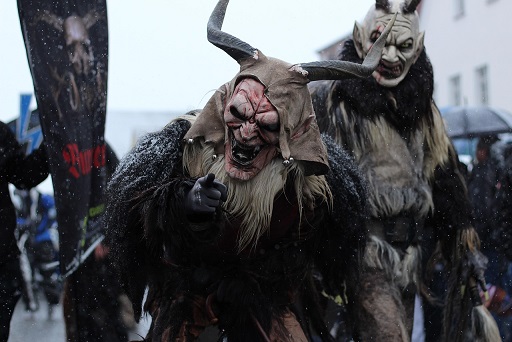
Walk into a German costume shop in early October and you’ll notice something quickly: the shelves are crowded with witches, vampires, skeletons, and zombies, and the cheerful characters you’d expect at a children’s party are in short supply. That isn’t an accident. In Germany, Halloween and Karneval are two separate costume seasons with two different moods, and Halloween has claimed the dark one.
Understanding that split explains a lot about how Germans dress up, what they’ll find funny or strange, and why a costume that works perfectly in February can fall flat on October 31.
Two Costume Seasons, Two Different Moods
Germany already had a long costume tradition before Halloween arrived. Karneval, held in the weeks before Lent, is the country’s big dress-up festival, and it leans toward humor: clowns, animals, cartoon characters, historical figures, and outrageous puns. People wear costumes to street parades and parties, and cleverness counts for as much as polish.
Halloween arrived in the 1990s, partly through American films and partly through a deliberate marketing push by the costume and toy industry, which wanted a second season. You can read the full story in our article on how Halloween came to Germany. Because it was imported as a darker, spookier holiday, it settled into a different niche: horror, gore, and the supernatural.
The practical result is a fairly clear unwritten rule. Karneval is for being funny. Halloween is for being scary.
What Germans Actually Wear
Costume trends vary by year and by age, but a few categories dominate.
Classic monsters. Vampires, witches (Hexen), skeletons (Skelette), ghosts (Gespenster), zombies, werewolves, and mummies are the backbone of German Halloween, for children and adults alike.
Horror characters. Among teenagers and adults, characters from popular horror films and series are common, along with clowns and other unsettling figures.
Make-up over costume. Many adults rely on elaborate face paint and special-effects make-up rather than a full outfit. A torn shirt, fake blood, and a convincing wound can go a long way.
Handmade and recycled. Germans have a strong DIY and reuse culture, and plenty of Halloween outfits are assembled from old clothes or borrowed Karneval pieces rather than bought new. A witch hat or cape that already lives in the closet for February often does double duty.
Children vs. Adults
Children’s costumes are usually softer than adults’, with friendly ghosts, small witches, and pumpkin suits. Adults, especially in the 18 to 35 range who attend clubs and ticketed parties, tend to go further, with gore, special effects, and detailed character work. Some venues even run costume contests with prizes, so effort pays off.
At the other end, many older Germans don’t dress up at all, and in smaller towns you may be one of the only costumed people in sight. If you’re heading to a city party, though, expect most people to go all-in.
Where to Get a Costume
Costumes show up in seasonal sections of department stores, party and costume shops, toy retailers, and online marketplaces from late summer onward. Because Karneval is a bigger and older costume market, some costume shops in cities also offer rentals (Kostümverleih), which can be a good option for elaborate outfits you’ll wear once. For the best selection, shop in early October. By the final week before October 31, popular sizes and characters sell out.
Costume Rules and Etiquette Visitors Should Know
Most costumes are fine, but Germany has a few firm limits worth knowing before you dress up.
No Nazi symbols or uniforms. Displaying symbols of banned unconstitutional organizations, including swastikas and related insignia, is a criminal offense in public, and a costume is not an exemption. This applies at parties, parades, and anywhere in public view, and it’s taken very seriously. Costumes referencing the Nazi era are strongly disapproved of, whatever the intent.
Be careful with realistic weapons. Replica guns and knives that look real can cause alarm, and German weapons law restricts carrying realistic-looking imitations in public, with limited exceptions for events like theater or traditional festivals. Police regularly warn about this around Karneval. Choose obviously toy props or leave the weapon at home.
Think twice about culturally sensitive costumes. Germany has an ongoing public debate about costumes that stereotype ethnic or cultural groups, and many organizers, schools, and venues discourage them. If you’re unsure, pick something else.
Masks and face coverings. Wearing a mask to a party is perfectly fine. Face coverings are restricted at public demonstrations, but that doesn’t affect a typical costume event.
Keep it appropriate for the setting. A gory costume that works in a club may not suit a children’s party or a family event, so check the audience first.
Tips for Dressing Up in Germany
- Go scary. Leave the cartoon character for Karneval.
- Dress for the weather. Late October evenings are cold and dark early, since the clocks go back on October 25, so layer under your costume.
- Check the event dress code. Ticketed parties sometimes require a full costume and may turn away guests in casual clothing.
- Borrow from Karneval. Friends and family often have hats, capes, and wigs you can use.
- Mind the date. In 2026, October 31 is a Saturday, so costume shops and party stores in the nine states where it’s Reformation Day will be closed. Shop by Friday. Our guide to Halloween as a public holiday explains which states.
For the broader picture of how Halloween looks in Germany today, see our complete guide to Halloween in Germany, or browse Halloween events in Germany for places to wear your costume.
FAQ
Do Germans dress up for Halloween?
Many do, especially children, students, and young adults in cities. Older generations and rural communities are less likely to participate.
What’s the difference between Halloween and Karneval costumes?
Karneval costumes tend to be funny and playful, while Halloween costumes lean toward horror and the supernatural.
Can I wear a Nazi-themed costume in Germany?
No. Displaying Nazi symbols in public is a criminal offense, even in costume.
Where can I buy Halloween costumes in Germany?
In department stores, party and costume shops, toy retailers, and online, with the best selection in early October. Many cities also have costume rental shops.