German Culture

All about Germany

  • Home
  • Learn German
    • German Language Basics
    • German Grammar & Vocabulary
    • German Learning Tips
    • German Idioms & Expressions
    • German Quizzes & Exercises
  • Articles
    • Famous Germans
    • German Holidays
    • German Cuisine
    • How To In Germany
    • Daily Life in Germany
    • German Facts
    • German Traditions
  • Facts About Germany
  • German History
    • Early History of Germany
    • Middle Ages in German History
    • German Reformation Period
    • 19th Century and German Unification
  • German Recipes
    • German Baking Recipes
    • German Bread Recipes
    • German Christmas Recipes
    • Desserts
    • German Easter Recipes
    • Halloween Recipes
    • Main Dishes
    • German Salad Recipes
    • German Salads
    • Sauerkraut Recipes
  • Travel to Germany
  • Contact

December 15 in German History

December 15, 1878

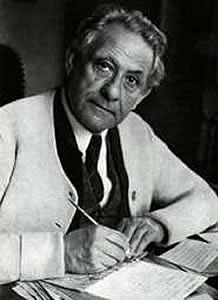
carossa

Birth of Hans Carossa (1878-1956) in Tölz, Germany. Carossa was a physician who wrote successful novels and poetry. He was a great admirer of Goethe. Among his works are Dr. Bürgers Ende (1913), Der Arzt Gion (1931) and Führung und Geleit (1933). He was awarded the Swiss Gottfried Keller Prize in 1931, and the Goethe Prize in 1938.

December 15, 1914

Serbian troops retake Belgrade from Austria in WWI. In the battle 227,000 Austrians and 170,000 Serbians die.

December 15, 1917

A formal truce is signed removing Russia from WWI.

December 15, 1928

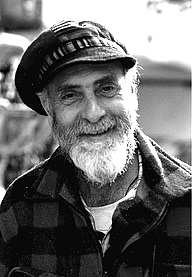
hundertwasser

Birth of the Austrian artist Friedensreich Hundertwasser (original name Friedrich Stowasser) in Vienna. He was fascinated by spirals, and called straight lines “the devil’s tools”. Hundertwasser’s original and unruly artistic vision expressed itself in pictorial art, environmentalism, philosophy, and design of facades, postage stamps, flags, and clothing (among other areas). The common themes in his work utilized bright colors, organic forms, a reconciliation of humans with nature, and a strong individualism, rejecting straight lines.

December 15, 1961

The trial of the Nazi, Adolf Eichmann, ends in Tel Aviv, Israel. Eichmann had been born in Solingen, Germany. He joined the Nazi Party in 1932. He became a member of the SS (Schutzstaffel) in 1932. During the Nazi years he was in charge of eliminating Jews in Vienna, Prague and Berlin. He was present at the Wannsee Conference in Berlin in 1942 when the “final solution” was announced. He was to coordinate arrangements. At the end of the war Eichmann escaped Germany and lived in Argentina. He was discovered by the Israeli secrete service in 1960. He was then secreted out of Argentina and taken to Israel, tried for crimes against humanity, found guilty and hanged on May 31, 1962 in Tel Aviv.

Back to Today in German History Calendar

You might also like:

  • The Austro-Prussian War (1866) - The Conflict That Reshaped Germany
    The Austro-Prussian War (1866)
  • Frederick the Great of Prussia: Warrior and Reformer
    Frederick the Great of Prussia
  • Famous German Scientists Who Changed the World
    Famous German Scientists Who Changed the World…
  • Napoleon’s Impact on Germany: The Confederation of the Rhine
    The Napoleonic Wars and the Confederation of the Rhine
  • German Literature
    The Rich Tapestry of German Literature: From the…
  • How to Say ‘Happy Easter’ in German
    How to Say Happy Easter in German – Common Easter Greetings
  • German Easter Music
    German Easter Songs and Poems: The Music and Poetry…
  • German Language
    German Language: A Journey Through Linguistic…

Recent Posts

Rules for Tourists in Germany

What Not to Do in Germany: Mistakes Tourists Make

Are German stereotypes true?

German Stereotypes: What’s True and What’s Not

German work culture has many strength

German Work Culture: What Makes It So Different?

Why is German culture so efficient

Why Is German Culture So Efficient? The Secrets Behind It

Modern Germany is one of the most diverse countries in Europe.

What Do Germans Think of Foreigners? The Truth Explained

Foundation of German Culture

German Values and Beliefs: What Shapes Daily Life

German friendliness just looks different.

Are Germans Friendly or Rude? Breaking the Stereotype

Why Germans value rules so highly

Why Do Germans Love Rules? Ordnung Explained

Copyright © 2026 · German Culture

Go to mobile version