German holidays are more than dates on a calendar. They are cultural anchors, seasonal markers, and emotional milestones. They structure the rhythm of the year, bringing together centuries of Christian heritage, regional folk customs, civic traditions, and modern habits that shape everyday life in Germany.
To understand German holidays is to understand how Germans think about time, community, nature, and history. It is to see the deep value placed on rest, ritual, family, and the careful marking of transitions from season to season. These holidays reveal a culture that honors both solemn reflection and joyous celebration, a society in which tradition and modernity coexist effortlessly.
The Holiday Year Begins: New Year’s Eve and New Year’s Day
Germany begins its holiday year with Sylvester, a lively night that marks the transition from the old year to the new. Named after Saint Sylvester, whose feast falls on 31 December, the holiday has lost most of its religious meaning and instead entered the realm of national celebration.
Sylvester Night
On New Year’s Eve, Germans gather with friends or family to share meals, watch televised comedy sketches, set off fireworks, and take part in small rituals meant to bring luck. One cherished custom is Bleigießen, once involving pouring molten lead into cold water to shape symbols of future fortune. Today, due to safety regulations, lead has been replaced by wax or tin. The appeal of the ritual remains unchanged: interpreting the results as hints of what the next year will bring.
Fireworks erupt at midnight in every town and city, a custom rooted in ancient beliefs that noise drives away evil spirits. Champagne toasts follow, accompanied by wishes for Glück and Gesundheit in the coming year.
New Year’s Day
The first day of the year is quiet, reflective, and often spent resting. Many people enjoy long walks in the crisp winter air. Germans value this symbolic reset, and it sets the tone for a year shaped by a balance of energy and intention.
Carnival and Lent: A Season of Reversal and Reflection
Before Germany enters the contemplative period of Lent, the country erupts in colourful chaos during Carnival.
Fastnacht, Fasching, Karneval
Depending on the region, the names differ. But the spirit is the same: a season of costumed parades, music, dance, and joyful inversion of everyday norms. Cologne, Düsseldorf, and Mainz host legendary Carnival processions. Southern regions like Swabia and Bavaria uphold more ancient customs, with wooden masks, wild figures, and symbolic battles between winter and spring.
Carnival is a cultural release valve – a moment when formality is temporarily suspended, laughter takes centre stage, and the constraints of social order are playfully challenged.
Lent
After the exuberance of Carnival, Lent begins. This is not a widely observed religious period for all modern Germans, but echoes of its influence remain in the simpler meals, quieter activities, and atmosphere of anticipation that lead toward Easter.
Easter: Spring’s First Major Holiday
Easter is one of Germany’s most important holidays, rich in symbolism and shaped by deep seasonal cycles.
Palm Sunday to Good Friday
Church services mark the events of Holy Week, but for many families, Easter preparations take a more domestic form: decorating eggs, baking seasonal breads, and preparing for the Easter egg hunt. Good Friday is a public holiday in most states, observed quietly, with many entertainment venues closed to maintain the day’s solemnity.
Easter Traditions
Germans are particularly fond of their Osterhase, the Easter Hare – an old folk figure who hides eggs for children. The tradition began in southwestern Germany centuries ago and later spread worldwide, becoming the Easter Bunny familiar today.
Decorated trees or bushes called Ostersträuche appear in many gardens, hung with colourful eggs. These decorations reflect the German love of bringing seasonal change into visual form.
Families gather for festive meals featuring lamb, asparagus, or sweet breads. Easter Monday is also a holiday, giving families time to rest or travel. The double holiday reflects Germany’s emphasis on marking major religious festivals with both celebration and recovery.
May Day: Spring, Solidarity, and Community
The first of May is one of Germany’s most diverse holidays, blending ancient and modern meanings.
Maypoles and Folk Traditions
In many villages, a tall decorated tree, the Maibaum, is erected in the village square. The raising of the Maypole is a communal act, often accompanied by music, dancing, and local festivities. The tradition symbolizes renewal, fertility, and the arrival of spring. Young men sometimes secretly place small birch trees outside the homes of people they admire, adding a playful, romantic element to the season.
Labour Day
May 1 is also Labour Day, honoring workers’ rights and social progress. Trade unions and civic organisations hold marches or events promoting solidarity, social justice, and fair working conditions. This combination of ancient spring celebration and modern civic holiday illustrates Germany’s rich layering of traditions.
Ascension Day and Pentecost: Faith and Fresh Air
Two important Christian holidays punctuate late spring, each with its own cultural flavour.
Forty days after Easter, Ascension Day is celebrated as a public holiday. In many parts of Germany, it has a dual identity: it is both a religious observance and Father’s Day. Groups of men often take “Himmelfahrtsausflüge,” long walks or bicycle tours with food and drink. The custom varies by region, but it always carries a sense of fellowship and early summer joy.
Pentecost, celebrated with a holiday Monday, is a time for travel, festivals, and outdoor gatherings. Many towns host Pentecost fairs or concerts, making it one of the most pleasant seasonal breaks of the year.
German Unity Day: Reflecting on a Divided Past
On 3 October, Germany pauses to mark the anniversary of reunification in 1990. This holiday is younger than many others, but powerful in meaning.
German Unity Day offers a moment of reflection on the peaceful revolution that brought down the Berlin Wall and reunited East and West Germany after decades of political division. Ceremonies, concerts, and public events are held across the country, with a rotating host city taking the lead each year.
Unity Day emphasizes national identity and democratic values, reminding Germans that their modern state is built on optimism, persistence, and the collective will for freedom.
All Saints’ Day, Reformation Day, and Regional Identity
Late October and early November reveal Germany’s denominational diversity more clearly than any other part of the calendar.
Reformation Day
Celebrated on 31 October in several northern and eastern states, Reformation Day commemorates Martin Luther’s actions in 1517, which sparked the Protestant Reformation. It is a day that honors spiritual courage and the idea of questioning established structures.
All Saints’ Day
Observed on 1 November, particularly in Catholic regions such as Bavaria, the Rhineland, and Saarland, All Saints’ Day is a quiet and contemplative holiday. Families visit cemeteries, light candles for the departed, and reflect on the continuity of family across generations.
These closely placed holidays highlight the cultural geography of the country – a landscape in which Catholic and Protestant traditions coexist respectfully and shape regional identities.
St. Martin’s Day: Lanterns and Generosity
On 11 November, children across Germany take part in lantern processions for St. Martin’s Day. They craft handmade lanterns, sing songs, and walk through the streets at dusk. The lantern light symbolizes kindness and sharing – the central themes of the holiday.
The story of St. Martin, a Roman soldier who shared his cloak with a beggar, resonates deeply with German cultural values of generosity and humility. Many towns host a reenactment of the scene, often with a rider on horseback leading the parade.
Families enjoy roasted goose or pastries afterward. It is a holiday that blends warmth, community, and the beginnings of winter’s arrival.
Advent: The Path Toward Christmas
Germany’s holiday calendar reaches its emotional high point with Advent and Christmas. Advent is not simply a countdown; it is a cultural season unto itself – four weeks filled with rituals of light, expectation, and preparation.
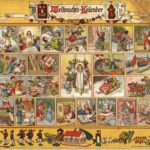
Advent wreaths, calendars, concerts, and Christmas markets shape the ambience of the country. Streets glow with lights, houses fill with baking scents, and a sense of cultural togetherness permeates public life.
Advent reminds Germans that celebration is made meaningful through anticipation – an essential cultural principle.
Christmas: Germany’s Most Beloved Holiday
Christmas in Germany is a season of quiet wonder, not spectacle. Christmas Eve holds the deepest significance. The Christmas tree is often revealed on the evening itself, glowing with candles or lights, marking the moment the holiday truly begins.
Depending on the region, gifts are brought by the Christkind or the Weihnachtsmann. Families gather for simple or festive meals, sing carols, and enjoy the soft glow of tradition.
The following two days are public holidays devoted entirely to rest and family. Christmas in Germany is not rushed or loud. It is gentle, reflective, and rooted in centuries of spiritual and cultural symbolism.
New Year’s Eve and Epiphany: Closing the Cycle
As the year draws to a close, the circle of holidays returns to where it started – with celebration, transition, and hope.
After New Year’s Eve, the holiday season officially ends on 6 January with Epiphany. In many southern regions, children dressed as the Three Kings visit homes to sing and collect charitable donations. They write a chalk blessing above the door, marking the home for good fortune in the coming year.
Epiphany closes the holiday cycle with a blend of reflection and communal goodwill – a fitting summary of the German approach to the holidays.
What German Holidays Reveal About German Culture
Taken together, German holidays reveal a society that values rhythm, continuity, and balance. Each holiday serves a cultural purpose: reflection, celebration, community, rest, remembrance, or seasonal transition.
They show a country that honors both its spiritual past and its civic present. They celebrate light in darkness, solidarity in change, and connection in a fast-paced world. Most important, they emphasize that the meaning of a holiday lies not in extravagance but in the quiet, shared moments that give life depth.
German holidays offer more than days off. They offer a way of moving through the year – with intention, with tradition, and with a cultural wisdom that has carried generations through both challenging and hopeful times.
How to celebrate Easter like a German Learn how to celebrate Easter like a German with festive traditions, Easter markets, egg decorating, and special foods that make this holiday unique.
All Pumpkins’ Night in Germany Halloween came to us from those ancient pagan times when the Celts celebrated Samhain – the festival of the dead. Nowadays Halloween is a popular holiday with its special traditions and tasty treats!
Autumn in Germany Discover what to do in Germany in autumn! Don’t miss bright and original holidays celebrated in autumn Germany.
Christ Child – Christkind It is Christ child, or Christkind, who opens the annual Christmas markets in Nuremberg with “its”, or rather “her” prologue.
Christmas Celebration in Germany Plenty of Christmas celebration traditions from Germany – Christkindlesmarkts, Christmas tree, Advent – Christmas calendar, and German tasty recipes!
Christmas in Germany German Christmas traditions all in one comprehensive article. Check out our information on Weihnachten, Christkindlsmarkt, Advent, Tannenbaum and more!
Christmas Markets and Advent in Germany Germany is famous for its Christmas Markets. Early in December, the oldest and most famous market, Nuremberg’s Christkindlesmarkt is opened.
Christmas Stories December in Germany is full of holiday celebrations – here are the stories of German saints celebrated around Christmas. Find out some traditional recipes for Three Kings and Epiphany, St. Lucia’s Day, and some more.
Christmas tree – Tannenbaum The first appearance of a Christmas tree – Tannenbaum – was recorded in 1605 in Strasburg, and the record said that “…people set up Christmas trees in their rooms…”.
Easter Bunny Recipes Easter is not all about hard-boiled eggs. You cannot make it with egg salads only! Let’s honor Easter rabbit – the one who hides Easter eggs – by putting “him” on the festive table.
Easter Eggs: Traditions and Recipes Colored eggs are one of the Easter traditions. Learn how to make them and what to do with them afterwards.
Easter Feast Review of Easter rituals and traditions in Germany.
Fasching Find out what Fasching, or Carnival, is, how it gets started and what’s going on during the celebration.
Frohe Weihnachten! Christmas in Germany Plenty of Christmas celebration traditions from Germany – Christkindlesmarkt, Christmas tree, Advent – Christmas calendar, and some tasty recipes!
Join the Love Republic Despite the intention of Berlin authorities to cancel Loveparade’2001, it will nevertheless take place one week later than usually — on July 21, 2001.
Love at First …Site? Keep your heart open for Cupid’s arrows on St. Valentine’s Day.
May Day in Germany, Maypole May 1st is an official holiday in German-speaking countries. This is the International Workers’ Day. However there are many more interesting traditions connected with this day that were observed in ancient times.
German Maiwein Maiwein (May Wine) is a German drink, dedicated to springtime and flavored with fresh sweet woodruff. Make your own May wine by using a good white wine and flavoring it with woodruff.
Oktoberfest…The Fest of Times The Munich Oktoberfest, known by the locals as the “Wiesn”, is the biggest public festival in the world. In 2001 it was held with certain restrictions.
St. Andreas’ Day November 30 is dedicated in the evangelical, catholic and orthodox church to the Saint Andreas the Apostle, the brother of Saint Peter.
St. Barbara’s Day Do you know where from did come the “Barbarazweig,” the custom of bringing branches into the house on December 4 to bloom on Christmas?
St. Lucia’s Day St. Lucia’s Day, otherwise called The Festival of Lights, is celebrated on December 13, a week after St. Nikolaus’ Day.
St. Nicholas Day St. Nicholas Day, or Eve, is celebrated on December 6. This is the favorite holiday of all children – it’s a gift-giving day.
Ten Years Together: Bored or Happy? The last of the most decisive turning points of German history happened on October 3, 1990. Reunification was the cherished dream of most Germans after 28 years of living behind the Wall.
The Fall of the Wall and Reunification The last of the most decisive turnarounds of German history happened on October 3, 1990. Reunification was the cherished dream of most East Germans after 28 years of living behind the Wall.
Three Kings and Epiphany The Greek word “Epiphanias” means “uprise, appearance”, i.e. appearance of the Lord which was celebrated in the early Christian centuries on January 6.