German Culture

All about Germany

  • Home
  • Learn German
    • German Language Basics
    • German Grammar & Vocabulary
    • German Learning Tips
    • German Idioms & Expressions
    • German Quizzes & Exercises
  • Articles
    • Famous Germans
    • German Holidays
    • German Cuisine
    • How To In Germany
    • Daily Life in Germany
    • German Facts
    • German Traditions
  • Facts About Germany
  • German History
    • Early History of Germany
    • Middle Ages in German History
    • German Reformation Period
    • 19th Century and German Unification
  • German Recipes
    • German Baking Recipes
    • German Bread Recipes
    • German Christmas Recipes
    • Desserts
    • German Easter Recipes
    • Halloween Recipes
    • Main Dishes
    • German Salad Recipes
    • German Salads
    • Sauerkraut Recipes
  • Travel to Germany
  • Contact

June 2 in German History

June 2, 1863

Birth of Felix Weingartner in Zara, Austrian Empire (now in Croatia). Weingartner was a composer and conductor. He studied with Franz Liszt at Weimar and at the conservatory in Graz, Austria. He conducted the Berlin Royal Opera in 1891. In 1907 he was appointed as Gustav Mahler’s successor as conductor of the Court Opera in Vienna. He conducted the Vienna Philharmonic from 1908-1927. He directed the Vienna State Opera from 1934-1936. In 1937 he left Austria and became a Swiss citizen. He composed an opera, Sakuntala, as well as choral works, symphonies and chamber music.

June 2, 1878

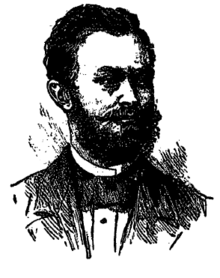
Karl_Eduard_Nobiling

K. E. Nobiling attempts to assassinate Kaiser Wilhelm I. As the Emperor drove past in an open carriage, the assassin fired two shots from a shotgun at him from the window of a house off the Unter den Linden. William was severely wounded and was rushed back to the palace and Nobiling shot himself in an attempt to commit suicide. While William survived this attack, the assassin died from his self-inflicted wound three months later.

June 2, 2000

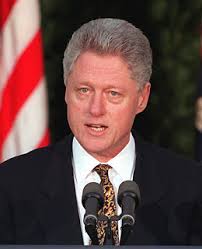
clinton

U. S. President William Jefferson Clinton is awarded the Charlemagne prize of the city of Aachen. Clinton was the first American president to win the prize which is given for contributions toward the unity of Europe.
Back to Today in German History Calendar

You might also like:

  • German Classical Music
    The German Influence on Classical Music: Composers…
  • German Science and Culture in 18th Century
    German Science and Culture in 18th Century
  • Congress of Vienna and the Birth of the German Confederation
    The Congress of Vienna and the German Confederation
  • Prussia Before Germany: The Military State That Shaped a Nation
    Prussia Before Germany: The Military State That…
  • The Austro-Prussian War (1866) - The Conflict That Reshaped Germany
    The Austro-Prussian War (1866)
  • Unification of Germany: How Bismarck Built a Nation from Blood and Iron
    The Unification of Germany: How Bismarck Built a…
  • The Peace of Westphalia: Ending the Thirty Years’ War
    The Peace of Westphalia (1648)
  • Bismarck and Realpolitik: The Iron Chancellor Who United Germany
    Otto von Bismarck and Realpolitik

Recent Posts

Are German stereotypes true?

German Stereotypes: What’s True and What’s Not

German work culture has many strength

German Work Culture: What Makes It So Different?

Why is German culture so efficient

Why Is German Culture So Efficient? The Secrets Behind It

Modern Germany is one of the most diverse countries in Europe.

What Do Germans Think of Foreigners? The Truth Explained

Foundation of German Culture

German Values and Beliefs: What Shapes Daily Life

German friendliness just looks different.

Are Germans Friendly or Rude? Breaking the Stereotype

Why Germans value rules so highly

Why Do Germans Love Rules? Ordnung Explained

Examples of German Directness

Why Are Germans So Direct? Understanding Blunt Communication

Copyright © 2026 · German Culture

Go to mobile version