German Culture

All about Germany

  • Home
  • Learn German
    • German Language Basics
    • German Grammar & Vocabulary
    • German Learning Tips
    • German Idioms & Expressions
    • German Quizzes & Exercises
  • Articles
    • Famous Germans
    • German Holidays
    • German Cuisine
    • How To In Germany
    • Daily Life in Germany
    • German Facts
    • German Traditions
  • Facts About Germany
  • German History
    • Early History of Germany
    • Middle Ages in German History
    • German Reformation Period
    • 19th Century and German Unification
  • German Recipes
    • German Baking Recipes
    • German Bread Recipes
    • German Christmas Recipes
    • Desserts
    • German Easter Recipes
    • Halloween Recipes
    • Main Dishes
    • German Salad Recipes
    • German Salads
    • Sauerkraut Recipes
  • Travel to Germany
  • Contact

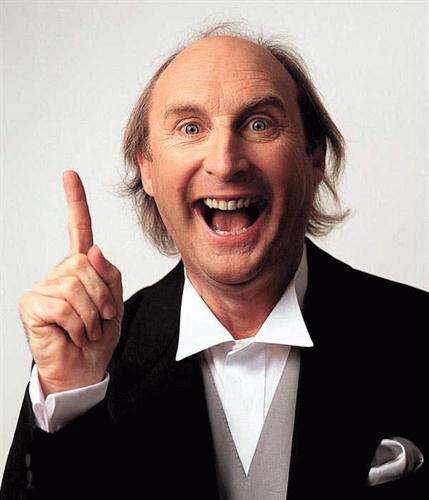
Otto Waalkes

Otto-WaalkesOtto Gerhard Waalkes (born 22 July 1948 in Emden, Germany) is a Frisian comedian and actor.

Otto Waalkes became famous in the early 70s by drawing little childish elephants he called Ottifants (‘Ottiphants’). Later, he went on tour, brandishing a guitar and accompanied by Ottifants. Later still he branched into film, shooting Otto: The Movie and a sextet of sequels. Two years ago he came out with the idea of transforming the fairytale Snow White and the Seven Dwarfs into the story of seven lads flat-sharing in the forest.

One of Germany’s most popular and influential comedians, Otto Waalkes has recorded a large number of hit comedy albums, starred in successful movies, written bestselling books, and drawn popular comics. Ever since he has risen to fame in the mid-’70s, he has been one of the country’s leading comedians and became a part of general pop culture: many of his sketches have become classics, and several of his phrases and jokes have become public catchphrases.

Otto_Waalkes

Waalkes’ Humor is based on puns and wordplay, silly-funny language, sounds and body language. A stylistic means of his lectures are parodies, such as revisions of popular songs, which he accompanies with a guitar.

Even after several years of little media attention in the ’90s, he managed to launch a comeback in the new millennium and continues to be a popular and respected figure in Germany’s comedy scene.

Otto is considered to be one of the most successful representatives of German humor. In 2007, Otto Waalkes took part in choosing the best German comedian in the ZDF.

And he was the winner of The 67th Bambi Awards that took place on 12 November 2015 in Stage Theater in Berlin.


You might also like:

  • Otto the Great and the Rise of the Ottonian Dynasty
    Otto the Great and the Rise of the Ottonian Dynasty
  • The Holy Roman Empire
    The Holy Roman Empire
  • German autobahn history
    The History of the Autobahn: From Bismarck to the…
  • Unification of Germany: How Bismarck Built a Nation from Blood and Iron
    The Unification of Germany: How Bismarck Built a…
  • Social Welfare in Germany: Bismarck’s Lasting Legacy
    Social Welfare in Germany: Bismarck’s Lasting Legacy
  • Otto von Bismarck: The Iron Chancellor
    Otto von Bismarck: The Iron Chancellor Who Forged a Nation
  • The Treaty of Verdun: How Charlemagne’s Empire Split and Europe Was Redrawn
    The Treaty of Verdun and the Division of…
  • Realpolitik Explained: Bismarck’s Art of Power
    Realpolitik Explained: Bismarck’s Art of Power

Recent Posts

Tipping in Germany: When, Where, and How Much

Rules for Tourists in Germany

What Not to Do in Germany: Mistakes Tourists Make

Are German stereotypes true?

German Stereotypes: What’s True and What’s Not

German work culture has many strength

German Work Culture: What Makes It So Different?

Why is German culture so efficient

Why Is German Culture So Efficient? The Secrets Behind It

Modern Germany is one of the most diverse countries in Europe.

What Do Germans Think of Foreigners? The Truth Explained

Foundation of German Culture

German Values and Beliefs: What Shapes Daily Life

German friendliness just looks different.

Are Germans Friendly or Rude? Breaking the Stereotype

Copyright © 2026 · German Culture

Go to mobile version