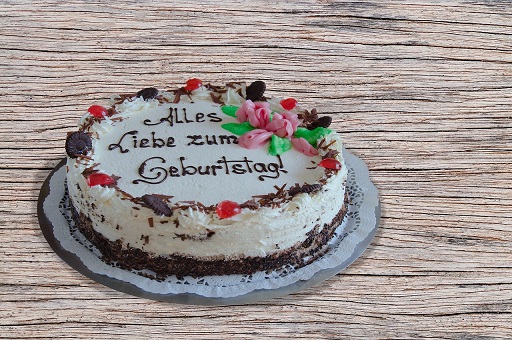
Birthdays are celebrated around the world, but Germany brings its own set of traditions, superstitions, and quirky customs to the occasion – some of which surprise even seasoned travelers. From an almost sacred rule about early congratulations to elaborate public pranks reserved for milestone ages, German birthday culture reveals a lot about the country’s values: order, symbolism, community, and a good sense of humor once you get to know it. Here’s a closer look at what makes birthdays in Germany distinctly, and sometimes hilariously, different.
The Golden Rule: Never Congratulate Someone Early
If there’s one birthday custom every visitor to Germany should know before anything else, it’s this: never wish someone “Happy Birthday” before their actual birthday. This isn’t a minor faux pas – it’s considered genuinely bad luck, rooted in older superstitions that congratulating someone prematurely could invite misfortune before the day even arrives.
The superstition is taken seriously enough that Germans will often correct a well-meaning friend who says “Happy Birthday” a day early, sometimes with a half-joking warning like “that’s bad luck!” Even birthday cards are typically not opened or displayed until the actual date. If you’re planning a surprise party or want to send a card ahead of time, the safest approach is to make sure any spoken or written congratulations are timed for midnight or the day itself – not before.
Milestone Birthdays and Public Pranks
While turning 18 or 21 might be the big milestone in other countries, Germany has its own set of “special” ages that come with unique – and sometimes elaborate – customs, particularly the 18th, 30th, and 50th birthdays.
Turning 18: Legal Adulthood
Turning 18 in Germany marks legal adulthood, granting the right to vote, drive independently, and drink alcohol without restriction (beer and wine are actually legal at 16, but spirits require reaching 18). Families often mark this birthday with a larger celebration than usual, sometimes including a formal toast or speech acknowledging the transition into adulthood.
Turning 30 and Single: Torwandschießen and Public Tasks
One of the most distinctive German customs is reserved for those who reach their 30th birthday while still unmarried. Friends may organize a playful – and very public – challenge as a good-natured tease about the person’s single status.
For men, a popular tradition involves Torwandschießen, where the birthday person must kick a certain number of soccer balls through a small target (a “Torwand,” or goal wall) in a public square, often needing help from passersby to complete the task, sometimes accompanied by chants or songs.
For women, an equally public custom is Schuhe putzen (shoe cleaning), where the woman must polish or clean the shoes of strangers passing by in a public place, sometimes using a toothbrush, until she collects enough small favors, kisses on the cheek, or simply completes a set number of shoes.
These customs vary by region and are more common in certain parts of Germany than others, but where practiced, they’re taken in good humor – a communal, if slightly embarrassing, rite of passage.
Turning 50: The “Torture” Tradition
Turning 50 comes with its own regional customs, often referred to as “Fuhre” or involving playful “torment” from friends and family. In some traditions, the birthday person may be symbolically “punished” for reaching this milestone – for example, being made to complete silly tasks, having their front garden or house decorated with toilet paper or humorous decorations overnight, or being presented with a mock gravestone or symbolic items poking fun at aging. While it might sound harsh to outsiders, these customs are affectionate rather than mean-spirited, usually organized by close friends and family as a loving send-off into a new decade.
Birthday Trees: A Symbol of Milestone Celebrations
In parts of Germany, particularly in rural or small-town settings, a person’s milestone birthday – often the 18th, 30th, or 50th – might be marked by friends secretly planting or decorating a birch tree (Geburtstagsbaum) in the person’s yard the night before, often decorated with ribbons, bottles, or personal items. This tradition, similar in spirit to the “May tree” custom associated with romantic declarations, serves as a public, visible mark of celebration and affection from the community.
Who Pays? The Host Buys the Cake
One custom that often surprises visitors from cultures where friends or family typically organize a party for the birthday person is this: in Germany, it’s usually the birthday person who is expected to host and provide treats for others, not the other way around. This applies at work, in social circles, and even in some school settings.
At the office, it’s common for the person celebrating a birthday to bring in cake, pastries, or snacks to share with colleagues.
Among friends, the birthday person often hosts the gathering and covers at least part of the food and drink, rather than expecting to be treated.
This reflects a broader cultural value around not wanting to burden others and taking responsibility for one’s own celebration, though friends will usually still bring gifts.
Birthday Songs and Rituals
Germany has its own traditional birthday song, “Zum Geburtstag viel Glück,” sung to the same tune as “Happy Birthday to You” but with different lyrics, often followed by a more elaborate traditional song called “Hoch soll er/sie leben” (roughly, “long may they live”), which is sung enthusiastically at family gatherings, particularly for milestone birthdays.
Blowing out candles on a cake and making a wish is common, much like in many other cultures, though the specific number of candles and rituals around them can vary by family and region.
Gift-Giving Etiquette
German gift-giving on birthdays tends to be thoughtful but practical rather than extravagant. Common gifts include books, wine, flowers, or something tied closely to the recipient’s specific interests. Extremely expensive or ostentatious gifts, especially among casual acquaintances or coworkers, can feel excessive or even uncomfortable given the cultural preference for modesty and practicality.
When invited to a birthday celebration, arriving with a small gift, flowers (an odd number, unwrapped or wrapped, but never given in even numbers, which are associated with funerals), or a bottle of wine is generally seen as appropriate and appreciated.
Regional Variations
Like much of German culture, birthday customs vary significantly by region. Southern Germany and Austria, for instance, have somewhat different milestone traditions than the north, and rural areas tend to preserve more elaborate customs – like tree planting or public pranks – than large cities, where birthdays might be celebrated more simply with dinner among friends.
German birthday traditions offer a fascinating window into the culture’s blend of superstition, humor, community spirit, and personal responsibility. From the deeply held rule against early congratulations to the good-natured public antics reserved for turning 30, these customs show that beneath Germany’s reputation for order and formality lies a genuine appreciation for celebration, connection, and marking life’s milestones – often with a wink and a healthy dose of humor. Whether you’re celebrating your own birthday in Germany or attending a German friend’s celebration, understanding these customs will help you join in the festivities with confidence, and maybe even a soccer ball or shoe brush in hand.