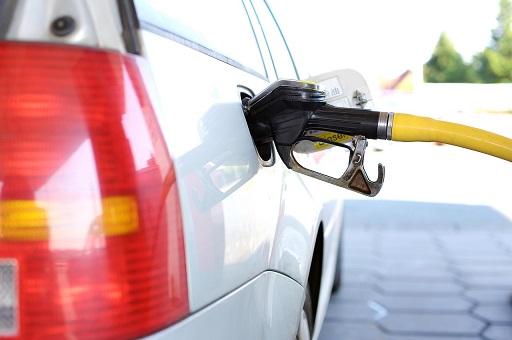
A friend of mine ran out of gas on the Autobahn once, coasted onto the shoulder with about two hundred meters to spare, and got a knock on the window from a very unimpressed police officer within about ten minutes. He wasn’t speeding. He wasn’t driving badly. He’d simply misjudged his fuel gauge, and in Germany, that’s apparently enough to get you fined, because running out of gas on the Autobahn is treated as preventable negligence rather than an accident. It’s one of those strange German laws that sounds like a joke until you’re the one standing on the side of a highway explaining yourself.
Germany has a reputation for order and precision, and its legal code lives up to that reputation in some genuinely unexpected ways. A lot of these rules exist for reasons that make sense once you understand the history or the values behind them. Others are just delightfully odd. Here’s a closer look at some of the strangest laws still on the books, and what’s actually true versus what’s gotten exaggerated online.
You Can Get Fined for Addressing a Police Officer Informally
German has two ways of saying “you”: the formal “Sie” and the informal “du.” Mixing them up with friends is a social misstep. Mixing them up with a police officer can technically cost you money.
Addressing an officer with “du” instead of “Sie” can be interpreted as disrespectful under certain circumstances, and combined with the tone or context, it’s occasionally treated as an insult toward a public official, which carries a real fine under German law. In practice, officers generally aren’t hunting for reasons to cite tourists over grammar. But it’s a good reminder that formality in Germany isn’t just a social nicety. It has legal teeth in specific situations.
Running Out of Gas on the Autobahn Is Illegal
Back to my friend’s unfortunate afternoon: stopping on the Autobahn is only permitted in genuine emergencies, and German law doesn’t consider an empty tank a genuine emergency. It’s classified as something the driver should have prevented, which means a stalled car from fuel neglect can result in a fine of up to seventy euros, on top of whatever roadside assistance costs to get moving again.
The logic isn’t arbitrary. Cars stopping unexpectedly on a highway with no universal speed limit is a serious hazard, and the law is written to put the responsibility squarely on drivers to plan ahead.
Sundays Come With Their Own Rulebook
Sunday quiet, known as Ruhetag, is protected by law in a way that surprises a lot of visitors. Loud household activities like mowing the lawn, vacuuming, drilling into walls, or running power tools are restricted on Sundays and public holidays in most German states, with specific quiet hours enforced during the week as well.
This extends into apartment living too. Practicing a musical instrument in a rental building is typically only allowed during set hours, often something like eight in the morning to noon and two to eight in the evening, based on rulings from Germany’s Federal Court of Justice. Show up with a drum kit and inconsistent practice habits, and a neighbor complaint can turn into an actual legal issue, not just an awkward conversation in the stairwell.
There’s genuine cultural logic underneath this. Germans place a high value on shared rest and predictable quiet, and these laws essentially codify that expectation rather than leaving it to informal neighborly negotiation.
Washing Your Car in the Driveway Can Get You Fined
In many German municipalities, washing your car at home, on the street or in your own driveway, is restricted or outright banned unless you’re using a designated car wash facility with proper drainage. The reasoning ties back to environmental protection: soap, oil residue, and other runoff from a home car wash can end up in the groundwater or storm drains untreated, which German environmental regulations take seriously.
It’s a small example of a bigger pattern. A lot of Germany’s “strange” laws aren’t strange once you realize they’re downstream of the country’s strong environmental and public health standards.
Winter Tires Aren’t Optional
Germany doesn’t mandate winter tires on a fixed calendar date, but it does require “situational” winter tire use, meaning if road conditions involve snow, ice, or slush, driving without appropriate tires is illegal regardless of the time of year. In practice, most drivers switch to winter tires roughly from October through Easter, since that’s when conditions are most likely to require them, and getting caught without them during bad weather can result in a fine and points against your license.
A Pillow Can Legally Count as a Weapon
This one sounds invented, but it holds up: in certain legal contexts, particularly domestic disputes, an object used to cause harm, even something as ordinary as a pillow used to smother or restrain someone, can be classified as a passive weapon in a criminal case. It’s not about the object itself being inherently dangerous. German law focuses on how an object is used in the act, which means almost anything can technically become a “weapon” in the eyes of a court depending on the circumstances.
The Myth of the Windowless Office Ban
Here’s one worth debunking, since it circulates constantly in “weird German laws” lists: there is no law guaranteeing German workers a window in their office. What actually exists is a workplace regulation requiring offices to be adequately ventilated and kept at a reasonable temperature, which can be satisfied through air conditioning rather than a literal window. Somewhere along the way, this got flattened into “windows are legally required,” which isn’t accurate. It’s a good example of why some of these viral law lists need a closer look before you repeat them at a dinner party.
Why Germany’s Legal Code Reads Like This
A pattern shows up across most of these laws once you step back: order, environmental responsibility, and respect for shared space and public institutions. Even the ones that sound like overreach, fining someone for calling a cop “du,” restricting a Sunday lawnmower session, tend to trace back to values Germans take seriously in everyday life, not just in the legal code. It’s less about strict bureaucracy for its own sake and more about a country that’s decided certain expectations deserve to be written down rather than left to assumption.
A Few Practical Tips for Visitors and Newcomers
Carry identification with you in Germany, since it’s a legal requirement to be able to produce ID if asked, even for short trips or errands. Keep an eye on your fuel gauge on long Autobahn stretches, and don’t assume a quiet Sunday afternoon is a good time for home renovation projects if you’re staying in an apartment building. None of these rules are designed to trip up visitors specifically. They’re simply part of daily life in Germany, and knowing them ahead of time saves you an unnecessary fine or an uncomfortable conversation with a neighbor.
FAQ
Is it really illegal to run out of gas on the Autobahn in Germany? Yes. Stopping on the Autobahn is only permitted for genuine emergencies, and running out of fuel is treated as preventable negligence, which can result in a fine.
Can you actually get fined for calling a police officer “du”? In certain contexts, yes. Addressing an officer informally can be treated as disrespectful toward a public official, which carries a legal penalty depending on the situation.
Is it true that German offices are legally required to have windows? No. This is a common misconception. The actual regulation only requires adequate ventilation and temperature control, which air conditioning can satisfy.
Why are Sundays so restricted in Germany? Sunday quiet laws, known as Ruhetag, are meant to protect shared rest time in residential areas, restricting loud activities like lawn mowing, vacuuming, and construction noise.