Immanuel Kant Quotes – Wisdom from the Father of Modern Philosophy
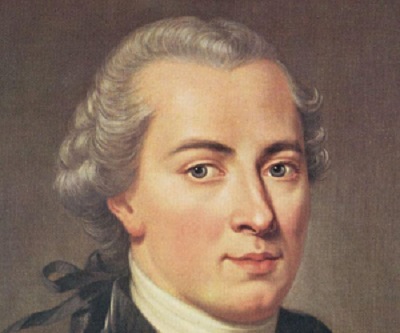
Immanuel Kant didn’t just redefine philosophy—he revolutionized it. The 18th-century German thinker changed how we understand knowledge, ethics, and human autonomy. But his writing, while profound, is famously dense. That’s why Kant’s most powerful ideas often shine brightest in his quotes—compact insights that reveal his deep concern with reason, morality, and freedom.
This collection of Immanuel Kant quotes highlights some of his most influential thoughts on duty, enlightenment, metaphysics, and human dignity. Whether you’re a philosophy student or simply curious about how one man reshaped modern thought, these quotes provide a gateway into Kant’s enduring legacy.
On Reason and Enlightenment
“Sapere aude! Dare to know! Have the courage to use your own understanding.”
This rallying cry of the Enlightenment encapsulates Kant’s belief that true freedom begins with intellectual independence. It’s a call to reject dogma and think for yourself.
“Enlightenment is man’s emergence from his self-imposed immaturity.”
Here, Kant defines Enlightenment not as an era, but as an attitude—a willingness to question, explore, and act without relying on others to think for us.
On Morality and Duty
“Act only according to that maxim whereby you can at the same time will that it should become a universal law.”
Kant’s categorical imperative—his cornerstone of moral philosophy—asks us to treat others as ends in themselves, never merely as means. It’s one of the most famous ethical principles in Western philosophy.
“Two things fill the mind with ever-increasing wonder and awe… the starry heavens above me and the moral law within me.”
This line bridges the cosmic and the personal. For Kant, the universe’s grandeur is matched only by our inner capacity for ethical reasoning.
“In law, a man is guilty when he violates the rights of others. In ethics, he is guilty if he only thinks of doing so.”
Kant emphasizes the weight of intention and internal moral awareness—a clear break from purely consequentialist thinking.
On Freedom and Human Dignity
“Freedom is the alone unoriginated birthright of man, and belongs to him by force of his humanity.”
Kant grounded human dignity in our rational capacity to make moral choices. For him, autonomy was the foundation of both ethics and political rights.
“Out of the crooked timber of humanity, no straight thing was ever made.”
A famously humble reflection. Despite his lofty ideals, Kant recognized the complexity—and fallibility—of human nature.
On Knowledge and Perception
“Thoughts without content are empty, intuitions without concepts are blind.”
Kant believed that knowledge arises from the interaction of perception (intuition) and understanding (concepts). Neither alone can produce true insight.
“Science is organized knowledge. Wisdom is organized life.”
A succinct reminder that knowing is not enough; living well requires synthesis, judgment, and perspective.
Kant’s quotes distill some of the most complex and nuanced ideas in all of philosophy into phrases that still inspire critical thinking, ethical reflection, and a profound respect for human dignity. His legacy lives on not only in academic circles but also in the values that underpin modern democracy and civil society.
Want to understand the mind behind these quotes more deeply? Explore our full article on Immanuel Kant and how he reshaped the Enlightenment and beyond.