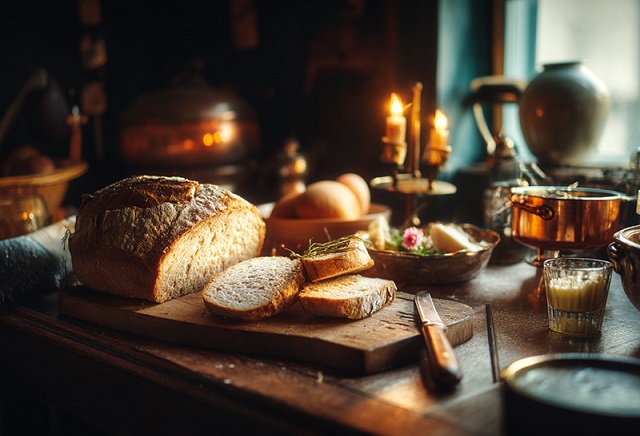
In Germany, dinner isn’t always a hot, heavy affair. Enter Abendbrot– literally “evening bread” – a cherished tradition that brings families together around a table of hearty bread, sliced meats, cheeses, and conversation. Simple? Yes. But it’s also a reflection of cultural values: practicality, routine, and the joy of good company.
This article explores the history, customs, and modern role of Abendbrot in German life. Whether you’re curious about German food culture or looking to bring a bit of Gemütlichkeit into your own evenings, this is the meal to know.
What Is Abendbrot?
Abendbrot refers to a cold evening meal centered around bread and spreads. Unlike the hot dinners common in other countries, Abendbrot is more akin to a rustic picnic served at the kitchen table. A typical spread includes:
Slices of fresh rye or sourdough bread
Assorted cheeses (like Gouda or Butterkäse)
Cold cuts (ham, salami, liverwurst)
Pickles, tomatoes, cucumbers, or radishes
Butter, mustard, or herb spreads
Bread takes center stage at Abendbrot, and its importance can’t be overstated. German bread culture is internationally celebrated for its diversity and craftsmanship. For a deeper look at the role of bread in German life, visit our feature on German Bread – The Heart of Germany’s Baking Culture.
Sometimes, a warm element like a soft-boiled egg or soup is added, but the heart of the meal remains cold and bread-based.
A Brief History of Abendbrot
The tradition of Abendbrot dates back to the 19th century, when midday was the main hot meal for most working families. After a long day of labor, a lighter supper of bread and toppings was easy to prepare and digest. Over time, this custom became ingrained in German family life.
In post-war Germany, the ritual of gathering at the table for Abendbrot was a way to maintain structure and togetherness in daily life. Even today, many Germans continue the tradition, especially during the workweek.
Cultural Significance
While it may seem simple, Abendbrot carries cultural weight. It embodies the value Germans place on routine, order, and family. Sitting together for Abendbrot is about more than food – it’s about connection.
The meal also reflects a frugal, no-fuss approach to nourishment. It favors quality ingredients over elaborate preparation and celebrates local produce, dairy, and bakery culture. German bread, in particular, is more than a side item – it’s a cultural artifact passed down through generations.
Modern Variations
Contemporary households might tweak the traditional formula:
Vegetarian and vegan spreads like hummus, lentil pâté, or avocado are common
International additions like olives or feta cheese are welcomed
Bread options now include gluten-free or spelt-based varieties
Still, the essence remains unchanged: a casual, communal meal that winds down the day.
How to Host an Abendbrot at Home
Recreating Abendbrot is easy and requires little cooking:
Choose your bread: Go for dense, flavorful loaves – rye, multigrain, or sourdough. Try exploring lesser-known German types like Mischbrot or Sonnenblumenbrot from our German Bread Recipes collection.
Pick your toppings: Mix cold cuts, cheeses, spreads, and raw veggies.
Set the mood: Dim lighting, a shared table, and phones set aside.
Serve drinks: Herbal tea, a light beer, or sparkling water complete the meal.
Don’t worry about plating everything perfectly. Abendbrot is about comfort, not culinary showmanship.
Abendbrot isn’t just a meal – it’s a cultural ritual that invites simplicity, balance, and social connection into the evening hours. Whether you’re German or not, there’s something universally appealing in the idea of ending your day with a table full of bread, spreads, and people you care about.