German Culture

All about Germany

  • Home
  • Learn German
    • German Language Basics
    • German Grammar & Vocabulary
    • German Learning Tips
    • German Idioms & Expressions
    • German Quizzes & Exercises
  • Articles
    • Famous Germans
    • German Holidays
    • German Cuisine
    • How To In Germany
    • Daily Life in Germany
    • German Facts
    • German Traditions
  • Facts About Germany
  • German History
    • Early History of Germany
    • Middle Ages in German History
    • German Reformation Period
    • 19th Century and German Unification
  • German Recipes
    • German Baking Recipes
    • German Bread Recipes
    • German Christmas Recipes
    • Desserts
    • German Easter Recipes
    • Halloween Recipes
    • Main Dishes
    • German Salad Recipes
    • German Salads
    • Sauerkraut Recipes
  • Travel to Germany
  • Contact

Resistance to Lutheranism in Germany

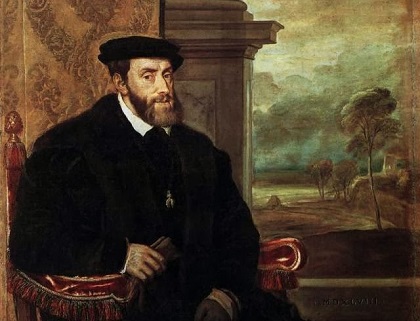
Carlos VAlthough Lutheranism had powerful supporters, its survival was by no means certain. Its main opponent was the Habsburg emperor Charles V, who had inherited Spain, the Netherlands, southern Italy, Sicily, and the Austrian lands as patrimony and who hoped to restore the unity of the German Empire by keeping it Roman Catholic.

Charles had been out of Germany between 1521 and 1530, and when he returned he found that the new religion had won too many adherents to be easily uprooted. In addition, he could not devote himself single-mindedly to combating it but also had to struggle with powerful external enemies. One was Francis I (r. 1515-47) of France, who attacked the empire from the west, having resolved to destroy the power of the Habsburgs. Another threat was posed by the Turks, who were attacking the empire from the east. Even the papacy at times conspired against its coreligionist because it feared Charles was becoming too powerful.

Within Germany, forces were also arrayed against Charles. In 1531 Protestant leaders created the League of Schmalkalden to oppose him. By 1545 northeastern and northwestern Germany and large parts of southern Germany had become Protestant. Despite the significant victory over the Protestants at the Battle of Mühlberg in 1547, Charles still was not powerful enough to impose his will on the German princes.


Related articles:
Martin Luther
The Protestant Reformation
The Peace of Augsburg

You might also like:

  • The Holy Roman Empire
    The Holy Roman Empire
  • The Thirty Years’ War
    The Thirty Years’ War and Its Impact on Germany
  • The Treaty of Verdun: How Charlemagne’s Empire Split and Europe Was Redrawn
    The Treaty of Verdun and the Division of…
  • Charlemagne and the Carolingian Empire: Shaping Medieval Europe
    Charlemagne and the Carolingian Empire
  • The Rise of the Franks: From Tribes to Empire
    The Rise of the Franks
  • The Golden Bull of 1356: Germany’s Medieval Constitution
    The Golden Bull of 1356
  • Otto the Great and the Rise of the Ottonian Dynasty
    Otto the Great and the Rise of the Ottonian Dynasty
  • The Migration Period: Germanic Tribes on the Move
    The German Migration Period (Völkerwanderung)

Recent Posts

Are German stereotypes true?

German Stereotypes: What’s True and What’s Not

German work culture has many strength

German Work Culture: What Makes It So Different?

Why is German culture so efficient

Why Is German Culture So Efficient? The Secrets Behind It

Modern Germany is one of the most diverse countries in Europe.

What Do Germans Think of Foreigners? The Truth Explained

Foundation of German Culture

German Values and Beliefs: What Shapes Daily Life

German friendliness just looks different.

Are Germans Friendly or Rude? Breaking the Stereotype

Why Germans value rules so highly

Why Do Germans Love Rules? Ordnung Explained

Examples of German Directness

Why Are Germans So Direct? Understanding Blunt Communication

Copyright © 2026 · German Culture

Go to mobile version