German Culture

All about Germany

  • Home
  • Learn German
    • German Language Basics
    • German Grammar & Vocabulary
    • German Learning Tips
    • German Idioms & Expressions
    • German Quizzes & Exercises
  • Articles
    • Famous Germans
    • German Holidays
    • German Cuisine
    • How To In Germany
    • Daily Life in Germany
    • German Facts
    • German Traditions
  • Facts About Germany
  • German History
    • Early History of Germany
    • Middle Ages in German History
    • German Reformation Period
    • 19th Century and German Unification
  • German Recipes
    • German Baking Recipes
    • German Bread Recipes
    • German Christmas Recipes
    • Desserts
    • German Easter Recipes
    • Halloween Recipes
    • Main Dishes
    • German Salad Recipes
    • German Salads
    • Sauerkraut Recipes
  • Travel to Germany
  • Contact

Frühlingsgemüse – Traditional German Spring Vegetables Recipe


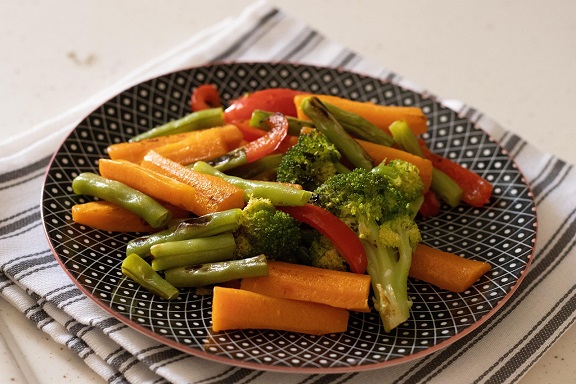
Frühlingsgemüse, or “spring vegetables,” is a light, vibrant side dish made with the freshest produce of the season. Typically served with Easter roasts, salmon, or schnitzel, it features tender carrots, green beans, peas, and sometimes asparagus or kohlrabi.

This dish celebrates Saisonküche—Germany’s focus on cooking with what’s fresh and local. With just a bit of butter or herbs, the natural sweetness of spring vegetables shines through, offering a bright contrast to richer holiday mains.

History & Cultural Significance

German spring cuisine is all about simplicity, freshness, and honoring the new growing season. After the heartier dishes of winter, Frühlingsgemüse offers a welcome lightness. It’s commonly served at Easter brunches, spring lunches, or alongside roasted meats during family gatherings.

Vegetables like sugar snap peas, asparagus, carrots, and young potatoes are all common in this dish. Many recipes vary based on regional produce and personal preference, but the goal is always the same: highlight the flavor of the season with minimal fuss.

Looking for more spring favorites? Try Spargelsalat or Lachs mit Senfsauce.

Ingredients & Preparation

Ingredients

  • 2 carrots, sliced
  • 100g (1 cup) green beans, trimmed
  • 100g (1 cup) peas (fresh or frozen)
  • Optional: 100g white asparagus or kohlrabi, peeled and sliced
  • 1 tbsp butter
  • Salt and pepper, to taste
  • 1 tbsp chopped parsley or dill
  • Optional: 1 tsp lemon juice or zest

How to Make Frühlingsgemüse
Bring a pot of salted water to a boil. Add carrots and cook for 3 minutes, then add green beans and cook for another 4–5 minutes, followed by peas for the final 2 minutes. If using asparagus or kohlrabi, add according to thickness.
Drain the vegetables and immediately rinse under cold water to preserve color.
In a large pan, melt butter. Add the drained vegetables and sauté gently to reheat. Season with salt, pepper, herbs, and optional lemon zest or juice. Toss to coat and serve warm.

Serving Suggestions & Variations

How to Serve
Frühlingsgemüse makes a perfect side for:

  • Osterlammbraten (Easter lamb)
  • Lachs mit Senfsauce
  • Easter ham or roast chicken
  • Kartoffelsalat or boiled potatoes

Variations
Some versions include a spoonful of crème fraîche or white sauce for creaminess. In Baden, a bit of nutmeg or mustard seed may be added. Add young potatoes for a more filling dish or top with toasted breadcrumbs for texture.

Explore more spring sides with Rotkohl or Spargel mit Sauce Hollandaise.

Frühlingsgemüse is the ultimate German spring side dish—simple, seasonal, and full of fresh flavor. Whether part of your Easter feast or a light weeknight meal, this colorful medley brings the taste of spring to your table.
Pair it with other Easter favorites like Osterbraten, Spargelsalat, or Osternest-Kekse for a balanced and festive spread.

You might also like:

  • Spargelsalat Recipe – German White Asparagus Salad
    Spargelsalat – Traditional German White Asparagus…
  • German Salmon with Mustard Sauce Recipe
    Lachs mit Senfsauce – German Salmon with Mustard…
  • Osterbraten – Traditional German Easter Roast Recipe
    Osterbraten – Traditional German Easter Roast Recipe
  • Rotkohl Recipe – Traditional German Braised Red Cabbage
    Rotkohl – Traditional German Braised Red Cabbage Recipe
  • Oster Lammbraten Recipe – Traditional German Easter Roast Lamb
    Oster Lammbraten – Traditional German Roast Lamb…
  • Hase in Rotweinsauce Recipe – German Rabbit in Red Wine Sauce
    Hase in Rotweinsauce – Traditional German Rabbit in…
  • Spargelsalat Recipe – Classic German Asparagus Salad
    Spargelsalat – Traditional German Asparagus Salad Recipe
  • German Easter Ham with Mustard Glaze
    Easter Ham with Mustard Glaze – Traditional German…

Recent Posts

Are German stereotypes true?

German Stereotypes: What’s True and What’s Not

German work culture has many strength

German Work Culture: What Makes It So Different?

Why is German culture so efficient

Why Is German Culture So Efficient? The Secrets Behind It

Modern Germany is one of the most diverse countries in Europe.

What Do Germans Think of Foreigners? The Truth Explained

Foundation of German Culture

German Values and Beliefs: What Shapes Daily Life

German friendliness just looks different.

Are Germans Friendly or Rude? Breaking the Stereotype

Why Germans value rules so highly

Why Do Germans Love Rules? Ordnung Explained

Examples of German Directness

Why Are Germans So Direct? Understanding Blunt Communication

Copyright © 2026 · German Culture

Go to mobile version