German Culture

All about Germany

  • Home
  • Learn German
    • German Language Basics
    • German Grammar & Vocabulary
    • German Learning Tips
    • German Idioms & Expressions
    • German Quizzes & Exercises
  • Articles
    • Famous Germans
    • German Holidays
    • German Cuisine
    • How To In Germany
    • Daily Life in Germany
    • German Facts
    • German Traditions
  • Facts About Germany
  • German History
    • Early History of Germany
    • Middle Ages in German History
    • German Reformation Period
    • 19th Century and German Unification
  • German Recipes
    • German Baking Recipes
    • German Bread Recipes
    • German Christmas Recipes
    • Desserts
    • German Easter Recipes
    • Halloween Recipes
    • Main Dishes
    • German Salad Recipes
    • German Salads
    • Sauerkraut Recipes
  • Travel to Germany
  • Contact

February 9 in German History

February 9, 1834

Birth of Felix Dahn in Hamburg, Germany. Dahn was a professor of law at the universities of Munich, Würzburg and Berlin. In addition to his work in law he wrote histories and historical novels. Among his histories are Die Könige der Germanen (11 volumes), Die Urgeschichte der germanischen und romanischen Völker and Deutsche Geschichte von der Urzeit bis 843. His most popular novel was Ein Kampf um Rom.


February 9, 1846

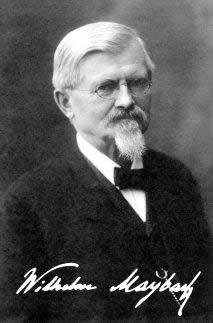
w-maybach

Birth of Wilhelm Maybach (1846-1929) in Heilbronn, Germany, chief designer of the first Mercedes automobiles. In partnership with Gottlieb Daimler he founded the Daimler-Motoren-Gesellschaft in 1890. In 1909 he and his son, Carl, founded a company to build aircraft engines and engines for Zeppelin’s lighter-than-air craft.

February 9, 1865

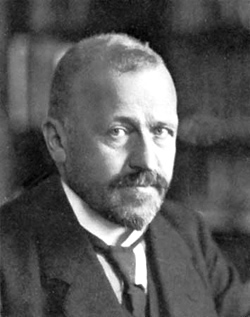
Drygalski

Birth of Erich Dagobert von Drygalski (1865-1949) in Königsberg, Germany (now in Russia). A geographer and glaciologist, Drygalski led an expedition to the Antarctic from 1901-1903 and published the results of the findings in Deutsche Südpolar-Expedition 1901-1903. The 20 volume work appeared between 1905 and 1931. Drygalski was a professor at the University of Munich.

February 9, 1885

Birth of Alban Berg in Vienna, Austria. Berg was a composer, a student of Arnold Schoenberg. He composed primarily instrumental music, but is broadly known for his two operas, Wozzeck and Lulu. The text of Wozzeck is adapted from Georg Büchners Woyzeck and that of Lulu from the work of Frank Wedekind. Berg’s music in all formats is atonal and chromatic.

February 9, 1988

Death of Kurt Adler in Ross, California (born in Vienna, Austria). After study at the Vienna Academy of Music, the Vienna Conservatory and the University of Vienna, Adler became a leading conductor at various locations in Europe. In 1938 he immigrated to the United States and accepted a position with the Chicago Opera. In 1943 he moved to the San Francisco Opera and was responsible for transforming that company from regional status to a leading opera company.
Back to Today in German History Calendar

You might also like:

  • How the German Pension System Works
    How the German Pension System Works (And Who Really…
  • German cars
    Why Do Germans Love Their Cars? A Cultural Analysis…
  • The 1848 Revolutions in Germany
    The 1848 Revolutions in the German States
  • German names
    How German Names Work: Surnames, Meanings & Traditions
  • Lost German Kingdoms
    Lost German Kingdoms: Forgotten States and Their…
  • Brandenburg gate
    All Facts About Germany: A Comprehensive Guide to…
  • Education in Germany
    German Universities and Their Global Influence
  • The Enlightenment in the German States: Reform, and Revolution
    The Enlightenment in the German States

Recent Posts

Are German stereotypes true?

German Stereotypes: What’s True and What’s Not

German work culture has many strength

German Work Culture: What Makes It So Different?

Why is German culture so efficient

Why Is German Culture So Efficient? The Secrets Behind It

Modern Germany is one of the most diverse countries in Europe.

What Do Germans Think of Foreigners? The Truth Explained

Foundation of German Culture

German Values and Beliefs: What Shapes Daily Life

German friendliness just looks different.

Are Germans Friendly or Rude? Breaking the Stereotype

Why Germans value rules so highly

Why Do Germans Love Rules? Ordnung Explained

Examples of German Directness

Why Are Germans So Direct? Understanding Blunt Communication

Copyright © 2026 · German Culture

Go to mobile version