Lost German Kingdoms: Forgotten States and Their Cultural Influence
Germany, as we know it today, is a product of centuries of political fragmentation, shifting borders, and unification efforts. Before Germany became a single nation-state in 1871, it was home to numerous kingdoms, duchies, principalities, and free cities. While some of these states merged into modern Germany, their cultural influence still lingers in architecture, traditions, dialects, and regional identities. This article explores some of the most influential lost German kingdoms, their histories, and how they shaped German culture today.
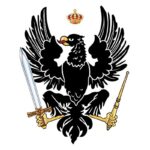
1. Kingdom of Prussia (1701–1918)
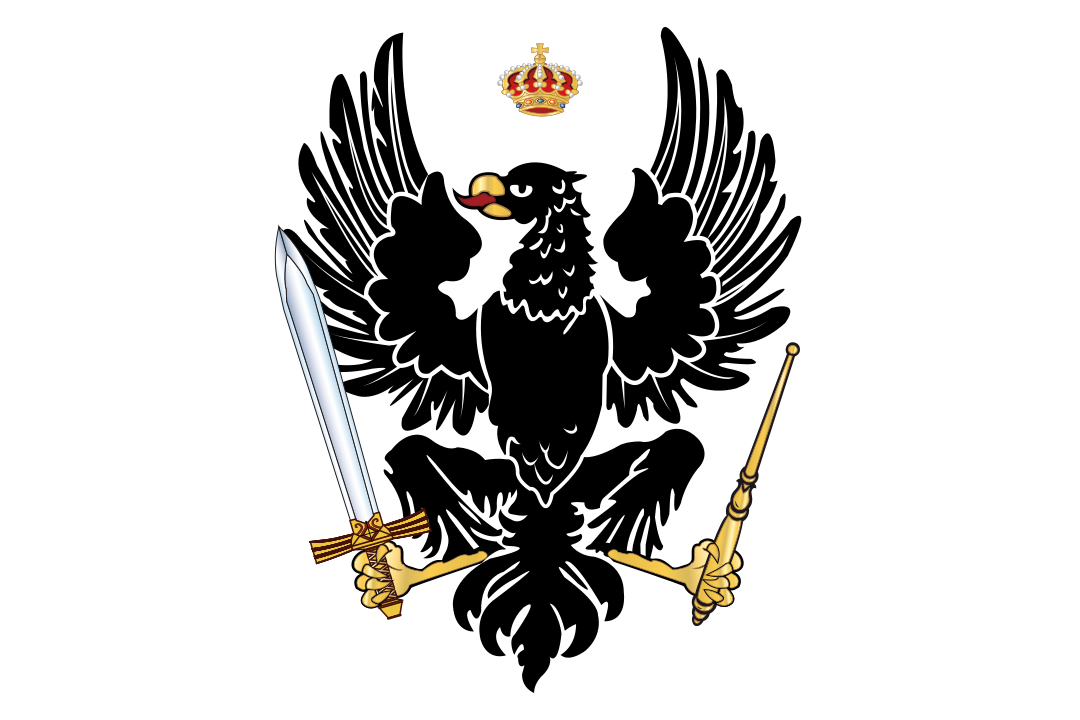
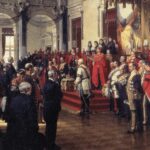
Perhaps the most famous of the lost German states, the Kingdom of Prussia played a key role in unifying Germany under Otto von Bismarck. Founded in 1701, Prussia was known for its military prowess, efficiency, and administrative discipline.
Cultural Influence: Prussian values of order, discipline, and bureaucracy still influence German governance today.
Architectural Legacy:The city of Berlin, once the Prussian capital, still has grand buildings like the Charlottenburg Palace and the Brandenburg Gate.
Modern Connection: The region once ruled by Prussia is now divided between Germany, Poland, and Russia (Kaliningrad).
2. Kingdom of Bavaria (1806–1918)
Bavaria, one of the most culturally distinct regions in Germany, was an independent kingdom before unifying with Germany in 1871.
Architectural Legacy: The Dresden Frauenkirche and Zwinger Palace showcase Saxony’s Baroque grandeur.
Modern Connection: The Saxon dialect and traditions remain distinct, particularly in cities like Leipzig and Dresden.
4. Kingdom of Württemberg (1806–1918)
Württemberg, located in southern Germany, was known for its strong agricultural economy and regional patriotism.
Cultural Influence: The region’s wine industry remains a key part of its heritage.
Architectural Legacy: The city of Stuttgart, Württemberg’s former capital, still features royal palaces and historic sites.
Modern Connection: Württemberg is now part of Baden-Württemberg, one of Germany’s wealthiest states.
5. Duchy of Mecklenburg (1348–1918)
The Duchy of Mecklenburg was an important maritime state in northern Germany, closely linked to the Hanseatic League.
Cultural Influence: The region’s fishing and shipbuilding traditions date back centuries.
Architectural Legacy: The Mecklenburg castles and manor houses are reminders of its noble past.
Modern Connection: The state of Mecklenburg-Vorpommern preserves much of its historical heritage.
6. The Free and Hanseatic Cities: Lübeck, Hamburg, and Bremen
While not kingdoms, the Hanseatic cities were powerful medieval trading hubs that functioned as independent city-states.
Cultural Influence: The Hanseatic League helped shape Germany’s economic landscape.
Architectural Legacy: The brick Gothic architecture of Lübeck and Hamburg is a reminder of their trading power.
Modern Connection: Hamburg and Bremen still hold special city-state status within Germany.
7. The Electorate of Hanover (1692–1814)
Hanover was an important state in northern Germany and even had a personal union with Great Britain when its kings ruled both territories.
Cultural Influence: The region has strong British connections, as seen in historical alliances.
Architectural Legacy:Herrenhausen Gardens in Hanover are one of the finest examples of Baroque garden design.
Modern Connection: Hanover remains an important cultural and business hub in Germany.
8. The Palatinate (Electoral Palatinate) (1085–1803)
The Palatinate, located along the Rhine River, was one of the most influential territories of the Holy Roman Empire.
Cultural Influence: The region is famous for its wine culture, producing some of Germany’s best wines.
Architectural Legacy: The Heidelberg Castle is a major tourist attraction today.
Modern Connection: The area is now part of Rhineland-Palatinate.
Although these German kingdoms no longer exist as independent entities, their cultural, political, and architectural legacies remain deeply embedded in modern Germany. Prussia’s disciplined governance, Bavaria’s vibrant traditions, and Saxony’s artistic contributions continue to influence the country’s identity today.
Want to learn more about Germany’s past? Check out our related articles: