German Culture

All about Germany

  • Home
  • Learn German
    • German Language Basics
    • German Grammar & Vocabulary
    • German Learning Tips
    • German Idioms & Expressions
    • German Quizzes & Exercises
  • Articles
    • Famous Germans
    • German Holidays
    • German Cuisine
    • How To In Germany
    • Daily Life in Germany
    • German Facts
    • German Traditions
  • Facts About Germany
  • German History
    • Early History of Germany
    • Middle Ages in German History
    • German Reformation Period
    • 19th Century and German Unification
  • German Recipes
    • German Baking Recipes
    • German Bread Recipes
    • German Christmas Recipes
    • Desserts
    • German Easter Recipes
    • Halloween Recipes
    • Main Dishes
    • German Salad Recipes
    • German Salads
    • Sauerkraut Recipes
  • Travel to Germany
  • Contact

July 24 in German History

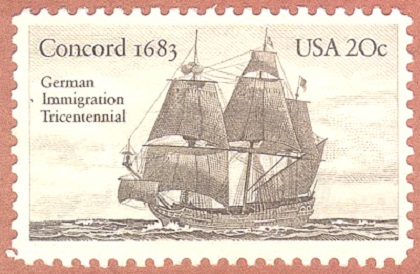
July 24, 1683

german-concord

The first German settlers leave for the USA on board the Concord. Originally from Krefeld in the Rhine Valley, they spent 73 days on the ship, crossing the ocean. Those 33 immigrants came at William Penn’s invitation and founded Germantown, then a city, now a neighborhood of Philadelphia. Their first mayor was a young lawyer from Frankfurt am Main, Franz Daniel Pastorius.

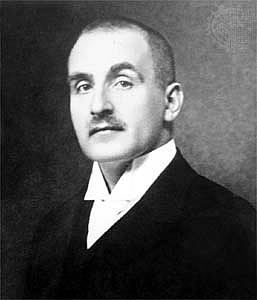
July 24, 1864

Birth of Frank Wedekind in Hannover, Germany. Wedekind was dramatist in the transition period between Realism and Expressionism with a foretaste of the Theater of the Absurd. Noted dramas by Wedekind include Frühlings Erwachen, Erdgeist, and Die Büchse der Pandora. His Lulu dramas inspired Alban Berg’s opera, Lulu.

July 24, 1896

Birth of Hermann Kasack in Potsdam, Germany. He was a German writer. He is best known for his novel Die Stadt hinter dem Strom (The City Beyond the River). Kasack was a pioneer of using the medium broadcast for literature. He published radio plays also under the pen names Hermann Wilhelm and Hermann Merten.
You might also like:

  • The German Diaspora: Where to Find German Culture Worldwide
    The German Diaspora: Where to Find German Culture Worldwide
  • Wine Tourism in Germany: How to Taste Like a Local
    Wine Tourism in Germany: How to Taste Like a Local
  • The History of German Emigration to America & Their Influence
    The History of German Emigration to America & Their…
  • Exploring the Rhine Valley: Castles, Riesling, and Wine Towns
    Exploring the Rhine Valley: Castles, Riesling, and Wine…
  • Mosel Magic: Germany’s Most Scenic River for White Wine Lovers
    Mosel Magic: Germany’s Most Scenic River for White Wine…
  • Wine Festivals in Germany
    Wine Festivals in Germany
  • Founding of Blumenau: German Roots in Brazil
    Founding of Blumenau: German Roots in Brazil
  • When to Visit German Wine Country: Seasons, Festivals, and Travel Tips
    When to Visit German Wine Country: Seasons, Festivals, and…

Recent Posts

The German Zeppelin represents far more than a transportation technology.

German Zeppelin: The Rise and Fall of Germany’s Giant Airships

Discover how the German Zeppelin worked

How the German Zeppelin Worked: Inside the Engineering of Airship Giants

Valentine’s Day in Germany: Love, History, and Traditions

Valentine’s Day in Germany: From American Import to Cultural Tradition

"Kinder, Küche, Kirche" functions primarily as a historical artifact and cautionary phrase

“Kirche, Küche, Kinder”: Germany’s Three K’s

Women and German Military Traditions

Women in German Army: Historical Evolution

Hindenburg disaster

The Death of the Hindenburg: The Catastrophe That Ended the Airship Era

German wedding Tracht represents the most meaningful ways modern couples honor their cultural heritage.

German Wedding Tracht: History and Cultural Meaning

The History of Traditional German Clothing

The History of Traditional German Clothing

Copyright © 2026 · German Culture

Go to mobile version