German Culture

All about Germany

  • Home
  • Learn German
    • German Language Basics
    • German Grammar & Vocabulary
    • German Learning Tips
    • German Idioms & Expressions
    • German Quizzes & Exercises
  • Articles
    • Famous Germans
    • German Holidays
    • German Cuisine
    • How To In Germany
    • Daily Life in Germany
    • German Facts
    • German Traditions
  • Facts About Germany
  • German History
    • Early History of Germany
    • Middle Ages in German History
    • German Reformation Period
    • 19th Century and German Unification
  • German Recipes
    • German Baking Recipes
    • German Bread Recipes
    • German Christmas Recipes
    • Desserts
    • German Easter Recipes
    • Halloween Recipes
    • Main Dishes
    • German Salad Recipes
    • German Salads
    • Sauerkraut Recipes
  • Travel to Germany
  • Contact

Maundy Thursday – Gründonnerstag

Also known as Holy Thursday, Maundy Thursday has been celebrated since the earliest days of the Christian Church.

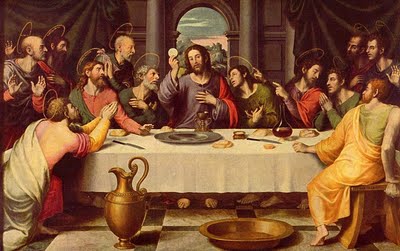
It commemorates Jesus’ last supper with his disciples and the institution of the Lord’s Supper and established the ceremony known as the Eucharist. The night of Maundy Thursday is the night on which Jesus was betrayed by Judas in the Garden of Gethsemane.

Holy Thursday is called Maundy Thursday from the old Latin name for the day, “Dies Mandatum,” i.e. “the day of the new commandment” referring to the command given by Christ at the Last Supper, that we should love one another, before he washed the feet of his disciples.

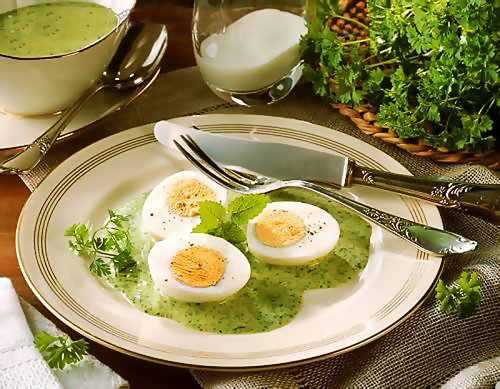
Preceding Good Friday, it also played a role in rural customs. A popular assumption is that it is called “green” Thursday because of the green vegetables, people eat on this Fastday, spinach being a favorite. In Germany, the tradition is to eat a big fresh salad, or anything green, like these amazing eggs in green Frankfurter sauce.


You might also like:

  • Why Germans Eat Green Food on Maundy Thursday (Gründonnerstag)
    Why Germans Eat Green Food on Maundy Thursday…
  • The Meaning of Ostern: Why Easter Matters in Germany
    The Meaning of Ostern: Why Easter Matters in Germany
  • German Easter Foods: Traditional Dishes for Ostern
    German Easter Foods: Traditional Dishes for Ostern
  • German Easter Markets: The Best Easter Celebrations in Germany
    German Easter Markets: The Best Easter Celebrations in…
  • How Germans Celebrate Easter: Regional Traditions & Customs
    How Germans Celebrate Easter: Regional Traditions &…
  • The Meaning of Osterfeuer: Germany’s Easter Fire Tradition
    The Meaning of Osterfeuer: Germany’s Easter Fire Tradition
  • Easter Egg Hunts in Germany: A Family Tradition with a Long History
    Easter Egg Hunts in Germany: A Family Tradition with a Long…
  • How to Say Happy Easter in German – Common Easter Greetings
    How to Say Happy Easter in German – Common Easter Greetings

Recent Posts

The History of Traditional German Clothing

The History of Traditional German Clothing

Krampus is the shadow to Saint Nicholas's light.

Krampus in Germany: Origins, Folklore, and Traditions

German Advent traditions, their history and customs.

Deep Guide to German Advent Traditions

How Lent Shaped German Culture

Lent in Germany: Traditions, History, and Rituals

Discover Spritzgebäck history, authentic ingredients, and step-by-step recipe

Spritzgebäck – A Traditional German Christmas Cookie

German Santa Claus - Weihnachtsmann

The German Santa Claus – Weihnachtsmann

Christkind tradition in Germany

Christkind in Germany

Kinderpunsch - The German Non-Alcoholic Holiday Punch

The Cozy Comfort of Kinderpunsch

Copyright © 2025 · German Culture

Go to mobile version