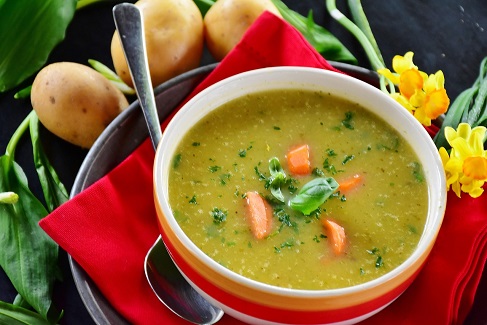
German potato soup, or Kartoffelsuppe, represents the heart of traditional German home cooking – a warming, substantial soup that transforms humble ingredients into deeply satisfying comfort food. This classic recipe appears on German tables year-round, equally welcome on cold winter evenings and as a light summer meal. Unlike some potato soups that rely heavily on cream, traditional German Kartoffelsuppe achieves its creamy consistency primarily from the potatoes themselves, with bacon or smoked sausage providing savory depth that makes this simple soup extraordinarily flavorful.
Every German family has their own Kartoffelsuppe recipe, passed down through generations with subtle regional variations. Some prefer their soup completely smooth and pureed, while others leave chunky pieces of potato and vegetables for textural contrast. Northern German versions might include more vegetables and lighter seasoning, while Bavarian variations often feature heartier additions like smoked sausage or bacon. This recipe represents a classic approach that balances creamy texture with substantial ingredients, creating a soup that works beautifully as either a starter or a complete meal.
Ingredients
For the Soup Base:
2 pounds (900g) starchy potatoes (such as Russet or Yukon Gold)
4 cups (1 liter) chicken or vegetable broth
1½ cups (375ml) water
1 large onion, finely diced
2 medium carrots, peeled and diced
2 celery stalks, diced
2 leeks (white and light green parts only), cleaned and sliced
2 tablespoons all-purpose flour (optional, for thickening)
For Serving:
Fresh parsley, chopped
Crème fraîche or sour cream (optional)
Crispy bacon bits (reserved from cooking)
Fresh chives, chopped
Crusty German bread or rolls
Instructions
Step 1: Prepare the Bacon or Sausage
In a large, heavy-bottomed pot or Dutch oven, cook the diced bacon over medium heat until crispy and the fat has rendered, about 6-8 minutes. If using smoked sausage instead, cook the sliced sausage until lightly browned. Remove the bacon or sausage with a slotted spoon and set aside, leaving the rendered fat in the pot. Reserve some of the crispiest bacon pieces for garnish.
Traditional Note: German cooks often use Speck (smoked bacon) or a piece of Wurst (smoked sausage) for authentic flavor. The rendered fat becomes the flavorful foundation of the soup.
Step 2: Sauté the Vegetables
In the same pot with the bacon fat, add the butter. Once melted, add the diced onion, carrots, celery, and leeks. Sauté over medium heat, stirring occasionally, until the vegetables begin to soften and the onion becomes translucent, about 8-10 minutes. Add the minced garlic and cook for another minute until fragrant.
Chef’s Tip: Don’t rush this step. Properly softened vegetables create a sweet, aromatic base that gives the soup depth of flavor. The vegetables should be tender but not browned.
Step 3: Add Potatoes and Broth
Peel the potatoes and cut them into ¾-inch cubes. Add them to the pot along with the chicken or vegetable broth, water, bay leaves, and marjoram. Bring the mixture to a boil over high heat, then reduce to a gentle simmer.
Season with salt and pepper (start with about 1 teaspoon of salt, as you can adjust later). Add a small pinch of nutmeg if using – this traditional German touch adds subtle warmth without being identifiable.
Step 4: Simmer Until Tender
Cover the pot partially and simmer for 20-25 minutes, or until the potatoes are completely tender and beginning to fall apart at the edges. Stir occasionally to prevent sticking. The potatoes should be soft enough to mash easily with a spoon.
Texture Note: For a chunkier soup, remove about one-third of the vegetables and potatoes at this point and set aside before proceeding to the next step. You’ll add them back later for textural contrast.
Step 5: Create Creaminess
This is where you decide on your preferred texture:
For Creamy-Smooth Soup: Use an immersion blender to puree the soup directly in the pot until completely smooth. Alternatively, carefully transfer about two-thirds of the soup to a blender, puree until smooth, and return it to the pot.
For Rustic-Chunky Soup: Use a potato masher to break down about half the potatoes, leaving plenty of chunks. Or remove 2-3 cups of soup, blend it smooth, then return it to the pot, leaving the remaining potatoes chunky.
For Traditional German Texture: Mash the potatoes directly in the pot with a wooden spoon or potato masher, creating a naturally creamy base with some texture remaining.
Step 6: Adjust Consistency and Seasoning
If the soup is too thick (it should be creamy but still pourable), add additional broth or water to reach your desired consistency. If it’s too thin, you can create a quick roux: melt 2 tablespoons of butter in a small pan, whisk in 2 tablespoons of flour, cook for 1 minute, then whisk this into the soup. Simmer for 5 more minutes to thicken.
Add the reserved bacon or sausage back to the soup. Taste and adjust seasoning with salt and pepper. The soup should be well-seasoned and savory.
If you removed vegetables earlier for a chunky soup, add them back now and heat through.
Step 7: Serve
Remove the bay leaves. Ladle the hot soup into bowls. Garnish each serving with a dollop of crème fraîche or sour cream, a sprinkle of fresh chopped parsley and chives, and the reserved crispy bacon bits.
Serve immediately with crusty German bread, rye bread, or fresh rolls for dipping.
Recipe Notes and Variations
Potato Selection: Starchy potatoes like Russets or Yukon Golds work best for Kartoffelsuppe because they break down easily, creating the creamy texture that defines this soup. Waxy potatoes will remain too firm and won’t create the same consistency.
Vegetarian Version: Omit the bacon and use vegetable broth. Replace the bacon fat with 3 tablespoons of butter or olive oil for sautéing. Add smoked paprika (½ teaspoon) to provide some of the smoky depth that bacon usually contributes.
Vegan Adaptation: Follow the vegetarian version, using olive oil instead of butter. Skip the crème fraîche garnish or use a plant-based alternative.
Regional Variations:
Bavarian Style: Add diced smoked sausage (Wurst) along with or instead of bacon, and include a splash of beer for depth.
Rhineland Style: Add a tablespoon of white wine vinegar at the end for subtle tanginess.
Saxon Style: Include diced turnips along with the other root vegetables for additional earthy flavor.
Make-Ahead Instructions: This soup actually improves after a day in the refrigerator as flavors meld. Store in an airtight container for up to 4 days. The soup will thicken as it sits – simply add broth or water when reheating to restore desired consistency.
Freezing: Kartoffelsuppe freezes well for up to 3 months. Freeze in portion-sized containers. Thaw overnight in the refrigerator and reheat gently, adding liquid as needed. The texture may be slightly grainier after freezing, but the flavor remains excellent.
Serving Suggestions
German potato soup is wonderfully versatile:
As a Starter: Serve in small bowls before a main course of schnitzel, sauerbraten, or roasted meats. The soup’s richness complements but doesn’t overwhelm the meal to follow.
As a Main Course: Serve generous portions with plenty of crusty bread, a simple green salad, and perhaps some pickles or sauerkraut on the side. This creates a satisfying, complete meal perfect for casual dinners.
Traditional Pairings:
Serve with German rye bread or pumpernickel
Accompany with frankfurters or bratwurst on the side
Offer with a crisp German Riesling or a light German beer
Follow with a simple dessert like apple strudel
Tips for Perfect German Potato Soup
Achieving Ideal Creaminess: The key to authentic texture is using starchy potatoes and cooking them until they’re falling-apart tender. Don’t be afraid to let them overcook slightly – this releases the starches that create natural creaminess without needing excessive cream.
Layering Flavors: Each step builds flavor. The rendered bacon fat sautés the vegetables, which creates aromatic depth, while the long simmer allows all the ingredients to meld together. Don’t rush the process.
Avoiding Graininess: If using an immersion blender, don’t over-blend. Excessive blending can make the soup gluey or gritty as the potato starches are overworked. Blend just until your desired smoothness is achieved.
Preventing Burning: Stir the soup occasionally during simmering, especially as it begins to thicken. The starches from the potatoes can stick to the bottom of the pot and burn if left unattended.
Proper Seasoning: Potato soup requires generous seasoning. Taste before serving and don’t be shy with salt and pepper – potatoes absorb a lot of seasoning. The soup should taste distinctly savory, not bland.
Nutritional Wisdom
Traditional German Kartoffelsuppe provides substantial nutrition along with its comforting qualities. Potatoes offer vitamin C, potassium, and fiber, while the vegetables add additional vitamins and minerals. The bacon contributes protein and makes the soup satisfying enough to serve as a complete meal.
For a lighter version, reduce or eliminate the bacon, use low-sodium broth, and skip the crème fraîche garnish. The soup will still be delicious and creamy from the potatoes themselves, just with fewer calories and less fat.
German potato soup demonstrates that exceptional food doesn’t require exotic ingredients or complicated techniques – just quality basics prepared with care and attention. This Kartoffelsuppe recipe honors traditional German cooking wisdom while remaining accessible to modern home cooks.
Whether you’re seeking authentic German recipes, looking for comforting cold-weather meals, or simply want to use that bag of potatoes in your pantry, this soup delivers satisfaction in a bowl. Make a large pot, enjoy it fresh with family, and savor the leftovers knowing they’ll only get better. That’s the German way – practical, delicious, and deeply comforting.