Few traditional German recipes embody the heart of Franconian cuisine quite like the Coburger Bratwurst. This coarse, flavorful sausage hails from the historic town of Coburg in northern Bavaria – a region celebrated for its devotion to culinary authenticity. Unlike its smoother southern cousins, the Coburger Bratwurst stands out for its rustic texture, smoky aroma, and simple, centuries-old preparation methods that rely on quality ingredients rather than complex seasoning.
If you’ve ever strolled through a German Christmas market or summer fair, you’ve likely seen Coburger Bratwurst sizzling over glowing charcoal, served in a crusty bread roll with just a dab of mustard. This isn’t fast food – it’s tradition on a plate. In this guide, we’ll uncover the history behind this iconic sausage, explore its authentic ingredients, and walk you through the steps to make genuine Coburger Bratwurst at home.
The Origins of Coburger Bratwurst
The story of the Coburger Bratwurst begins in the medieval town of Coburg, where butchers’ guilds were already active by the 15th century. Records show that sausages made from pork and veal were being sold at local markets as early as 1498. What sets the Coburger Bratwurst apart from other regional varieties is its remarkable simplicity – it contains only pork, salt, pepper, lemon zest, and a hint of nutmeg or mace. No fillers, no milk, no eggs – just pure, seasoned meat.
Traditionally, the Coburger Bratwurst was grilled over pinecone firewood, which gave it a distinct smoky fragrance. Today, locals still prefer to cook it over an open charcoal flame, maintaining that signature aroma that distinguishes Coburg’s version from Nuremberg or Thüringen sausages.
The sausage’s importance extends beyond the dinner table. In Coburg, it’s part of local identity – celebrated at festivals, served at sporting events, and proudly sold at street stands that have perfected the art of the perfect grill mark. It’s a symbol of regional pride, much like the Weißwurst is to Munich or the Currywurst to Berlin.
Ingredients for Authentic Coburger Bratwurst
Making Coburger Bratwurst at home is easier than you might think, especially if you follow the traditional approach. The key is high-quality meat and careful seasoning. Below is the classic ingredient list used by Franconian butchers for centuries.
Ingredients (for 10-12 sausages):
1 kg (2.2 lbs) pork shoulder (well-chilled)
200 g (7 oz) pork back fat
18 g (1 tbsp) fine salt
2 g (½ tsp) freshly ground black pepper
1 g (¼ tsp) ground nutmeg or mace
Zest of ½ lemon (finely grated)
50 ml (3 tbsp) cold water or crushed ice
Natural hog casings, rinsed and soaked
Optional Additions (modern variations):
1 garlic clove, finely minced (for extra aroma)
½ tsp marjoram (used in some northern versions)
Special Tools:
Meat grinder (medium plate)
Sausage stuffer or attachment
Charcoal grill (for authentic flavor)
Substitutions: If pork shoulder is hard to find, use a mix of pork butt and belly for the right fat-to-meat ratio. For a lighter version, some modern cooks blend in veal, though purists insist Coburger Bratwurst should remain 100% pork.
How to Make Coburger Bratwurst (Step-by-Step Instructions)
Step 1: Prepare the Meat
Cut the pork shoulder and fat into small cubes, about 2-3 cm in size. Chill the pieces in the freezer for 20–30 minutes until firm but not frozen – this makes grinding easier and prevents the fat from smearing.
Step 2: Grind and Season
Grind the chilled meat and fat through a medium plate (about 4.5 mm). Sprinkle the salt, pepper, nutmeg, and lemon zest evenly over the mixture. Add the cold water or crushed ice and mix thoroughly until the mixture becomes sticky and uniform. This ensures proper protein binding, which gives the sausage its firm bite.
Step 3: Stuff the Sausages
Rinse the hog casings in warm water and thread them onto the stuffer nozzle. Carefully fill with the meat mixture, taking care to avoid air pockets. Twist into 12-15 cm links. Let the sausages rest in the refrigerator for at least an hour to firm up before cooking.
Step 4: Grill the Bratwurst
For the true Coburg experience, grill the sausages over charcoal – ideally pinecone or beechwood for that authentic smoky flavor. Turn them frequently, cooking for about 8-10 minutes until golden brown and slightly blistered. Avoid piercing the casing, as this releases the flavorful juices.
Tip: If grilling outdoors isn’t an option, pan-fry them on medium heat or bake at 180°C (350°F) for 20 minutes, finishing with a quick sear in a hot skillet.
Step 5: Serve and Enjoy
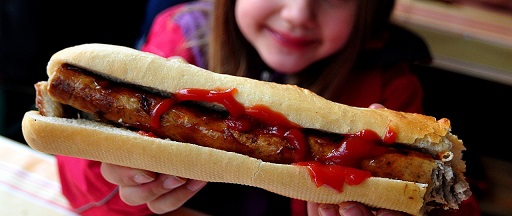
Traditionally, Coburger Bratwurst is served in a crusty white roll (Brötchen) with a dab of mustard – nothing more. The simplicity of presentation lets the sausage shine as the star of the meal.
Common Mistakes to Avoid:
Overmixing the meat: leads to a dense, rubbery texture.
Using too many spices: authentic Coburger Bratwurst is delicate and balanced.
Cooking too fast: slow, even heat ensures a juicy interior and crisp skin.
How to Serve Coburger Bratwurst
Coburger Bratwurst is typically enjoyed as street food or as part of a hearty home-cooked meal. It pairs beautifully with German potato salad, sauerkraut, or red cabbage. At fairs, it’s served simply in a roll – no ketchup, no onions, just a bit of mustard to complement the smoky meat.
For a full Bavarian-style dinner, try pairing your Coburger Bratwurst with:
A mug of Franconian beer, such as Helles or Kellerbier, to round out the flavors
For more inspiration, explore our collection of German Salad Recipes, perfect companions for grilled dishes like this.
Variations & Regional Twists
While the Coburger Bratwurst maintains strict standards within Coburg itself, similar sausages exist across Franconia and beyond. In Nuremberg, smaller and thinner Nürnberger Rostbratwurst are seasoned with marjoram and often grilled in sets of six or twelve. In Thuringia, the Thüringer Rostbratwurst incorporates garlic and caraway, offering a more robust flavor.
Modern home cooks have begun experimenting with Coburger Bratwurst by:
Adding veal for a lighter texture.
Using smoked salt or applewood chips for enhanced aroma.
Incorporating herbs like parsley or chives for a subtle freshness.
However, purists in Coburg maintain that the true version should remain simple, rustic, and minimally seasoned – reflecting the natural richness of pork and the purity of traditional German recipes.
Coburger Bratwurst isn’t just another sausage – it’s a slice of Bavarian heritage wrapped in a natural casing. Its beauty lies in its simplicity: high-quality pork, gentle seasoning, and a time-honored grilling method that transforms basic ingredients into an unforgettable flavor experience.
Whether you’re recreating a memory from a German market or exploring the country’s rich culinary traditions for the first time, making Coburger Bratwurst at home offers a delicious connection to Germany’s cultural roots.
So, light up the grill, gather some good friends, and enjoy the smoky aroma that’s been part of Coburg’s charm for over 500 years.