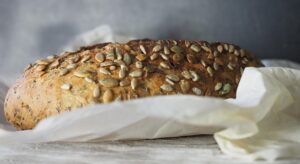
Nutty, hearty, and visually striking, Kürbiskernbrot - or German Pumpkin Seed Bread - is a rustic favorite that brings depth and texture to every bite. With its golden crumb and crunchy green seeds both inside and out, this loaf is as wholesome as it is beautiful. Perfect for sandwiches, soups, or snacking on its own, Kürbiskernbrot is a … [Read more...]
Mohnbrötchen (Poppy Seed Rolls)
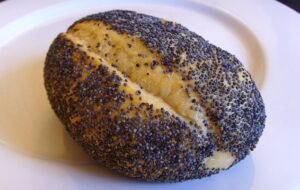
Soft, airy, and crowned with a speckled crunch Mohnbrötchen or German Poppy Seed Rolls are a bakery classic and breakfast must-have across Germany. Whether paired with sweet or savory toppings, these rolls are a textural delight thanks to their crisp crust and pillowy interior. Baked fresh each morning in bakeries throughout the country, … [Read more...]
Sesambrötchen (Sesame Rolls) Recipe
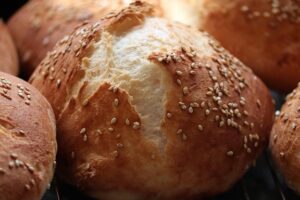
Golden, fluffy, and topped with a delicate crunch Sesambrötchen or German Sesame Rolls are a breakfast favorite throughout Germany. Whether picked up fresh from the local Bäckerei or baked at home, these soft-centered rolls with a crisp sesame-coated crust are a go-to accompaniment for butter, jam, cheese, or meats. They’re not only easy to love … [Read more...]
Mischbrot (Mixed Flour Bread)
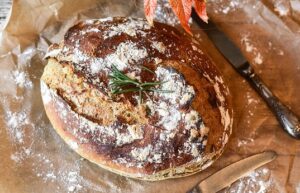
Simple, flavorful, and deeply satisfying Mischbrot or German Mixed Flour Bread is a staple loaf found in nearly every bakery across the country. With a balanced blend of wheat and rye flours, Mischbrot offers the best of both worlds: the lightness of wheat and the earthy depth of rye. Its crisp crust and moist crumb make it ideal for everything … [Read more...]
Zwiebelbrot (Onion Bread) Recipe
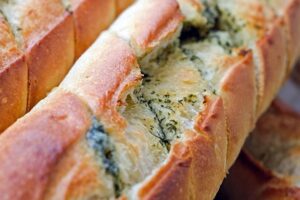
Savory, aromatic, and delightfully chewy Zwiebelbrot or German Onion Bread, brings a comforting twist to classic loaves. Packed with golden caramelized onions and sometimes flecked with herbs or bacon, this rustic bread is perfect for sandwiches, cheese boards, or soaking up soup. With its bold flavor and crisp crust, Zwiebelbrot has carved out … [Read more...]
Krustenbrot (Crusty Bread) Recipe
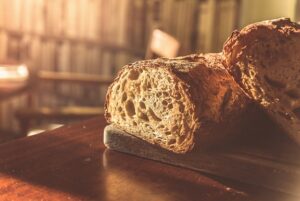
Crackly on the outside, airy on the inside - Krustenbrot, or German Crusty Bread, is a bakery staple across Germany and a dream loaf for crust lovers. Its bold, caramelized exterior seals in flavor and moisture, making every slice a perfect blend of crunch and chew. Krustenbrot is often enjoyed with savory spreads, hearty meats, or a simple dab … [Read more...]
Kartoffelbrot – German Potato Bread Recipe
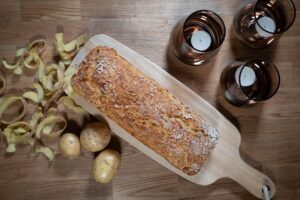
Soft, moist, and subtly sweet, Kartoffelbrot - German Potato Bread - is a delightful twist on traditional loaves. Thanks to the addition of mashed potatoes, this bread boasts a tender crumb and excellent shelf life, making it a favorite in both bakeries and home kitchens across Germany. Kartoffelbrot bridges rustic tradition with comforting … [Read more...]
German Bread: The Heart of Germany’s Baking Culture
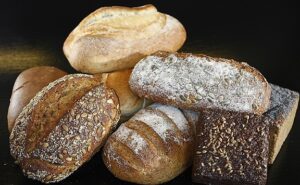
Bread in Germany isn’t just food - it’s a birthright, a ritual, a national obsession. With more than 3,200 officially recognized varieties, Germany proudly holds the title of the most diverse bread culture in the world. Whether you’re biting into a warm, crusty Brötchen at breakfast or savoring a thick slice of dense Pumpernickel at dinner, bread … [Read more...]
Dinkelbrot – Traditional German Spelt Bread Recipe
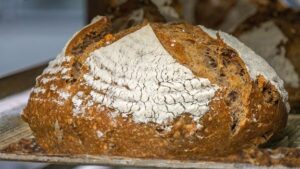
Nutty, wholesome, and wonderfully aromatic, Dinkelbrot - German Spelt Bread - is a traditional favorite making a big comeback in modern kitchens. Made from spelt flour, an ancient grain prized for its rich flavor and nutritional value, Dinkelbrot is lighter than rye but heartier than wheat, with a slightly sweet, nutty note that makes every slice … [Read more...]
Schwarzbrot (Black Bread) Recipe
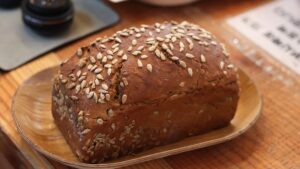
Dark, dense, and undeniably flavorful, Schwarzbrot - German Black Bread - is the bold cousin of rye and whole grain loaves. Packed with fiber, rich in sour tang, and often baked in brick-like loaves, this bread has been a dietary staple in Germany for centuries, particularly in the north. If you're looking for something hearty and deeply … [Read more...]
- « Previous Page
- 1
- …
- 31
- 32
- 33
- 34
- 35
- …
- 163
- Next Page »