German Culture

All about Germany

  • Home
  • Learn German
    • German Language Basics
    • German Grammar & Vocabulary
    • German Learning Tips
    • German Idioms & Expressions
    • German Quizzes & Exercises
  • Articles
    • Famous Germans
    • German Holidays
    • German Cuisine
    • How To In Germany
    • Daily Life in Germany
    • German Facts
    • German Traditions
  • Facts About Germany
  • German History
    • Early History of Germany
    • Middle Ages in German History
    • German Reformation Period
    • 19th Century and German Unification
  • German Recipes
    • German Baking Recipes
    • German Bread Recipes
    • German Christmas Recipes
    • Desserts
    • German Easter Recipes
    • Halloween Recipes
    • Main Dishes
    • German Salad Recipes
    • German Salads
    • Sauerkraut Recipes
  • Travel to Germany
  • Contact

October 19 in German History

October 19, 1813 At 2:00 A.M.

Leipzig1813

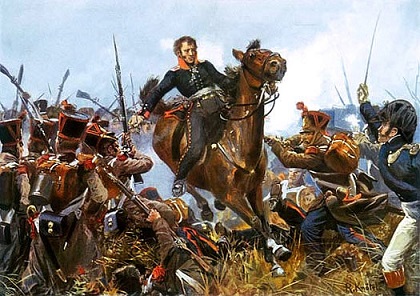
Napoleon begins his retreat from the Battle of Leipzig, which had started on October 16. At that battle Napoleon had about 185,000 troops and the allies against him (Austria, Prussia, Russia and Sweden had a total of about 320,000.) The Austrian army was commanded by General Karl Phillip Schwarzenberg and the Prussian army by General Gebhard Blücher.

October 19, 1845

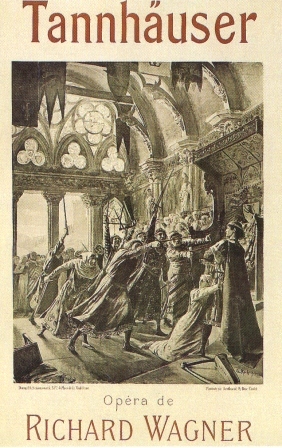
tannhauser

First Performance of Richard Wagner‘s Tannhäuser in Dresden.

Tannhäuser is an 1845 opera in three acts, music and text by Richard Wagner, based on two German legends: Tannhäuser, the legendary medieval German Minnesänger and poet, and the tale of the Wartburg Song Contest. The story centers on the struggle between sacred and profane love, and redemption through love, a theme running through much of Wagner’s mature work.

Wagner made a number of revisions of the opera throughout his life and was still unsatisfied with its format when he died. The most significant revision was made for the opera’s premiere in Paris in 1861; the production there was however a failure, partly for political reasons.

The opera remains a staple of major opera house repertoire in the 21st century.

October 19, 1951

U.S. president Harry Truman signs a formal end to the state of war with Germany.
You might also like:

  • German Classical Music
    The German Influence on Classical Music: Composers…
  • The Franco-Prussian War - The Conflict That United Germany
    The Franco-Prussian War (1870–71)
  • Portrait of King Ludwig II of Bavaria in regal attire, symbolizing his royal status and romantic personality.
    The Real Story Behind Bavaria’s Mad King Ludwig II
  • The Austro-Prussian War (1866) - The Conflict That Reshaped Germany
    The Austro-Prussian War (1866)
  • Napoleon’s Impact on Germany: The Confederation of the Rhine
    The Napoleonic Wars and the Confederation of the Rhine
  • Frederick the Great of Prussia: Warrior and Reformer
    Frederick the Great of Prussia
  • Lost German Kingdoms
    Lost German Kingdoms: Forgotten States and Their…
  • Prussia Before Germany: The Military State That Shaped a Nation
    Prussia Before Germany: The Military State That…

Recent Posts

Are German stereotypes true?

German Stereotypes: What’s True and What’s Not

German work culture has many strength

German Work Culture: What Makes It So Different?

Why is German culture so efficient

Why Is German Culture So Efficient? The Secrets Behind It

Modern Germany is one of the most diverse countries in Europe.

What Do Germans Think of Foreigners? The Truth Explained

Foundation of German Culture

German Values and Beliefs: What Shapes Daily Life

German friendliness just looks different.

Are Germans Friendly or Rude? Breaking the Stereotype

Why Germans value rules so highly

Why Do Germans Love Rules? Ordnung Explained

Examples of German Directness

Why Are Germans So Direct? Understanding Blunt Communication

Copyright © 2026 · German Culture

Go to mobile version