Why Do Germans Eat So Much Bread? Bread Culture Explained
Walk into a German Bäckerei on a Saturday morning and you’ll understand the obsession within about ten seconds. The line stretches out the door. The glass case holds two dozen kinds of bread, each with a name you’ve never heard and a texture you can’t quite guess from looking at it. Someone in front of you orders “ein halbes Schwarzbrot und drei Brötchen” like it’s the most normal request in the world, and to them, it is. This happens every single morning, in every town, in every region of the country. So why do Germans eat so much bread, and why does it matter so much more here than it does almost anywhere else in Europe?
The short answer involves history, geography, and a genuine cultural pride that borders on national identity. The longer answer is a lot more interesting.
Germany Has More Bread Varieties Than Anywhere Else on Earth
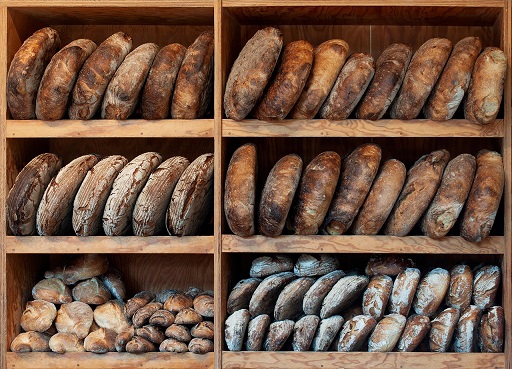
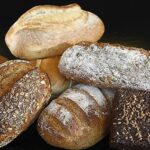
Germany’s bread culture isn’t just enthusiastic – it’s officially recognized. UNESCO added German bread culture to its list of Intangible Cultural Heritage in 2014, citing the sheer diversity of the craft. Depending on who’s counting and how regional variations get classified, Germany has somewhere north of 3,200 registered bread varieties, more than any other country in the world.
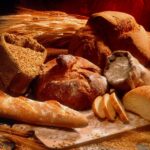
That number isn’t a marketing exaggeration. Regional bakeries guard specific recipes that might only exist in a handful of towns – a particular rye mix from the Black Forest, a specific seed blend from a bakery in Westphalia that’s been in the same family for four generations. This is a country where bread isn’t a side dish. It’s closer to a craft tradition, with actual apprenticeships, guild-style training, and bakers who take real pride in a good crust.
The Rye Factor: Why German Bread Tastes Different
If you’ve eaten German bread and noticed it tastes noticeably different from a French baguette or American sandwich loaf, that’s not your imagination. A huge amount of German bread is made partly or entirely from rye flour rather than wheat, which is where terms like Roggenbrot (rye bread) and Vollkornbrot (whole grain bread) come from.
Rye grows well in Germany’s cooler climate and less fertile northern and eastern soils, which made it the practical grain of choice for centuries, particularly in regions where wheat struggled. Rye bread is denser, darker, and tangier than wheat bread, often made with a sourdough starter (Sauerteig) rather than commercial yeast, which adds both flavor and a longer shelf life – genuinely useful in an era before refrigeration, when a loaf needed to last a family through the week.
Southern Germany, particularly Bavaria, tends to favor slightly different styles than the north – wheat and rye blends, softer pretzel-adjacent rolls, and a general preference for lighter textures compared to the dense, dark Schwarzbrot more common in northern and eastern regions.
Bread as a Daily Ritual, Not Just a Food
Part of what makes German bread culture so deep-rooted is how thoroughly it’s built into the daily schedule, not just treated as an occasional purchase.
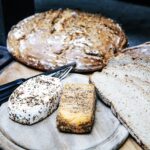
The typical German day involves bread at multiple points. Breakfast (Frühstück) usually includes bread or rolls with butter, cheese, cold cuts, or jam. Then there’s Abendbrot – literally “evening bread” – a term Germans use for a light dinner, because for a huge number of households, dinner actually is bread: an assortment of cold cuts, cheese, pickles, and a good loaf, rather than a hot cooked meal. This alone tells you something about how central bread is to German food culture – an entire meal of the day is named after it.
Bakeries reflect this rhythm. Most German towns still have neighborhood bakeries that open early, often by 6 or 6:30 a.m., because people genuinely stop by before work for fresh Brötchen (bread rolls). Sunday mornings are a particularly serious ritual – many families have a standing habit of sending someone out first thing to grab fresh rolls before the rest of the household wakes up, since bakeries are often among the only shops open on a German Sunday, when most other stores are closed by law.
The Brötchen Question: A Small Roll With Big Regional Identity
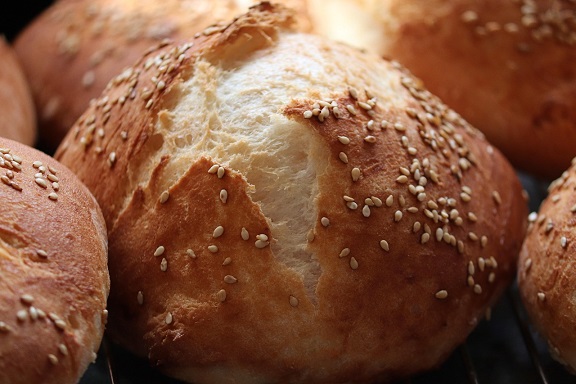
If there’s one thing that reveals just how seriously Germans take bread, it’s the sheer number of regional names for the same basic bread roll. What’s called a Brötchen in most of the country becomes a Semmel in Bavaria, a Schrippe in Berlin, and a Rundstück in parts of the north. These aren’t just dialect quirks – ask for the “wrong” name in the wrong region and you might get a good-natured correction from the person behind the counter, who takes a certain pride in their local term.
This kind of regional specificity extends beyond names into the rolls themselves – slightly different textures, crust thickness, and even shape depending on where you are, all of which locals can usually identify without much effort.
A Practical Guide to Ordering Bread Like a Local
For visitors trying to navigate a German bakery without feeling completely lost, a few basics go a long way:
Bread is usually sold by weight or by the half-loaf (ein halbes Brot), not pre-sliced in the American sense, though most bakeries will slice it for you on request using an in-store slicing machine.
Asking for a recommendation is completely normal – bakery staff are used to explaining the difference between a Vollkornbrot and a Mischbrot (mixed wheat-rye bread) to someone who’s clearly new to the lineup.
Arrive early for the best selection, especially on weekends. Popular bakeries can sell out of specific varieties by mid-morning.
Bread doesn’t come with much added sugar or preservatives the way some mass-produced loaves elsewhere do, which is part of why it tends to go stale faster – buying smaller amounts more frequently is the norm, not a large loaf meant to last two weeks.
Why This Culture Has Survived Modernization
It would be reasonable to expect bread culture like this to fade under the pressure of supermarkets, prepackaged food, and busier modern schedules, but it largely hasn’t. Independent bakeries still compete successfully against large chains in most German towns, partly because quality genuinely differs and Germans notice, and partly because the daily bakery visit is woven into a broader cultural rhythm that hasn’t disappeared the way it has in a lot of other countries.
Younger Germans in bigger cities have shifted some habits – more coffee-shop breakfasts, more convenience options – but even there, a good local bakery with a loyal customer base tends to survive, and bread itself remains a near-universal daily staple across generations, whatever else has changed around it.
What Bread Says About German Food Culture
There’s something telling about a country that named a meal after bread, protects thousands of regional bread varieties, and turns a Sunday morning bakery run into a small family ritual. It’s not really about the bread itself – it’s about craftsmanship, regional identity, and a daily habit that’s stayed remarkably consistent across generations, even as everything else around it has modernized. Next time a loaf of dense, dark Schwarzbrot ends up on the table, it’s worth remembering there’s a few centuries of practical history – and a fair amount of regional pride – baked into it.
FAQ
Why is German bread so much darker than bread in other countries? Much of it is made with rye flour rather than wheat, which produces a denser, darker loaf. Rye grows well in Germany’s climate and has been the practical grain of choice for centuries.
What is Abendbrot? Literally “evening bread,” it refers to a light, cold dinner of bread, cold cuts, cheese, and pickles – a genuinely common alternative to a hot cooked meal in many German households.
How many types of bread does Germany actually have? Germany has more than 3,200 registered bread varieties, the most of any country, which is part of why UNESCO recognized German bread culture as Intangible Cultural Heritage in 2014.
Why do Germans call the same bread roll different names? Regional dialects have produced distinct terms – Brötchen, Semmel, Schrippe, Rundstück – for what’s essentially the same type of roll, each tied closely to local identity.