German Dumplings: Klöße, Knödel, Spätzle and Maultaschen
German cooks have a remarkable habit. Give them potatoes, stale bread, flour, or eggs, and sooner or later they’ll shape it into something that can be dropped into simmering water. The results come in dozens of forms, with names that change from one region to the next, and a menu that lists “Klöße” in one town and “Knödel” in another can leave a visitor wondering whether it’s the same thing.
This guide sorts them out. Start with what the dumpling is made of, and you’ll find its name, its home region, and what to eat it with.
Quick Finder: What’s It Made Of?
Made of
Name
Home turf
Usually served with
Raw and cooked potatoes
Kartoffelklöße, Thüringer Klöße
Thuringia and central Germany
Roast meat, rich gravy, red cabbage
Potato dough, finger-shaped
Schupfnudeln
Southern Germany
Sauerkraut, or fried in butter
Stale bread rolls
Semmelknödel, Serviettenknödel
Bavaria, Austria, Bohemia
Mushroom sauce, pork roast, cabbage
Batter scraped into water
Spätzle
Swabia, Allgäu
Cheese and fried onions, or with gravy dishes
Filled pasta dough
Maultaschen
Swabia
In broth, or pan-fried
Yeast dough, steamed
Dampfnudeln
Palatinate, Bavaria
Vanilla sauce, or savory broth
Semolina or liver
Grießklößchen, Leberknödel
Across Germany and Austria
In soup
First Question: Klöße or Knödel?
Short answer: they’re the same idea with two names. Kloß (plural Klöße) is the word used in northern and western Germany, and it comes from an Old High German word meaning “lump” or “ball.” Knödel is the term in the south and east, and in Austria. Plenty of people use both depending on the dish, and some use only the word they grew up with. Don’t worry about which one is “correct.” On a restaurant menu, you can usually take both to mean a ball of dough cooked in water.
The Potato Family
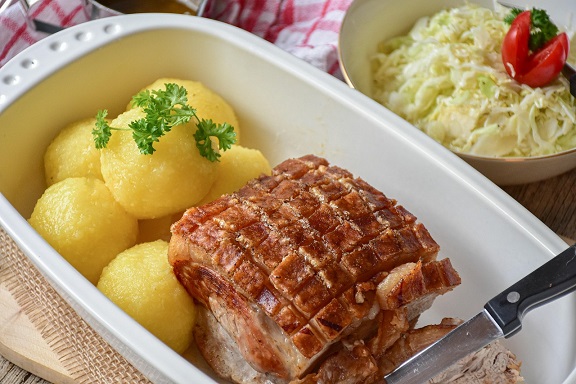
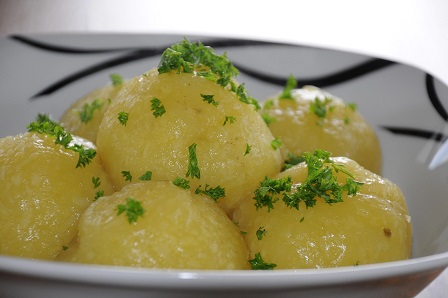
Kartoffelklöße. Potato dumplings are the classic Sunday side dish. They can be made from cooked potatoes, raw ones, or a mixture, and when a recipe says halb und halb (“half and half”), it means equal parts raw and cooked potatoes. The raw ones are peeled, grated, and wrung out in a cloth so the dough doesn’t turn soggy.
Thüringer Klöße. The most famous regional variant comes from Thuringia, where the mix of raw and boiled potatoes is formed into a ball with a filling of toasted bread cubes or sometimes ham in the center. They’re a staple in many of the region’s traditional restaurants, and they’re served with gravy-rich dishes.
Schupfnudeln. Not a dumpling in the strict sense, but a close cousin: finger-shaped noodles made from potato dough, similar to Italian gnocchi, common in southern Germany. They’re usually pan-fried in butter and served with sauerkraut or as a side.
The Bread Family
Bread dumplings are a lesson in not wasting food.
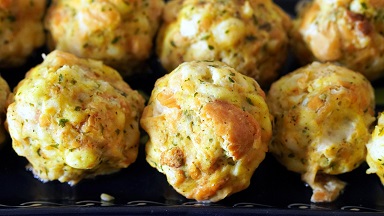
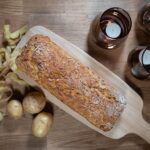
Semmelknödel are made from dried white bread rolls (Semmeln) soaked in milk and bound with eggs. They’re a classic side for meat dishes and are often served with sauerkraut, red cabbage, or a creamy mushroom sauce.
Serviettenknödel (“napkin dumplings”) are the same dough, shaped into a roll, wrapped in a cloth napkin, and steamed or simmered. They’re then sliced, which makes them firmer and easy to portion.
Speckknödel add bacon to the mix. Bavarian, Austrian, and Bohemian cooks have a long tradition of these, and variants appear across Central Europe. Jewish cooks in the region developed a version made from matzo meal, which is where the matzo ball comes from.
Dumplings in Soup
Small dumplings turn a clear broth into a meal. Leberknödel (liver dumplings) float in beef stock, and Grießklößchen, made from semolina, egg, and butter, are called Grießnockerl in Austria. They’re a traditional starter on Sundays and holidays.
Spätzle: Little Sparrows
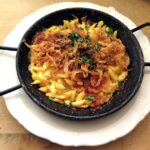
Spätzle are often described as an egg noodle, though they’re closer to a dumpling in how they’re made. A thin dough, made from flour, eggs, and water or milk, is scraped or pressed directly into boiling water, where it forms irregular little strands. The name is the Swabian and Alsatian diminutive of Spatz (sparrow), so literally “little sparrows.” They’re also known as Knöpfle.
Their best-known form is Käsespätzle, a German answer to macaroni and cheese: layers of Spätzle and melted cheese, topped with crisp fried onions. In Liechtenstein, the same dish is called Käsknöpfle, and it’s considered a national dish. Spätzle are also the traditional side for gravy-heavy dishes like Rouladen and Sauerbraten. In the Allgäu region, you’ll find sweet versions, such as cherry Spätzle in summer and apple Spätzle in autumn. Our recipe for Swabian Käsespätzle is a good place to start.
Maultaschen: The Swabian Pocket
Maultaschenare square pasta pockets, often described as German ravioli, filled with ground meat, onions, spinach, and bread. They come from Swabia in southwestern Germany, and a vegetarian version, filled with onions, leeks, parsley, and bread, is also common. A popular legend says they were invented by monks who wanted to hide meat from God during Lent, which is why the Swabians nicknamed them Herrgottsbscheißerle, roughly “little cheats of the Lord.” It’s a charming story, though the exact origin is unproven.
They’re eaten in two main ways: floating in clear broth, or sliced and pan-fried with onions and egg. Swabian Maultaschen are a protected regional specialty under EU rules, and the town of Freiberg am Neckar is said to hold an annual Maultaschen festival each autumn.
Sweet and Steamed
Dumplings aren’t always savory. Dampfnudeln are yeast-dough dumplings steamed in a covered pan with milk and butter until they develop a golden crust on the bottom. They’re a specialty of the Palatinate and Bavaria, and the earliest written reference is an 1811 Bavarian cookbook. They’re served with vanilla sauce or fruit compote, and sometimes in a savory form with broth. In Austria and Bohemia, you’ll also find fruit-filled dumplings: Marillenknödel (apricot) and plum dumplings, rolled in sugar and buttered breadcrumbs, and Germknödel, a yeast dumpling filled with spiced plum jam and topped with poppy seeds and sugar.
What to Serve With What
Potato Klöße: roast pork or beef, goose, and anything with a good gravy. See our article on Martinsgans, where red cabbage and dumplings are the traditional partners.
Semmelknödel: mushroom cream sauce, pork roast, or sauerkraut.
Spätzle: Rouladen, Sauerbraten, and venison stew, or on their own with cheese.
Maultaschen: broth, or fried with onions and egg, with a green salad.
Dampfnudeln: vanilla sauce, fruit, or in some regions a savory broth.
Tips for Eating and Cooking Dumplings
Ask what comes with the dish. Many German menus offer a choice of side, such as potatoes, Klöße, or Spätzle, and the choice matters.
Check for meat. Traditional Maultaschen and dumplings in soup often contain meat or liver, so ask if you’re vegetarian.
Squeeze the potatoes dry when making Klöße from raw potatoes, or the dough will fall apart.
Simmer gently. Dumplings are poached, not boiled hard, which keeps them from breaking up.
Make extra. Leftover dumplings are often sliced and fried the next day.
What is the difference between Klöße and Knödel? Nothing important. Klöße is the term used in northern and western Germany, and Knödel in the south and in Austria, for dumplings made of potato, bread, or flour.
What are Thüringer Klöße? Large potato dumplings from Thuringia, made from a mix of raw and boiled potatoes, often with a filling of toasted bread cubes.
What are Spätzle? A Swabian egg-based pasta or dumpling made by scraping a thin batter into boiling water. The name means “little sparrows.”
What are Maultaschen? Square pasta pockets from Swabia, filled with meat, onions, spinach, and bread, or a vegetarian version, and served in broth or pan-fried.