Potatoes are one of the most versatile and beloved ingredients in German cuisine. While the potato itself may be simple, German cooks have transformed it into an extraordinary range of dishes that reflect regional history, local ingredients, and everyday eating habits. Traditional German potato dishes are rarely flashy, but they are deeply satisfying, practical, and rooted in centuries of culinary tradition.
Traditional German potato dishes represent sophisticated culinary techniques passed down through generations, regional identities expressed through subtle variations, and the very heart of what makes German cuisine distinctively German.
Salzkartoffeln and Pellkartoffeln: The Foundation of German Potato Cooking
Before exploring elaborate preparations, we must begin with the foundation – simple boiled potatoes that appear at virtually every traditional German meal. These preparations may seem straightforward, but they represent essential techniques and cultural values that underpin all German potato cooking.
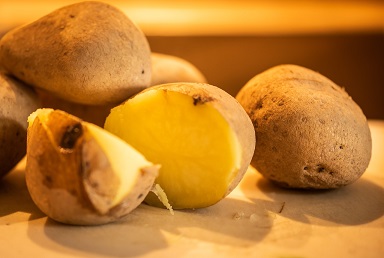
Salzkartoffeln (salt potatoes) are peeled potatoes boiled in salted water until tender. This apparent simplicity conceals considerable skill and cultural specificity. Germans use particular potato varieties for Salzkartoffeln – typically festkochende (firm-cooking/waxy) varieties like Linda, Nicola, or Sieglinde that hold their shape during boiling and offer smooth, creamy texture without becoming mealy or falling apart.
The preparation begins with selecting potatoes of similar size to ensure even cooking. Germans typically peel potatoes before boiling for Salzkartoffeln, though practices vary by region and personal preference. The potatoes are placed in cold salted water – using cold water rather than adding potatoes to boiling water ensures even cooking from exterior to interior. The salt content matters more than many realize; properly salted water should taste pleasantly salty, seasoning the potatoes throughout rather than requiring salt at the table.
Pellkartoffeln (jacket potatoes or potatoes in their skins) follow similar principles but leave the skins on during cooking. The skins protect the potatoes, preventing water absorption and preserving more nutrients. Pellkartoffeln require scrubbing but not peeling before cooking, making them somewhat easier to prepare. After cooking and draining, the potatoes are served either with skins on for diners to peel themselves, or the cook peels them while still hot – a task requiring either quick fingers or a kitchen towel to protect hands from heat.
Regional variations exist even in these simple preparations. Northern Germans might prefer their boiled potatoes slightly firmer, while Bavarians sometimes cook them slightly softer. Some regions favor adding caraway seeds to the cooking water, while others consider this heretical. These subtle differences create the kind of gentle regional pride that characterizes much of German food culture.
Kartoffelpüree: The Art of German Mashed Potatoes
Mashed potatoes might seem universal, but German Kartoffelpüree (also called Stampfkartoffeln in some regions) follows particular traditions and techniques that distinguish it from American or British versions. This preparation appears frequently in home cooking, restaurants, and institutional dining, serving as comfort food par excellence.
The foundation of excellent Kartoffelpüree lies in potato selection. Germans prefer mehligkochende (floury/mealy) varieties like Agria, Aula, or Granola for mashing. These potatoes have higher starch content and lower moisture than waxy varieties, creating lighter, fluffier mashed potatoes that absorb butter and milk beautifully without becoming gluey or sticky.
Traditional preparation begins with boiling unpeeled potatoes until very tender – cooking them in their skins prevents water absorption that would dilute flavor and make the final püree watery. The potatoes are drained, then peeled while still hot. This hot peeling, though challenging, ensures the potatoes remain warm for mashing and don’t absorb excess moisture.
The actual mashing requires attention to technique. Traditional German cooks use a potato ricer (Kartoffelpresse) or food mill rather than a masher or electric mixer. These tools create uniformly smooth texture without overworking the potatoes, which would activate excessive starch and create gluey consistency. The riced potatoes are returned to the warm pot, where butter and hot milk are incorporated.
The proportions matter: traditional Kartoffelpüree is relatively rich, using substantial butter and enough milk to create smooth, creamy consistency without being soupy. Some cooks add a pinch of nutmeg—this subtle spice enhances potato flavor without being identifiable as a distinct taste. Salt and white pepper season the püree, with white pepper preferred over black to maintain the püree’s pale color.
Regional variations create distinctive versions. Himmel und Erde (Heaven and Earth), a Rhineland specialty, combines mashed potatoes with apple sauce and is traditionally served with blood sausage and fried onions. The name refers to apples growing in heaven (on trees) and potatoes growing in earth (underground). This sweet-savory combination exemplifies German willingness to combine flavors that might seem incongruous but work beautifully together.
Abernmauke, a Saxon variation, incorporates bacon fat and crispy bacon pieces into the mashed potatoes, creating a rich, savory preparation. Some versions add sautéed onions as well. This hearty preparation reflects the substantial, flavor-forward approach characteristic of Saxon cuisine.
Bratkartoffeln: The Perfect Fried Potatoes
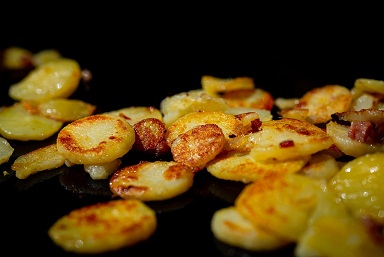
Bratkartoffeln (fried potatoes) represent one of Germany’s most beloved potato dishes – crispy, golden slices or cubes of potato, often combined with onions and bacon, creating a preparation that appears at breakfast, lunch, and dinner tables across the country. While seemingly simple, excellent Bratkartoffeln require specific techniques and understanding of how potatoes behave during frying.
The foundation of great Bratkartoffeln lies in using previously cooked potatoes. Fresh raw potatoes can be fried, but traditional Bratkartoffeln use boiled potatoes that have been cooked the previous day and allowed to cool completely in the refrigerator. This cooling process causes the starches to retrograde – they firm up and become less likely to stick to the pan or fall apart during frying. Ideally, festkochende (waxy) potatoes are used, as they hold their shape better than floury varieties.
The cooled potatoes are sliced into rounds about 1/4 inch thick or cut into cubes, depending on regional preference. Northern Germans typically slice their Bratkartoffeln, while Bavarians more often cube them. This seemingly minor difference can inspire surprising regional loyalty and debate about which form is “proper.”
Seasoning happens late in the cooking process. Salt added too early draws moisture from the potatoes, preventing proper crisping. Caraway seeds appear in some regional versions, particularly in the Rhineland and parts of Bavaria. Fresh parsley or chives garnish the finished dish, adding color and fresh herb flavor.
Bauernfrühstück (farmer’s breakfast) represents a popular variation where Bratkartoffeln are combined with scrambled eggs, creating a hearty one-pan meal. The fried potatoes and onions are prepared as usual, then beaten eggs are poured over them and stirred until just set. Sometimes diced ham, bacon, or sausage is added. This satisfying dish appears on German breakfast and brunch menus everywhere, embodying the substantial, savory German approach to morning meals.
Kartoffelklöße: The Dumpling Art
Kartoffelklöße (Potato dumplings) represent one of German cooking’s most sophisticated techniques, requiring skill, patience, and understanding of how different potato preparations interact to create perfect texture. These substantial dumplings appear throughout German regions, with each area claiming their version is the most authentic and superior – debates that continue to inspire passionate discussion at German dinner tables.
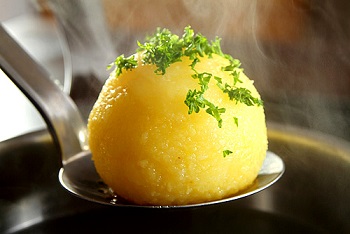
Thuringian Kartoffelklöße (Thüringer Klöße) represent perhaps the most celebrated version, holding protected regional designation status. These dumplings combine raw and cooked potatoes in carefully calibrated ratios – typically one-third raw grated potato to two-thirds cooked mashed potato.
The preparation begins with cooking floury potatoes until tender, then mashing them while still warm. Separately, raw potatoes are peeled and finely grated. The grated raw potato releases starch and liquid, which must be carefully managed. The liquid is squeezed from the grated potato, then allowed to settle so the potato starch can sink to the bottom.
The cooked and raw potato mixtures are combined with the reserved starch, salt, and sometimes a small amount of potato starch or flour if needed for binding. The mixture must have the right consistency – firm enough to hold together but not so dry that the dumplings become dense. Many cooks test the mixture by forming a small dumpling and cooking it; if it holds together properly, the mixture is correct. If it falls apart, more binding starch is needed. If it’s too dense, a small amount of the reserved potato liquid can be added.
The dumplings are formed into spheres about the size of tennis balls. Many cooks include a bread cube soaked in butter at the center – this Seele (soul) provides a delicious surprise when cutting into the dumpling and helps ensure even cooking.
Properly made Kartoffelklöße should be tender and slightly springy, with a delicate texture that absorbs sauce beautifully while maintaining structure. They traditionally accompany roasted meats, particularly game and poultry, with rich gravies. The dumplings soak up these sauces, providing textural and flavor contrast to the meat.
Bavarian Semmelknödel, while technically bread dumplings, often include potatoes and represent another beloved dumpling tradition. These use a base of stale bread or rolls soaked in milk, combined with mashed potatoes, eggs, and parsley, then formed into dumplings and cooked similarly to Kartoffelklöße. They’re particularly popular in southern Germany and Austria.
Silesian Kartoffelklöße use a different technique, creating dumplings entirely from raw grated potatoes. The preparation requires careful starch management and produces dumplings with a more translucent, elastic texture than the Thuringian version. These are often filled with breadcrumbs toasted in butter or with fruit for sweet variations.
Kartoffelsalat: Regional Variations on a National Favorite
Kartoffelsalat (potato salad) appears at German gatherings year-round, from summer barbecues to Christmas Eve dinners. However, describing a single “German potato salad” is impossible – regional variations create dramatically different preparations, each claiming authenticity and inspiring fierce loyalty from their adherents. Understanding these variations reveals how regional identity expresses itself through subtle culinary differences.
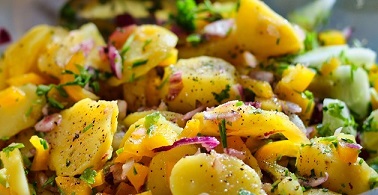
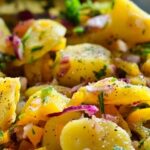
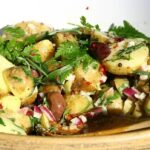
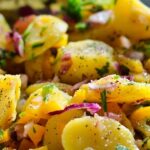
Southern German Potato Salad (particularly Swabian and Bavarian versions) uses a warm vinegar and oil dressing rather than mayonnaise. This creates a lighter, tangier salad that pairs perfectly with sausages and schnitzels. The preparation begins with cooking waxy potatoes until just tender – overcooking creates mushy salad, so careful timing is essential. The potatoes are peeled while still warm and sliced about 1/4 inch thick.
While the potatoes are still warm, they’re dressed with a mixture of heated beef broth, vinegar, oil, mustard, and seasonings. The warm potatoes absorb this dressing, creating intensely flavored salad rather than potatoes merely coated with dressing. Finely diced onions are mixed in, sometimes raw, sometimes lightly sautéed depending on preference. The salad is allowed to rest for at least an hour, ideally longer, allowing flavors to meld. It’s served warm or at room temperature, never cold.
Northern German Potato Salad takes an entirely different approach, using mayonnaise as the dressing base. The preparation begins similarly with cooked waxy potatoes, but these are cooled completely before dressing. The mayonnaise dressing includes finely diced pickles or gherkins, chopped hard-boiled eggs, and sometimes diced apples, creating a creamy, tangy, slightly sweet salad.
Berlin Potato Salad represents another distinct tradition, sometimes using mayonnaise, sometimes using a lighter vinaigrette, but almost always including sliced frankfurter sausages mixed in. This creates a complete meal rather than a side dish, reflecting Berlin’s working-class culinary traditions where substantial, economical dishes were prized.
Rhineland variations sometimes include bacon, apples, and a sweet-sour dressing that balances vinegar with sugar. The apples add textural contrast and fresh sweetness that complements the savory potatoes and bacon.
Regional pride around Kartoffelsalat creates genuine debate. Germans from the south often find northern mayonnaise-based versions too heavy and rich, while northerners consider southern vinegar-based salads too austere and acidic. These preferences develop early and remain strong – changing someone’s potato salad allegiance is nearly impossible.
Kartoffelpuffer and Reibekuchen: Crispy Potato Pancakes
Grated raw potato pancakes appear throughout German-speaking regions under various names – Kartoffelpuffer, Reibekuchen, Reiberdatschi, Grumbeerpannekuche – with each region claiming their version as superior. Despite naming differences, these preparations share fundamental characteristics: grated raw potatoes mixed with binding ingredients, formed into patties, and fried until crispy and golden.
The basic preparation begins with peeling and grating raw potatoes, typically using the coarse side of a box grater or food processor. As the potatoes are grated, they release starch and liquid. Some recipes call for squeezing out excess liquid to prevent soggy pancakes, while others retain some liquid, using the released starch as a natural binder. The grated potato quickly oxidizes and turns brown when exposed to air, so working quickly or adding a small amount of lemon juice prevents this discoloration.
To the grated potato, beaten eggs are added for binding, along with a small amount of flour or potato starch to help hold the mixture together. Finely grated onion is nearly universal, contributing flavor and additional moisture. Salt and pepper season the mixture.
The mixture is formed into patties about 3-4 inches in diameter and roughly 1/2 inch thick. These are fried in abundant hot oil or clarified butter – sufficient fat is crucial for achieving the crispy exterior that defines excellent Kartoffelpuffer. The pancakes are cooked over medium-high heat until deeply golden brown and crispy on the first side, then carefully flipped to brown the second side. They should be crispy on the exterior while remaining tender inside, with the raw potato fully cooked through.
The cultural significance of Kartoffelpuffer extends to seasonal celebrations, particularly Christmas markets where their preparation becomes public performance. Vendors at market stalls grate potatoes, form pancakes, and fry them to order, the sizzling and aroma attracting customers seeking warming comfort food during cold winter evenings. This public preparation connects to street food traditions while maintaining links to home cooking.
Schupfnudeln: Bavarian Potato Noodles
Schupfnudeln represent a distinctive Bavarian and Baden-Württemberg specialty – thick finger-shaped potato noodles that blur the line between pasta and dumpling. These preparations showcase how German regional cuisines developed unique potato dishes that differ dramatically from familiar international potato preparations.
The dough begins with floury potatoes that are cooked, peeled, and mashed while still warm. To this potato base, egg, flour, and salt are added, creating a cohesive dough that’s firm enough to shape but soft enough to remain tender when cooked.
The dough is rolled into long ropes about 1/2 inch thick, then cut into pieces roughly 3 inches long. These pieces are rolled between the palms to create characteristic tapered, finger-like shapes with pointed ends – the name “Schupfnudeln” allegedly comes from the rolling motion (schupfen means to shove or roll in some German dialects).
The formed noodles are cooked in boiling salted water until they float to the surface, indicating they’re done. After draining, they’re typically finished by sautéing in butter until lightly browned and slightly crispy on the outside while remaining tender inside. This two-stage cooking – boiling then frying – creates distinctive texture that sets Schupfnudeln apart from other potato preparations.
These noodles exemplify German regional food pride – locals in areas where Schupfnudeln are traditional consider them essential cultural heritage, teaching preparation techniques to younger generations and serving them at regional festivals and traditional restaurants. The dish has gained broader recognition recently as interest in regional German cuisines has grown, appearing on menus in cities throughout Germany.
The Enduring Appeal of German Potato Traditions
Traditional German potato dishes represent far more than recipes – they embody centuries of culinary evolution, regional identity, resourceful home cooking, and the transformation of a foreign import into beloved national cuisine. From the simplest boiled potatoes to elaborate dumplings requiring hours of skilled preparation, these dishes demonstrate that comfort food can be both accessible and sophisticated, that simple ingredients become extraordinary through technique and tradition.
Understanding these preparations deepens appreciation for German food culture and reveals how deeply potatoes have become integrated into German identity. Each region’s distinctive potato dishes represent local pride and historical continuity, connecting contemporary diners to generations of cooks who perfected these techniques and passed them to their children.