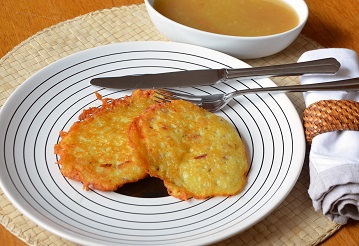
Few traditional German recipes capture the heart of home cooking quite like Reibekuchen. Known in various parts of Germany as Kartoffelpuffer or Reibeplätzchen, these golden, crispy potato pancakes are simple yet irresistible. Whether enjoyed fresh from a Christmas market stall or made at home on a chilly evening, Reibekuchen represents everything people love about German comfort food – rustic, hearty, and full of character.
Made from nothing more than potatoes, onions, eggs, and flour, Reibekuchen proves that simplicity is the soul of great cooking. Each bite is a satisfying contrast between crispy edges and a tender interior, especially when paired with applesauce or sour cream. In this guide, we’ll explore the history of Reibekuchen, learn what makes authentic versions so special, and walk through a step-by-step recipe so you can master them in your own kitchen.
The Origins of Reibekuchen
The story of Reibekuchen is deeply tied to the potato’s arrival in Germany. When this new crop reached Europe from South America in the 17th century, it slowly became a cornerstone of German cuisine. By the 18th and 19th centuries, potatoes were the most reliable food for families across the country, especially among farmers and laborers. From this humble ingredient came one of Germany’s most beloved dishes – the potato pancake.
Early versions of Reibekuchen were a practical, filling way to use up leftover potatoes. They could be made quickly, fried over a wood stove, and eaten hot or cold. Families across the Rhineland, Westphalia, and Bavaria each developed their own local names and variations. In the Rhineland, they are still known as Reibekuchen and remain a beloved street food; in Bavaria, Kartoffelpuffer are softer and often seasoned with nutmeg or marjoram.
Reibekuchen also hold a special place in German festive traditions. During Advent and Christmas markets, their unmistakable aroma fills the air as vendors fry them by the dozen on large iron griddles. Visitors queue for a paper plate stacked with crisp pancakes, a dollop of apple sauce on the side, and the comforting taste of nostalgia. In Cologne, the tradition even has its own holiday, Reibekuchentag, where locals indulge in these golden delights all day long.
Ingredients for Authentic Reibekuchen
Making authentic Reibekuchen at home is wonderfully easy. The key is using the right type of potato and keeping the mixture balanced so the pancakes fry up crisp and golden without falling apart.
Ingredients (makes about 12 pancakes):
1 kg (2.2 lbs) starchy potatoes (Russet or Maris Piper work well)
1 medium onion, finely grated
2 eggs
2-3 tablespoons all-purpose flour or potato starch
1 teaspoon salt
¼ teaspoon freshly ground black pepper
Neutral oil for frying (sunflower or canola oil)
Optional ingredients for extra flavor:
A pinch of nutmeg (traditional in southern Germany)
1 tablespoon grated carrot or parsnip for natural sweetness
2 tablespoons chopped parsley for freshness and color
Special tools:
Grater or food processor
Mixing bowl
Cheesecloth or clean kitchen towel for draining
Large frying pan or skillet
Ingredient notes: Choose starchy potatoes – they have the right amount of natural starch to help the batter hold together and create a crisp exterior. Waxy varieties will stay too soft and won’t brown properly. The onion provides both flavor and moisture, while eggs and flour act as binders. Some cooks prefer potato starch instead of flour for an even lighter, crunchier finish.
How to Make Reibekuchen (Step-by-Step Recipe)
Step 1: Grate the potatoes
Peel and finely grate the potatoes using the coarse side of a box grater or a food processor. Grate the onion as well and mix it in immediately to prevent the potatoes from browning.
Step 2: Drain the mixture
Place the grated mixture into a clean kitchen towel or cheesecloth and squeeze out as much liquid as possible. This step is essential – the less water in your potatoes, the crispier the Reibekuchen will be. Let the liquid stand for a few minutes in a bowl; then pour off the water but keep the white potato starch that settles at the bottom. Stir this starch back into your drained potatoes for extra crispness.
Step 3: Combine ingredients
In a large mixing bowl, combine the grated potatoes and onion with eggs, flour, salt, and pepper. Mix thoroughly until well blended. The batter should be thick enough to hold its shape but not dry. If it seems too wet, add a spoonful of flour.
Step 4: Heat the oil
Pour enough oil into a frying pan to cover the bottom generously (about ½ cm deep). Heat over medium-high until shimmering. The oil should be hot enough for the batter to sizzle on contact but not so hot that it smokes.
Step 5: Fry in batches
Spoon small portions of the mixture into the hot oil, flattening each one gently into a round pancake about 10 cm wide. Fry for 2-3 minutes per side until golden brown and crisp. Avoid crowding the pan so the temperature stays even.
Remove the finished Reibekuchen and drain on paper towels. Keep them warm in a low oven (around 100°C or 200°F) while frying the remaining batches.
Pro Tip: Never skip draining the potatoes – it makes all the difference. And resist the temptation to flip too soon; let each side brown fully before turning.
Step 6: Serve immediately
Reibekuchen taste best straight from the pan, when the outside is still crunchy and the inside soft and fluffy.
Common mistakes to avoid:
Using waxy potatoes – they’ll make the pancakes soggy.
Skipping the draining step – too much moisture ruins the texture.
Overmixing the batter – this can make them dense.
Frying on low heat – they’ll absorb oil instead of crisping.
How to Serve Reibekuchen
Reibekuchen is wonderfully versatile. While traditionally eaten as a savory dish, it’s just as delicious paired with something sweet. In Germany, people tend to fall into two camps: those who prefer them with applesauce and those who insist on savory sides.
Traditional serving options:
Applesauce (Apfelmus): The most classic and beloved pairing. The sweetness of apples perfectly balances the salty, crispy potatoes.
Sour cream or quark: Adds a creamy, tangy note that complements the texture.
Smoked salmon and chives: A more modern variation served at brunch or special occasions.
With sauerkraut or red cabbage: For a hearty, rustic meal.
Reibekuchen also makes a satisfying side dish for sausages or roasted meats.
Beverage pairings: They pair beautifully with a cold Pilsner, a glass of apple cider, or a crisp Riesling. During winter festivals, they’re often enjoyed with Glühwein – Germany’s traditional mulled wine.
Although the basic ingredients stay the same, every region of Germany has its own version of this classic dish.
Rhineland: Known simply as Reibekuchen, these are a local street food favorite. They’re often sold three at a time in a bread roll (“drei im Weggla”) with applesauce.
Bavaria: Called Kartoffelpuffer here, these are softer inside and sometimes seasoned with marjoram or nutmeg.
Saxony and Thuringia: Often mixed with grated apples or carrots for a sweeter, more delicate flavor.
Berlin: A heartier version, sometimes thicker and served alongside meats or cold cuts.
Modern adaptations:
Add a bit of grated sweet potato or zucchini for color and lighter texture.
Use wholegrain flour instead of white flour for a nutty flavor.
Sprinkle the cooked pancakes with chopped chives or dill for a fresh finish.
Despite all these variations, the essence of Reibekuchen remains the same – a golden, crispy tribute to Germany’s love of simple, honest cooking.
Reibekuchen may look humble, but it represents the best of traditional German cooking – resourceful, comforting, and steeped in history. For centuries, these potato pancakes have warmed kitchens and hearts alike, reminding Germans of their roots with every crunchy bite.
Whether served sweet or savory, at a market stall or your own dinner table, Reibekuchen connects generations through a shared taste of tradition. Making them at home is easy, rewarding, and a wonderful way to bring a little piece of Germany into your kitchen.
So, grab your grater, heat the pan, and let the scent of frying potatoes fill your home – just as it has done in countless German kitchens for hundreds of years.