The German Bratwurst, an iconic sausage known for its rich flavors and cultural significance, has been a cornerstone of German cuisine for centuries. From the bustling streets of Berlin to the quaint villages of Bavaria, Bratwurst is a culinary symbol that unites the diverse culinary landscape of Germany. In this article, we delve into the history, varieties, and cooking methods of German Bratwurst, offering a glimpse into this delectable world.
The History of German Bratwurst
Dating back to the Middle Ages, the Bratwurst has evolved through regional influences and historical changes. Each area of Germany boasts its unique twist on this classic sausage. The historical context of Bratwurst is as rich as its taste, with each region’s recipe reflecting local traditions and available ingredients.
Regional Varieties
Germany offers an astounding variety of Bratwurst, each with distinct flavors and ingredients. The Nürnberger Bratwurst, small and flavored with marjoram, is a specialty of Nuremberg. The Thüringer Bratwurst, known for its robust seasoning, is a favorite in Thuringia. Meanwhile, the Franconian Bratwurst, typically coarser and made with fresh marjoram, is popular in Franconia. These regional differences highlight the diversity and adaptability of the Bratwurst.
Cooking and Serving Methods
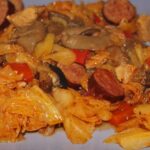
Traditionally, German Bratwurst is grilled or pan-fried to a golden brown, releasing its juicy and savory flavors. It’s often served with sauerkraut, mustard, and a crusty roll or alongside potato salad. During Christmas markets, it’s a staple, enjoyed with a warm mug of Glühwein. Cooking methods may vary, but the essence of Bratwurst, a combination of heartiness and comfort, remains constant.
Pairings and Accompaniments
To fully enjoy a Bratwurst, pairing it with the right condiments and side dishes is key. A classic combination includes Sauerkraut and German mustard, offering a tangy contrast to the sausage’s richness. For beverages, a German Pilsner or a hearty wheat beer complements the meal perfectly, enhancing the overall dining experience.
German Bratwurst is more than just a sausage; it’s a journey through German history and culture. With its regional varieties and versatile cooking methods, Bratwurst is a testament to Germany’s rich culinary heritage. Whether you’re exploring the streets of Germany or cooking at home, indulging in a Bratwurst is a must for anyone seeking a true taste of German tradition.
Ingredients:
1.8 kg 80% lean pork shoulder
0.45 kg veal or beef
2 tablespoons kosher salt
1 tablespoon ground nutmeg
2 teaspoons ground pepper
1 teaspoon ground ginger
1 cup cold milk
2 whole eggs, beaten
1 cup non-fat dry milk powder (as a binder)
Directions:
Trim the pork and beef, cut it all into 2 cm cubes, and grind it twice through the fine plate of your sausage grinder.
Combine the spices in a 1 liter container and mix with the 1 cup of cold milk and the beaten eggs.
Pour the spice, milk, and egg combination into the ground meat and mix thoroughly for at least 2 minutes. Use your hands for mixing to assure even distribution.
Add the milk powder to the mixture and combine it all thoroughly with your hands. At this point you can pass the finished sausage mixture once more through the meat grinder if you so choose.
Once the sausage is fully mixed, stuff it right away into 32-35 mm hog or collagen casings and refrigerate or freeze immediately.
This sausage can be smoked, but that isn’t traditional.
Lightly oil grate. Cook bratwurst on preheated grill for 10 to 14 minutes, turning occasionally to brown evenly. Serve hot off the grill with onions on sauerkraut.