If Christmas in Germany is the crown of the winter season, then Advent is its beating heart – a month-long journey of candlelight, anticipation, fragrance, and ritual. Advent in Germany is not simply a countdown to Christmas; it is its own rich season, full of customs that shape both public and private life. Streets glow earlier each evening. Homes become sanctuaries of warmth. Bakeries transform into temples of cinnamon, cloves, and buttery creations. Churches mark the passing weeks with solemnity and song. Children wake each morning with a sense of wonder, eager to open another small door in their Advent calendar.
Advent, in the German cultural imagination, is the emotional overture to Christmas. It is quieter than the holiday itself, yet more atmospheric. It is defined not by celebration alone but by preparation – spiritual, domestic, culinary, communal. In a country where seasonal transitions carry deep cultural meaning, Advent is the time when Germany collectively leans into winter with purpose.
The Origins of Advent in Germany: A Season Shaped by History
To understand Germany’s Advent traditions, one must first understand how the Advent season emerged and took shape over centuries.
Advent began in early Christianity as a period of fasting and preparation for the feast of Christmas. Its length varied widely before eventually settling into the four-week structure known today. In medieval Germany, Advent carried a dual character: solemnity in church life and growing domestic excitement as winter deepened.
By the late Middle Ages, Advent gained stronger cultural expression. Candles symbolizing divine light were lit as days shortened. Monasteries and households baked bread and sweets to last through winter. Markets in towns like Munich, Cologne, and Dresden evolved into early forms of Christmas markets. These customs slowly merged over time, creating the modern German Advent.
Advent today is both sacred and cultural – a season of quiet reflection, joyous gatherings, and traditions rooted in centuries of German life.
Advent Sundays: Marking Time Through Light
One of the most powerful Advent traditions in Germany is the Adventskranz, the Advent wreath. More than any other symbol, it encapsulates the emotional tone of the season.
The Advent Wreath
The Advent wreath is made of evergreen branches, symbolizing hope and eternal life. It holds four candles, one for each Sunday of Advent. Families gather each week to light a new candle, slowly brightening the wreath as Christmas approaches. Songs are sung, stories are shared, and for many children, this ritual becomes their first lesson in marking time and patience.
The modern Advent wreath traces its roots to 19th-century northern Germany, where a Protestant pastor named Johann Hinrich Wichern introduced a wreath with twenty-four candles to help orphans count the days until Christmas. The simpler four-candle version spread quickly to households of all denominations.
Today, Advent wreaths vary widely – rustic wooden frames, elegant metal circles, or classic evergreen designs – but their meaning remains the same: Advent is a journey from darkness to light.
The Advent Calendar: A German Gift to the World
If one Advent tradition has travelled far beyond Germany’s borders, it is the Advent calendar. But few outside Germany know just how deep the tradition runs.
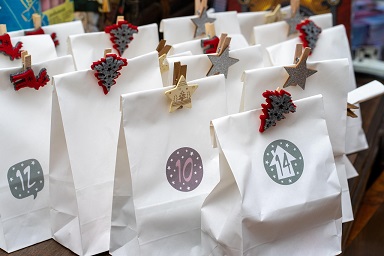
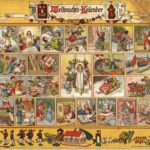
The earliest Advent calendars appeared in the 19th century when German families drew chalk lines on doors or pinned devotional images to walls. By the early 20th century, printed calendars with flaps and illustrations became popular, especially in Protestant regions.
After World War II, the Advent calendar blossomed into a national tradition. Children found chocolate behind the windows. Adults discovered calendars filled with teas, spices, or small surprises. Handmade calendars became treasured family heirlooms.
What makes the Advent calendar so distinctly German is its philosophy: anticipation is part of joy. Advent calendars train children not only to wait but to savour the journey toward Christmas.
Some of the most cherished types include:
hand-sewn felt calendars with tiny pouches
wooden houses with pull-out drawers
calendars filled with regional chocolates
village-wide “living Advent calendars,” where each night a new household opens its decorated window to visitors
The Advent calendar transforms each December day into a tiny celebration.
Advent Baking: Germany’s Sweetest Season
The scent of German Advent is unmistakable: butter warming in ovens, cinnamon mixing with roasted almonds, cloves drifting through kitchens, citrus peel candied and folded into dough. Advent is the baking season of the year, when families return to recipes passed down for generations.
Plätzchen (Christmas Cookies)
German households begin baking Plätzchen in late November or early December. Every family has favorites, often tied to childhood memory:
Butterplätzchen, simple cutout cookies decorated by children
Baking is not merely culinary. It is a ritual of togetherness. Families gather around kitchen tables, telling stories, rolling dough, and filling tins that will be enjoyed throughout Advent.
Stollen
As Advent unfolds, bakeries begin offering their seasonal masterpiece: Stollen. This rich, fruit-filled bread dusted with powdered sugar has roots in medieval fasting traditions. Dresden is world-famous for its Stollen, but nearly every region has its own version – some filled with marzipan, some with dried fruits, some shaped uniquely.
Stollen is traditionally enjoyed during Advent rather than saved exclusively for Christmas. It embodies both festivity and comfort, bridging the gap between scarcity and abundance in winter.
Lebkuchen
In places like Nuremberg, Lebkuchen baking becomes a city-wide art during Advent. These spiced cakes, made with nuts, honey, and exotic spices, reflect Germany’s medieval trade history and the country’s enduring love for aromatic holiday flavors.
Advent baking is a form of edible storytelling – a connection between generations and a celebration of seasonal warmth.
Christmas Markets: The Social Heart of Advent
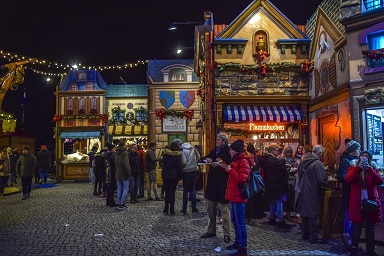
German Advent cannot be understood without its Christmas markets. These markets are not just seasonal events; they are cultural institutions that shape the collective experience of December.
Atmosphere and Origins
Christmas markets – Weihnachtsmärkte – date back to the Middle Ages, when winter markets helped townspeople prepare for the cold months. Over time, these practical gatherings transformed into festive spaces filled with crafts, food, and entertainment.
Today, Germany hosts thousands of markets, each with its own personality: medieval markets lit by torches, cathedral markets that glow beneath Gothic spires, riverside markets framed by winter fog, and village markets where local artisans sell handmade treasures.
The aroma of spices, citrus, and woodsmoke is one of the defining scents of German Advent.
Christmas markets bring people together – neighbors meeting after work, families strolling on weekends, tourists experiencing the magic for the first time. They are communal spaces where Advent becomes visible, audible, and delicious.
Music and Atmosphere: The Soundscape of German Advent
Music shapes Advent as deeply as lights and scents. Germany’s musical heritage shines at this time of year, both in sacred and secular settings.
Church Music
Church concerts during Advent draw audiences of all ages. Choirs perform traditional hymns and classical compositions. Organ music fills medieval churches with solemn warmth. Particularly beloved are Advent vespers, where candlelight and choral harmonies create an atmosphere of quiet reverence.
School and Community Choirs
Children’s choirs rehearse for Advent performances, singing songs that have been part of German cultural memory for generations. These concerts often become small community events, marking the season with a combination of innocence and tradition.
Household Music
Families gather around the Advent wreath to sing songs such as “Es kommt ein Schiff geladen,” “Maria durch ein Dornwald ging,” and “Macht hoch die Tür.” Advent singing is not theatrical. It is intimate, modest, and deeply emotional.
Music carries the soul of Advent, expressing what words alone cannot.
Advent Symbols: Light, Evergreen, and Expectation
German Advent is filled with symbols that reflect themes of hope, waiting, and renewal.
Candles
Candles are the primary symbol of Advent. They represent increasing light during the darkest weeks of the year. In many homes, candlelight replaces electric lights in the evening, creating a warm glow that defines Advent ambience.
Evergreens
Advent wreaths, garlands, and decorated entrances rely on evergreen branches, symbolizing life and resilience through winter.
Stars
Paper stars – often large and illuminated – hang in windows across the country. The Herrnhuter Stern (Moravian star), with its multi-point design, is especially iconic. These stars serve as both religious symbols and cultural ornaments.
Red and Purple
In many churches, purple dominates Advent decor, representing contemplation and preparation. At home, red and green become common colors, blending spiritual themes with folk tradition.
The symbolism of Advent is understated but powerful. It shapes the emotional atmosphere without overwhelming it.
Saint Nicholas and the Advent Rhythm
Saint Nicholas Day, celebrated on 6 December, is one of the highlights of German Advent. Unlike the Santa Claus figure of global pop culture, Saint Nicholas remains strongly tied to charity, humility, and moral guidance.
On the night of 5 December, children place shoes outside their door. Saint Nicholas fills them with nuts, chocolates, or small gifts. In some regions, he appears in person, wearing bishop’s robes, accompanied by a companion figure such as Knecht Ruprecht.
Saint Nicholas anchors Advent in generosity and tradition. The day divides the season into two emotional phases: early anticipation and late preparation.
Advent in German Homes: Family Rituals and Everyday Magic
While Christmas markets are the public face of Advent, the season’s deepest traditions unfold quietly at home.
Families decorate their living spaces gradually, not all at once. Advent calendars hang on walls. Wreaths sit on tables. Cookie tins appear in kitchens. Small wooden pyramids rotate with candle heat. Incense smokers release fragrant spirals of pine and spices.
Many families maintain special Advent traditions:
evening candle-lighting rituals
reading Advent stories aloud
writing Christmas cards
preparing gifts thoughtfully
crafting decorations
planning the Christmas Eve celebration
These rituals are not extravagant. Their power lies in repetition, continuity, and the sense of slowing down. Advent teaches children patience and adults reflection. It transforms the home into a place of refuge from winter’s darkness.
The Final Week: Advent Turns to Christmas
As Advent enters its final days, anticipation intensifies. Schools hold performances, offices host end-of-year gatherings, and families prepare for Christmas Eve.
Traditionally, the Christmas tree is not fully decorated until 24 December. Many households preserve the old custom of keeping the tree hidden until the moment of its unveiling – a magical transformation that marks the end of Advent and the beginning of Christmas.
The final Advent Sunday is filled with a sense of emotional crescendo. Candlelight grows brighter. Carols carry deeper resonance. The season that began with quiet preparation ends with a soft glow of fulfillment.
The Quiet Brilliance of German Advent
German Advent traditions are not loud or flashy. They do not demand attention. They unfold gently, like candlelight spreading across a winter table. And yet, they define the German Christmas experience more profoundly than any other part of the season.
Advent is the month when Germany slows down just enough to feel the passing days, to savor small delights, to reconnect with traditions that have carried families through centuries. It is the perfect blend of quiet anticipation and communal celebration.
To understand Advent in Germany is to understand a culture that cherishes rhythm, memory, craftsmanship, and the emotional poetry of winter. It is a season that remains enduring, magical, and deeply meaningful – a time when the darkness of the year becomes not a burden, but a canvas for light.