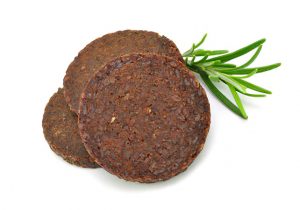
Pumpernickel is a typically heavy, slightly sweet rye bread traditionally made with sourdough starter and coarsely ground rye. It is often made today with a combination of rye flour and whole rye berries. Pumpernickel has been long associated with the Westphalia region of Germany, first referred to in print in 1450. Although it is not known whether … [Read more...]
German baking
Welcome to our German Baking category, where you can explore the rich traditions and mouthwatering flavors of authentic German pastries and breads. Discover recipes, tips, and techniques for creating classic treats like pretzels, stollen, and Black Forest cake. Whether you're a seasoned baker or a novice, our guides will help you bring a taste of Germany into your kitchen with ease. Enjoy the delightful journey through Germany’s diverse baking heritage!
Schneeball – Sweet Pastry from Rothenburg ob der Tauber
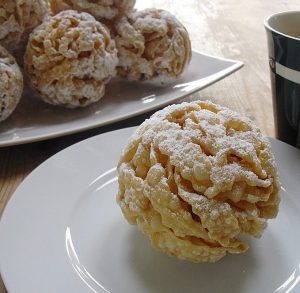
A Schneeball (snowball), is a pastry made from shortcrust pastry and is especially popular in the area of Rothenburg ob der Tauber. Its name derives from its round, ball-like shape, with a diameter of about eight to ten centimeters, and its traditional decoration with white confectioner's sugar. It is also called a Storchennest (stork's nest). This … [Read more...]
Vollkornbrot – German Wholegrain Bread
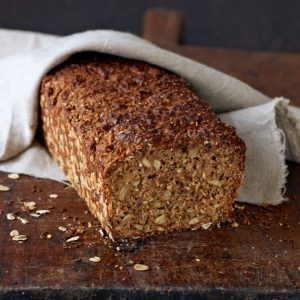
Experience the flavor and texture of Vollkornbrot like fresh from the German bakery! Dense, chewy, packed with nutrition and full of flavor, this German Vollkornbrot is wonderful with your choice of butter, jam, Nutella, cheese, or cold cuts. It features a grain called Einkorn that is used throughout much of western Europe, though you can … [Read more...]
Hutzelbrot – Sweet Winter Bread
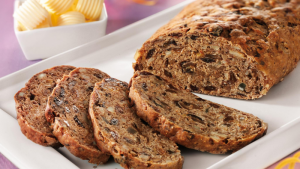
Hutzelbrot is a sweet winter bread treat with loads of dried fruit which keeps very well and tastes delicious on its own or with fresh butter at tea time. These fruit loaves have many names: originally it's called ‘Hutzelbrot’ as it is made of dried pears (‘Hutzeln’), but other regional names as ‘Schnitzbrot’, ‘Kletzenbrot’ or simply … [Read more...]
Franzbrötchen – Sweet Cinnamon Pastry from Hamburg
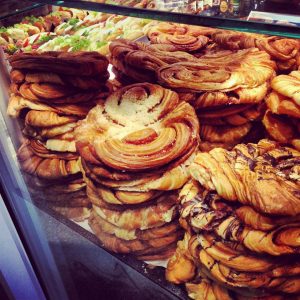
Franzbrötchen is a small, sweet pastry, baked with butter and cinnamon. Sometimes other ingredients are used as well, such as chocolate or raisins. It is a type of pastry commonly found in northern Germany, especially Hamburg, and it is usually served for breakfast, but is also enjoyed along with coffee and cake. As its name indicates, the … [Read more...]
Hazelnut Cake with Cream – Nußkuchen mit Sahne
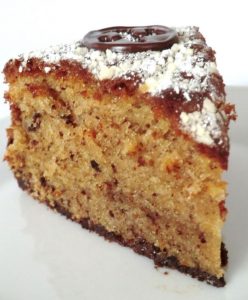
Juicy, moist hazelnut cake is a perfect choice for dessert and extremely easy to make - which is another advantage of this wonderful cake. Ingredients: 200 g butter 200 g sugar 5 eggs 200 g flour 1 sachet backing powder 200 g hazelnuts (grated) 100 g grated chocolate (bittersweet) 200 g (liquid) cream 3 tbsp … [Read more...]
Trümmertorte – Delicious Meringue Rubble Cake
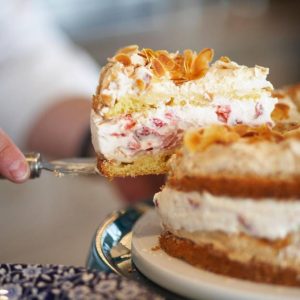
This cake can be baked all year round. If there are no gooseberries, you can use any other fruit like blueberries, strawberries, rhubarb, peaches, apples, raspberries. The cake just needs a fruity filling, otherwise it stays the same and incredibly delicious. Ingredients: 4 eggs 130 g of sugar (for the meringue) 125 g soft butter … [Read more...]
German Brötchen
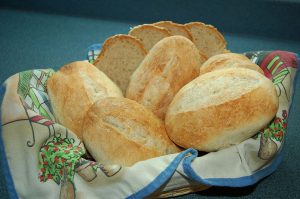
A recipe of wonderful crusty German Brötchen by Marion Jackson, in English and German. Ingredients: 1000 g Mehl / flour 12 g instant Hefe / yeast (3 TL/tsp) 25 g Backmalz / dry malt powder 15 g Salz / salt 635 g warmes Wasser / tepid water Preparation: First mix the instant yeast and the dry malt powder with the flour and put the mixture in a bowl … [Read more...]
Apfelküchle – German Apple Fritters
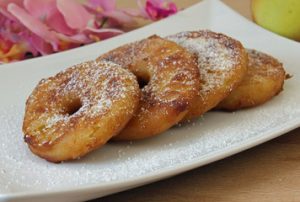
Few things say "comfort food" quite like a warm, cinnamon-scented apple fritter straight from the pan. Apfelküchle, or German apple fritters, are a beloved treat that has been warming hearts and satisfying sweet cravings for generations. Traditionally made with sliced apples dipped in batter and fried to golden perfection, Apfelküchle is often … [Read more...]
Kartoffelbrot – German Potato Bread
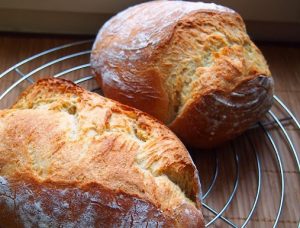
This delicious bread is made from mashed potatoes and flour. The combination may seem a little unusual but the end result is extraordinarily soft and springy bread. Ingredients: 300 g potatoes, peeled, boiled 1 tsp dried fast-action yeast 1 tsp sugar 1 tbsp sunflower oil, plus extra for greasing 1 tsp fine sea salt 300g all-purpose flour, plus … [Read more...]
- « Previous Page
- 1
- 2
- 3
- 4
- 5
- 6
- …
- 9
- Next Page »