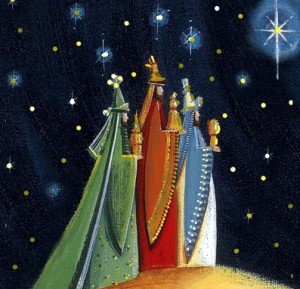
On the morning of 6 January, the sound of children’s voices echoes through many German towns and villages. Dressed in crowns and robes, they carry a shining star and sing carols from door to door. They are the Sternsinger - the “Star Singers” - and they bring blessings, chalk-marked doorways, and the joyful conclusion of the Christmas season. Their … [Read more...]
St. Thomas’ Day in Germany
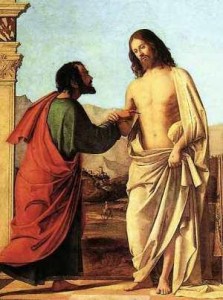
The Day of St. Thomas, celebrated on December 21, is also the day of the winter solstice, the year's longest night and shortest day. St. Thomas is commemorated on this day because he was the last one of the apostles to become convinced of Jesus' resurrection -- he was the one who for the longest time remained in the "night of unbelief and doubt." … [Read more...]
St. Lucia’s Day
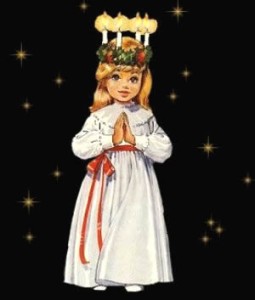
St. Lucia's Day, otherwise called The Festival of Lights, is celebrated on December 13, a week after St. Nikolaus' Day. Lucia became the "Nikolaus of the women". In the early times, St. Nikolaus brought the gifts to the boys only, and St. Lucia visited girls with the gifts a week later. In some areas Lucia became the Christchild with the candle … [Read more...]
St. Nicholas Day in Germany

The patron of all kids Few German holidays blend history, folklore, and family warmth quite like St. Nicholas Day. Celebrated each year on 6 December, it is a tradition that reaches deep into medieval Christian practice, yet lives on today as a beloved childhood ritual across the country. For many German families, St. Nicholas Day is the true … [Read more...]
St. Barbara’s Day in Germany

St. Barbara’s Day, celebrated on 4 December, is one of Germany’s most atmospheric and quietly powerful winter traditions. While it receives less international attention than St. Nicholas Day or Christmas Eve, the customs surrounding St. Barbara remain deeply rooted in German culture, especially within Catholic regions and rural communities. At its … [Read more...]
St. Andreas’ Day
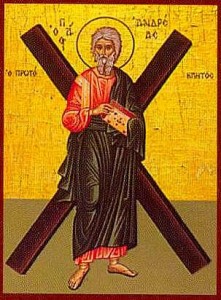
November 30 is dedicated in the evangelical, catholic and orthodox church to the Saint Andreas the Apostle, the brother of Saint Peter. He was one of 12 Apostles accompanying Jesus. He was a witness of the Ascension Day. He was martyred under the Emperor Nero and is remembered on November 30, traditionally considered the date of his martyrdom in 60 … [Read more...]
Christmas Stories

The beauty of Christmas time Winter time in Germany abounds in beautiful pre-Christmas, Christmas, and post-Christmas traditions. It is in December and January that so many Saints are celebrated -- more than during the rest of the year taken together! Pre-Christmas time begins with St. Martin's Day on November 11, then goes on to St. … [Read more...]
Fasching – Carnival in Germany
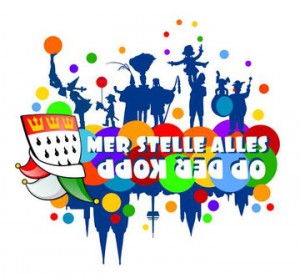
Fasching is the Roman Catholic Shrovetide carnival as celebrated in German-speaking countries. There are many regional differences concerning the name, duration, and activities of the carnival. It is known as Fasching in Bavaria and Austria, Fosnat in Franconia, Fasnet in Swabia, Fastnacht in Mainz and its environs, and Karneval in Cologne and the … [Read more...]
December 8 in German History

December 8, 1672 Death of Johann Christian Baron von Boyneburg in Mainz, Germany. He was a diplomat of the archbishop-elector of Mainz, Philipp von Schönborn. He was a principal negotiator of the League of the Rhine (1658) by which an alliance was struck between several small German states and France to defend against the re-establishment of … [Read more...]
December 7 in German History

December 7, 983 Emperor Otto II of the (later so named) Holy Roman Empire dies. December 7, 1800 Death of Wilhelm Freiherr von Knyphausen in Kassel, Germany. In 1776 as a general with over 40 years of service, Knyphausen was appointed second in command to General Leopold von Heister commanding the Hessian troops fighting with the … [Read more...]
- « Previous Page
- 1
- …
- 154
- 155
- 156
- 157
- 158
- …
- 163
- Next Page »