
Thinking of German food and cuisine as of a mix of Bier+Wurst+Kraut+Knoedel would be an unforgivable simplification of this very fine cultural tradition. What would you say to Forellenmousse, Preiselbeertorte, Bayerischer Wurstsalat, or even Tiramisu! Germans appreciate healthy, well-prepared foods served with care. Everyone who loves to have a … [Read more...]
Black Forest Cake – Schwarzwälder Kirschtorte
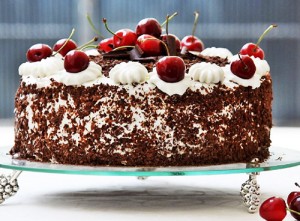
Enjoy this gorgeous cherry-chocolate cake This great-looking Black Forest Cake is originally called Schwarzwälder Kirschtorte. As for me, the name itself is as juicy and delicious as the cake itself! It's not at all difficult to bake, so carefully study the recipe below, put on your sexy apron, and get started! Black Forest Cake … [Read more...]
German Food
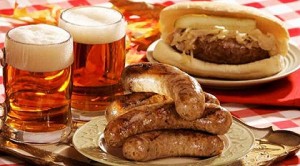
What comes to mind when you think about German cuisine? Right, Sauerkraut and Bratwurst, Black Forest Cherry cake and beer, lots and lots of German beer. However that would be a huge generalization and simplification, because nowadays things have changed towards lighter cooking, reviving of the regional cuisines in Germany. German appreciation of … [Read more...]
How to Taste German Beer

Practical advice on how to get to the bottom of a beer stein without losing a bit of the rich taste of German beer. Difficulty Level: Average Time Required: 20 min Here's How: Choose your favorite kind of beer, or the kind mostly advised by your friend. Open the bottle. While pouring the beer into the glass, listen to the mild sound of … [Read more...]
German Beer – the Absolutely German Drink
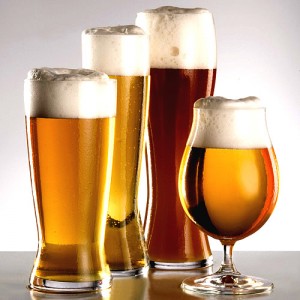
According to a representative survey, beer is a German's favorite drink. 79% of German adults drink beer regularly. 67% of German women and 91% of German men drink beer at least once a month. Germany has over 1,200 breweries, which produce the largest variety of beer styles in the world. The Germans are known to the whole world as a true … [Read more...]
Bombings and air-raids during WWII
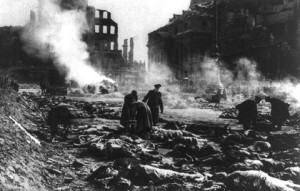
By Dorothea von Schwanenfluegel Lawson I would like to share with you one more episode of my life. Let's fast-forward to Berlin. The year is 1944. Bombings had become the order of the day & so had air raids. In April, our suburb was under attack & bombs were detonating everywhere with earsplitting blasts as if all the houses were going to … [Read more...]
“Aryanization” of Germany in 1933 and mass book burning

By Dorothea von Schwanenfluegel Lawson Here are some behind-the-scene personal experiences from the 1930's that might be of interest. In 1933, our Nazi government appealed to us for a nationwide "non-Aryan" boycott. I experienced the proposed boycott the hard way. One day I went to the local haberdashery I had been frequenting for years, a … [Read more...]
World War Memories
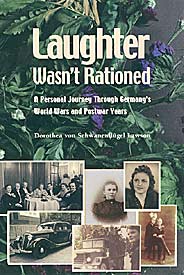
Life in Germany before and after the Versailles Treaty, and Hitler's rise to power By Dorothea von Schwanenfluegel Lawson It is a pleasure to share a few thoughts with the Internet world. You must understand, all this technology is new to me, & frankly at my age, I'm not sure I can keep up with it! You see, I may be a few years older than you, … [Read more...]
Transportation Future
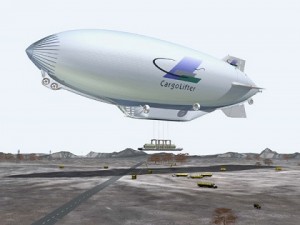
Transportation Means of the Future ... comes from the past! Not far south of Berlin one can see a fantastic-movie picture: a giant building is standing and sparkling in the sun. This is a hangar where CargoLifter AG produces dirigibles, majestic airships that came into life as Zeppelins, named after their inventor, Graf Ferdinand von … [Read more...]
The Death of the Hindenburg
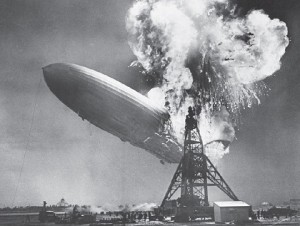
Hindenburg was a masterpiece of zeppelin design. Equipped with four 1200 hp Mercedes Benz engines, having 245 m in length, about 41 m in diameter and almost 212000 cubic meters of gas volume, she still holds the record of the largest airship ever built and flying. She can be truly called the Titanic of the aircraft. Although the Hindenburg is most … [Read more...]
- « Previous Page
- 1
- …
- 139
- 140
- 141
- 142
- 143
- …
- 163
- Next Page »