
By guest author WEISSDORN WEDDINGSFor Real Germans, except for an occassional sentimental Christmas Mass visit, there was no reason to visit the Church, unless the day comes where the Real German woman has decided to round up Mr. Right. The Real German Mr. Right usually does not decide to marry in the Church. If it was left up to him, he would … [Read more...]
Real Germans and Multi-Culturalism

Real Germans and Multiculturalism, Private and Group Discussions By guest author WEISSDORN Multiculturalism Hand-in-hand with the political correctness, real Germans profess a profound interest in almost any culture other than their own. Trendy real Germans worship native cultures and are the first to condemn other Western nations for … [Read more...]
Real Germans and cleanliness, education, Hausordnung, holidays, and Vereine

By guest author WEISSDORN Real Germans are cleanliness fanatics. Usually they can only relax and stop worrying when they use their toilet at home, because then they are absolutely 100% sure that it was cleaned properly, because they did this themselves, after the cleaning lady cleaned it first. The chemical industry profits from this obsession, … [Read more...]
Roast Pork and Sauerkraut Recipe
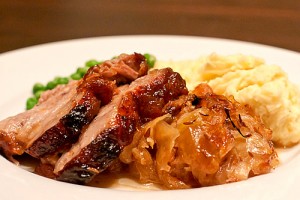
The Comfort Dish That Defines German Cuisine Few meals are as deeply rooted in German culinary tradition as Roast Pork and Sauerkraut. It’s the kind of dish that reminds you of family gatherings, village taverns, and festive Sunday lunches. With its irresistible combination of tender pork, tangy sauerkraut, and savory pan juices, this classic … [Read more...]
Grilled Meats & Vegetables with Baked Potatoes

Ingredients: 4 tablespoons crème fraîche 7 oz. (200g) Quark 4 medium potatoes 2 oz. (60g) German brie-style blue cheese (such as Bonifaz Bavaria blu) 4 small tomatoes 4 garlic cloves 2 small bell peppers 1/2 eggplant 1/2 zucchini squash 4 Bratwurst sausages 4 pork chops (2 oz. each) 2 chicken breasts (4 oz. each) 4 lamb chops (2 oz. … [Read more...]
Kartoffelpuffer (German Potato Pancakes)
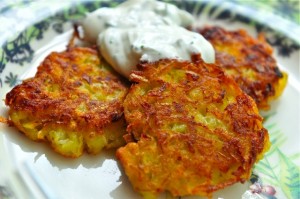
German potato pancakes are a quick and easy vegetarian dish. They are shallow-fried pancakes of grated or shredded potatoes, flour and eggs, often flavored with garlic or onion and seasoning. Potato pancakes may be topped with a variety of toppings, ranging from the savory (such as sour cream or cottage cheese) to the sweet (such as apple sauce or … [Read more...]
Asparagus and Shrimp Salad
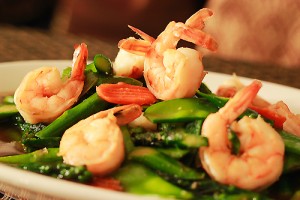
Ingredients: 1/2 kg white asparagus (you can use green) 1 tsp salt 2 tsp sugar 4 - 5 slices of lemon 150 g arugula 400 g kitchen-ready, large shrimp, 20 count to a pound 1 - 2 tbsp. oil 2 tbsp chopped lemon balm leaves plus several for garnish 3 tbsp white balsamic vinegar 1 tsp honey 4 tbsp oil salt and pepper … [Read more...]
German Potato Salad
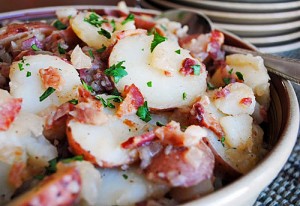
Ingredients: 4 slices bacon 1 small onion, chopped 1/4 cup vinegar 2 tbsp. water 3 tbsp. sugar 1 tsp. salt 3 cups cooked potatoes, chopped ground black pepper parsley Preparation: Place the potatoes into a pot, and fill with enough water to cover. Bring to a boil, and cook for about 10 minutes, or until easily pierced with a fork. Drain, and set … [Read more...]
Sauerkraut Cheese Spätzle
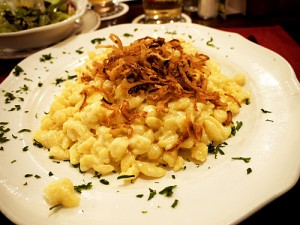
A Bavarian Classic with a Tangy Twist Few dishes capture the heart of German comfort food quite like Sauerkraut Cheese Spätzle. This rich, satisfying dish blends two culinary icons: Germany’s beloved hand-cut egg noodles (Spätzle) and the sharp, probiotic goodness of fermented cabbage (sauerkraut). Warm, cheesy, and full of bold flavor, it’s … [Read more...]
White Asparagus Soup
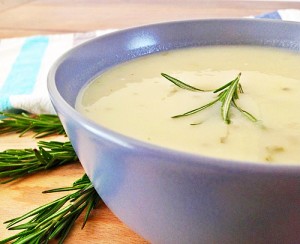
Ingredients: 1/2 cup chopped onion (1 small) 2 tablespoons butter 1 1/2 -2 lbs white asparagus, peeled and cut into 2 inch pieces, heads reserved 6 cups broth, either chicken or vegetable 1/2 cup half and half cream salt and fresh ground pepper, to taste dry white wine, to taste parsley or rosemary, for garnish Directions: Make sure you … [Read more...]
- « Previous Page
- 1
- …
- 90
- 91
- 92
- 93
- 94
- …
- 163
- Next Page »